
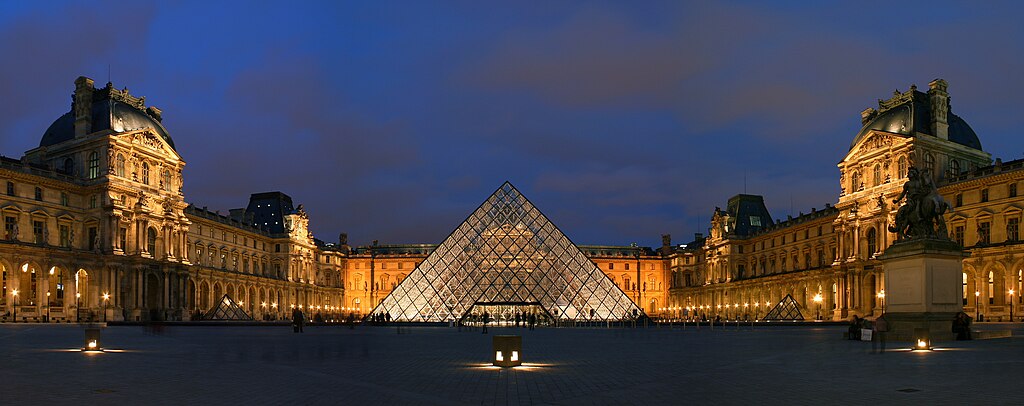
Museum forced to close after four thieves used power tools, a crane, and scooters to make off with priceless gems once worn by French royalty.
A Bold Morning Break-In in Paris

In a scene worthy of a Hollywood thriller, four thieves staged a meticulously planned robbery at the Louvre Museum in Paris on Sunday morning, escaping with royal jewels that once belonged to France’s queens and empresses.
The heist took place around 9:30 a.m. local time, just as the museum was opening to the public, when the group arrived in a truck equipped with a mounted crane lift. Using the lift, they scaled the façade of the Louvre’s historic Galerie d’Apollon, forced open a window, and shattered display cases inside using power tools.
French Interior Minister Laurent Nuñez confirmed to radio station France Inter that the theft was “particularly rapid and brutal.” He said the suspects appeared “experienced” and had clearly scouted the site beforehand.
“I expect we will very soon find the thieves and jewels,” Nuñez said.
Within seven minutes, the robbers threatened nearby guards, smashed their targets, and vanished into the Paris streets on scooters, leaving behind part of their loot and a trail of clues.
The Missing Treasures: Jewels of France’s Former Queens
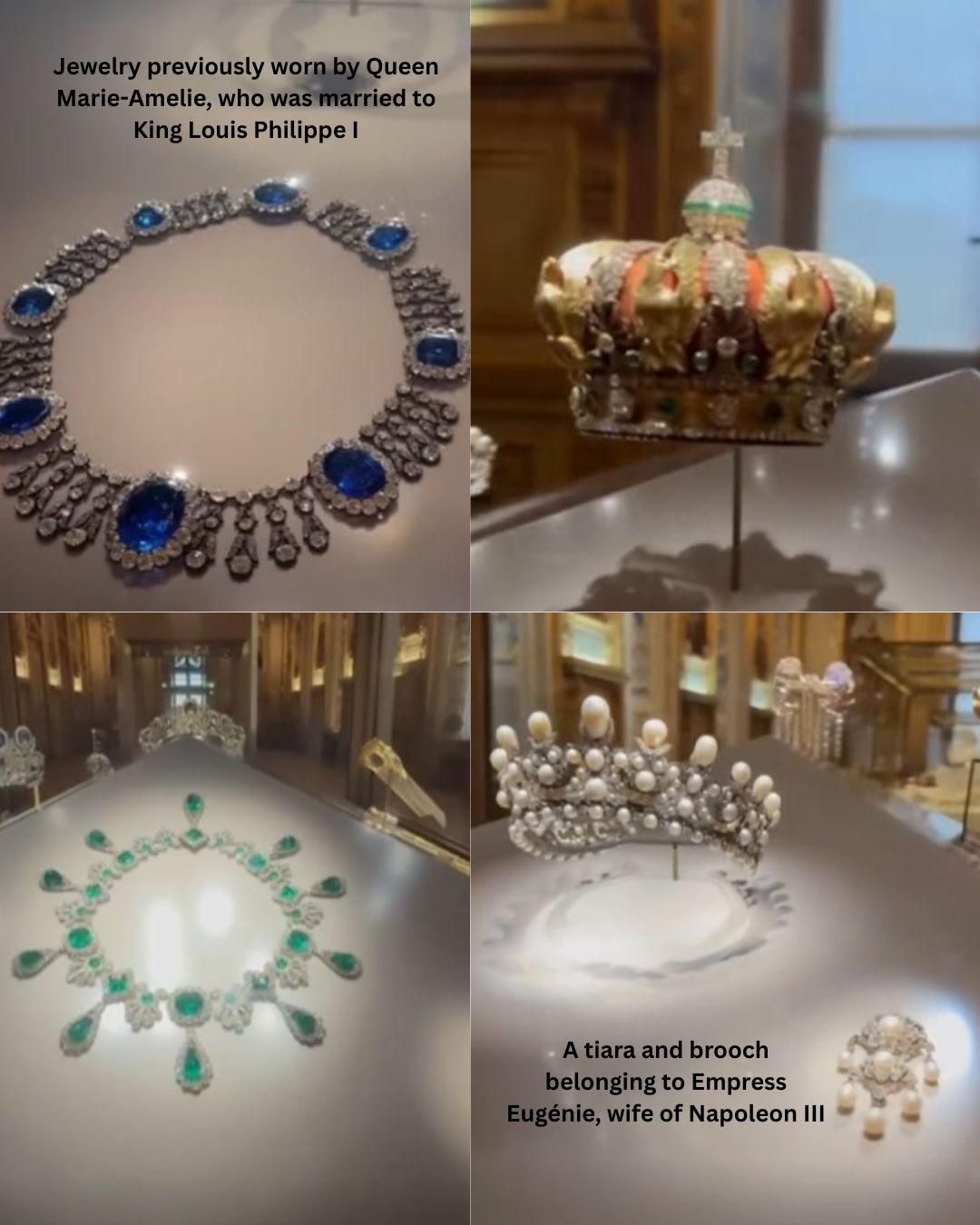
According to the Ministry of Culture, the stolen items include:
- A necklace and earrings from the Marie-Louise collection
- A necklace, earrings, and tiara from the Queen Marie-Amélie and Queen Hortense collection
- A brooch, bodice bow, and tiara from the Empress Eugénie collection
Two of the missing pieces, including Empress Eugénie’s crown, were found near the scene, apparently dropped during the thieves’ hasty escape.
Officials say the full value of the stolen jewels is difficult to estimate, as the collections are considered irreplaceable artifacts of French royal heritage.
Chaos Inside the Galerie d’Apollon
The Louvre’s alarms were triggered both by the exterior window breach and by the targeted display cabinets inside the Galerie d’Apollon, which houses France’s crown jewels and historic diamonds.
Five museum workers were inside or nearby when the alarms went off. The robbers, their faces covered, threatened them before the employees evacuated and immediately contacted police.
The Ministry of Culture said those quick actions likely prevented further damage and loss. “The thieves fled, leaving behind their equipment and some stolen items,” the ministry’s statement read.
Before leaving, the group reportedly attempted to set fire to the crane lift they had used to gain access. A museum worker extinguished the flames before significant damage could occur.
An image taken at the scene shows a furniture elevator propped up against a balcony, surrounded by police as they cordoned off the area.
Culture Minister Rachida Dati confirmed on X (formerly Twitter) that “no injuries were reported.”
Museum Closure and Investigation
The Louvre, one of the world’s most visited museums, was closed for the remainder of Sunday to allow investigators to collect evidence.
Authorities said the closure was necessary “to preserve evidence and clues so that investigators could work undisturbed.”
Video footage shared on social media showed crowds of visitors being ushered out of the museum.
“My first visit to the Louvre Museum ended with not seeing a single artwork,” one user posted on X, alongside a clip of the evacuation.
Police are now analyzing security camera footage from the museum and surrounding streets. Forensic teams have been deployed to recover fingerprints, DNA traces, and digital evidence left behind by the thieves.
The Paris public prosecutor’s office has launched a formal investigation into organized theft and criminal conspiracy.
A Rare Closure for a Global Landmark
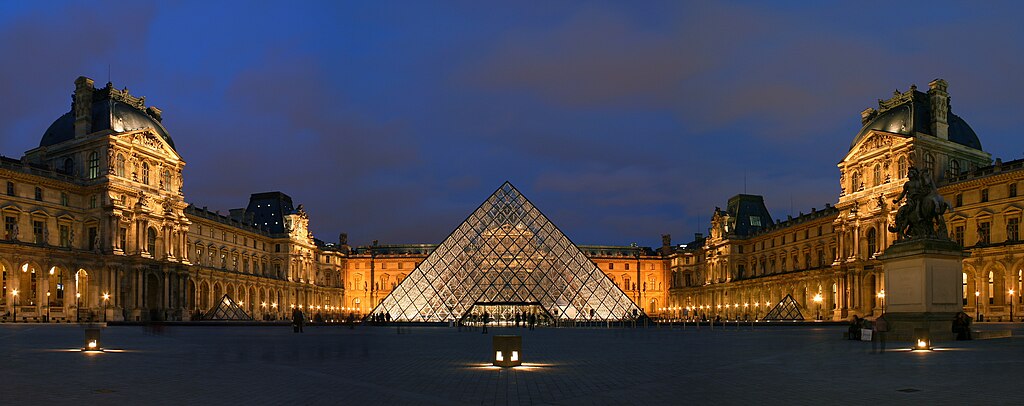
The Louvre, home to over 380,000 artworks, including Leonardo da Vinci’s Mona Lisa, rarely closes its doors. In the past, such closures have occurred only during wartime, the COVID-19 pandemic, or staff strikes.
The Galerie d’Apollon, in particular, is one of the museum’s crown jewels itself, an opulent 17th-century gallery adorned with paintings and gilded sculptures. It once held France’s Crown Jewels, including the Regent Diamond and the Sancy Diamond.
The gallery’s history stretches back to King Louis XIV, who commissioned its design, and it has long symbolized the grandeur of French monarchy.
A Pattern of Cultural Heists
The Louvre theft is the latest in a string of audacious robberies targeting French cultural institutions.
Just a month earlier, burglars broke into the National Museum of Natural History in Paris and stole samples of raw gold worth an estimated $700,000.
In recent years, similar crimes have hit regional museums and private collections across Europe, with thieves exploiting gaps in security and public-access hours.
Cultural theft experts note that such jewels are nearly impossible to sell on the open market, suggesting they may have been stolen for private collectors or black-market resale overseas.
“Even if the stones are reset or the gold melted, their provenance is traceable,” one Paris-based art security consultant told Le Monde. “These pieces are too famous to vanish quietly.”
The Legacy of France’s Crown Jewels
The jewels stolen from the Louvre are more than glittering ornaments, they’re fragments of French history.
Many of the pieces once adorned Empress Eugénie, wife of Napoleon III, known for her extravagant taste and patronage of the arts. Others belonged to Queen Marie-Amélie and Queen Hortense, prominent figures in 19th-century French aristocracy.
After the fall of Napoleon III, much of the French crown jewels were sold off in 1887, though a select few remained in state possession and displayed in the Galerie d’Apollon as national treasures.
Their loss, temporary or not, strikes at the heart of France’s cultural identity.
Security Concerns and Museum Response
Sunday’s robbery has raised questions about security preparedness at the Louvre and other major museums.
Despite advanced alarm systems and constant surveillance, the fact that a group could breach the museum in broad daylight suggests serious vulnerabilities.
The Ministry of Culture acknowledged that an internal review of security protocols is underway.
In an official statement, it said:
“The rapidity and brutality of the operation demonstrate the professional nature of the perpetrators. An internal evaluation will assess all safety procedures currently in place.”
The museum has since increased visible police presence and security checks around entrances and high-value exhibits.
Public Reaction and Social Media Buzz
The news of the heist spread rapidly across social media, with the hashtag #LouvreHeist trending on X and TikTok by Sunday afternoon.
Visitors and art enthusiasts expressed both shock and fascination at the scale of the operation.
“It’s surreal that this could happen in the most secure museum in the world,” one user wrote.
Others compared the event to famous movie heists like Ocean’s Eleven and The Thomas Crown Affair, highlighting how cinematic the details sound, power tools, a crane, and a seven-minute escape.
However, many French citizens expressed frustration, viewing the incident as a national embarrassment and a wake-up call for tighter museum security.
The Road Ahead: Tracking the Thieves
French investigators are now coordinating with Interpol and other European law enforcement agencies to trace the stolen items, which could resurface anywhere from Belgium to Dubai.
While two of the stolen pieces have been recovered, the rest remain missing. Experts say the thieves may attempt to dismantle or re-cut the jewels to disguise their origin, a move that would destroy their historical value. For now, the Louvre remains silent about when the Galerie d’Apollon will reopen to the public.
Watch the Footage of the jewelries before the daring daylight Heist on Paris’ Louvre Museum here:
Featured Image from: Louvre Museum , CC BY-SA 3.0, via Wikimedia Commons