
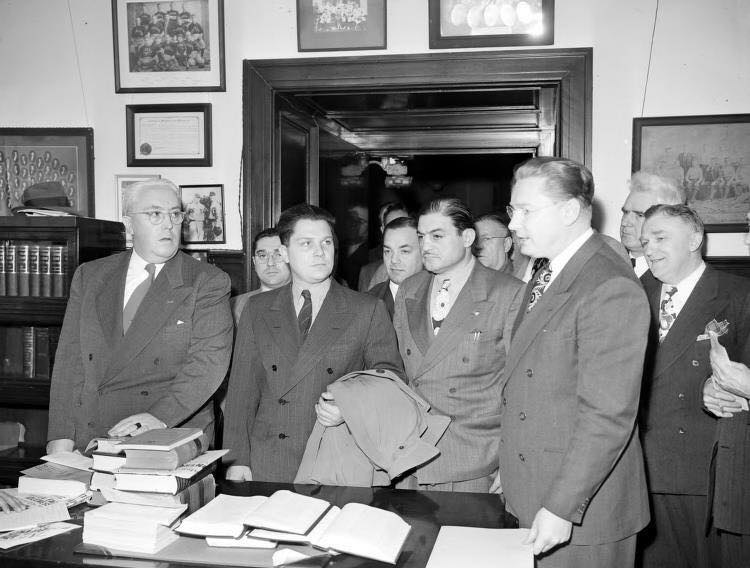
The Teamsters leader vanished on July 30, 1975, after arriving for a meeting with mob-connected associates, and despite decades of investigations, his fate remains unknown.
The Rise Of A Powerful And Polarizing Labor Leader
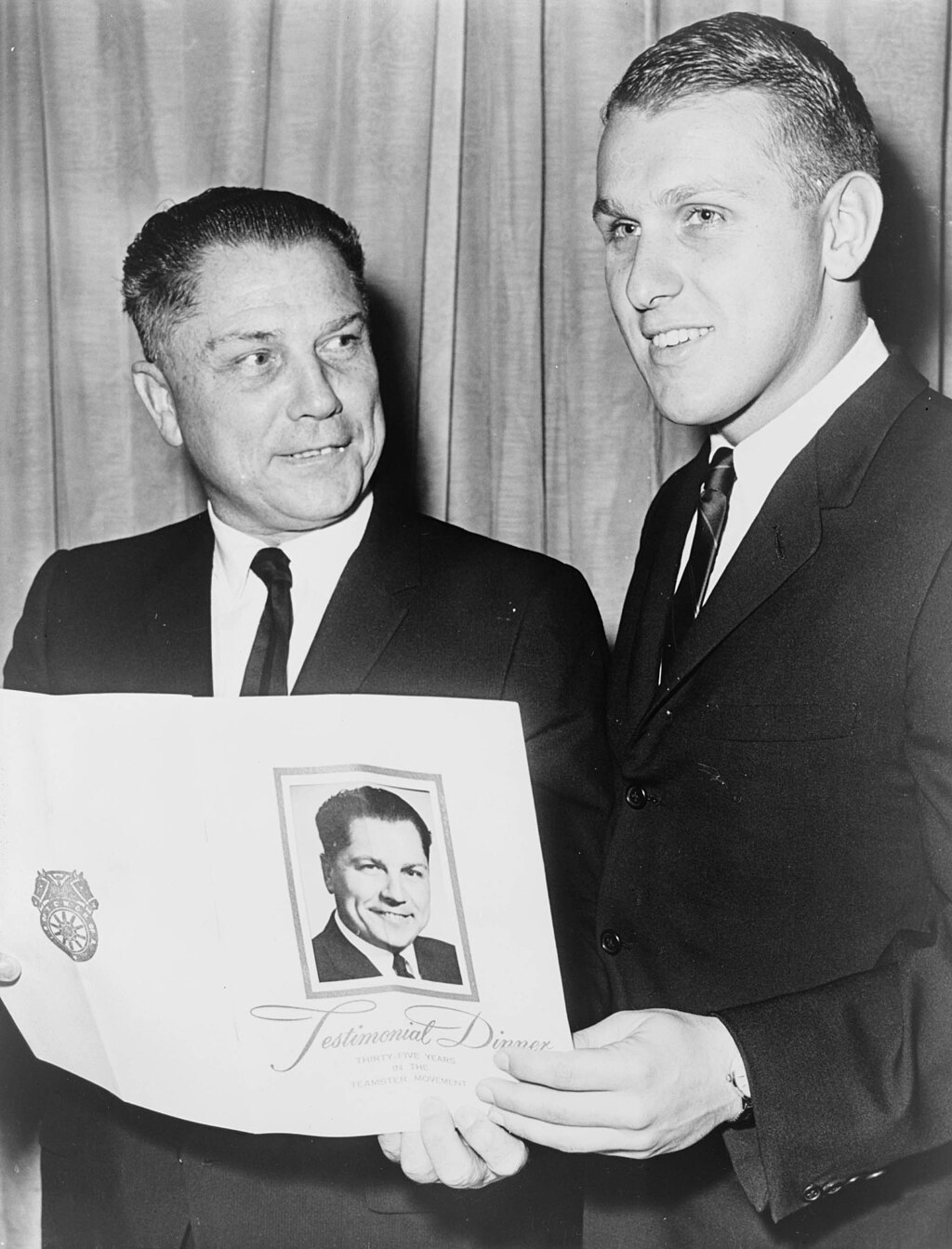
Jimmy Hoffa was one of the most influential labor figures of the 20th century, a man who could mobilize millions of workers, sway elections, and negotiate national contracts with ruthless effectiveness. Born in 1913 in Indiana, Hoffa rose through the ranks of the International Brotherhood of Teamsters during a period when unions were gaining unprecedented power.
By the time he became president of the Teamsters in 1957, he had transformed the union into a force representing more than 1.7 million truckers, warehouse workers, and laborers across the country. Industries relied on the Teamsters to keep goods moving, and Hoffa ensured that workers had bargaining power, sometimes through hard-fought strikes and other times through questionable alliances.
Hoffa’s leadership was widely admired among workers, but his methods drew national scrutiny. Government officials, journalists, and rival union leaders frequently accused him of corruption, intimidation, and deep ties to organized crime figures. Hoffa himself denied criminal wrongdoing, though he made little effort to hide his relationships with known mobsters.
In the late 1950s and early 1960s, Hoffa became a prime target for Attorney General Robert F. Kennedy, who was determined to crack down on organized crime and corrupt labor practices. Kennedy’s Justice Department pursued Hoffa aggressively, launching numerous investigations and prosecutions that spanned years.
In 1967, Hoffa was found guilty of jury tampering, attempted bribery, and fraud. He was sentenced to 13 years in prison, but that didn’t stop him from continuing to influence the Teamsters from behind bars.
He remained president until 1971, when President Richard Nixon commuted his sentence. The commutation, however, came with a significant catch: Hoffa was prohibited from participating in union activities until 1980.
For Hoffa, this restriction was intolerable. He viewed the Teamsters as his life’s work, and from prison he watched as his successor, Frank Fitzsimmons, steered the union in a direction he believed empowered organized crime more than ever. By the mid-1970s, Hoffa was working relentlessly to reclaim his position, or at least overturn the ban that kept him from doing so.
But before he could attempt a comeback, Jimmy Hoffa disappeared.
A Meeting He Never Returned From
On the afternoon of July 30, 1975, Hoffa left his home in the Detroit suburb of Lake Orion with plans to attend what he believed was a peace meeting with two longtime associates from the Mafia.
Those men were:
- Anthony “Tony Jack” Giacalone, a feared Detroit mob captain
- Anthony “Tony Pro” Provenzano, a member of the Genovese crime family and influential Teamsters leader from New Jersey
Hoffa had clashed bitterly with Provenzano years earlier, and the two had nearly come to blows over union disputes. Still, Hoffa believed the meeting could help mend old conflicts and potentially pave the way for his return to power.
He arrived shortly before 2:30 p.m. at the Machus Red Fox, a restaurant in Bloomfield Township, Michigan. He was reportedly irritated to find that neither Giacalone nor Provenzano had shown up yet. He waited in the parking lot, pacing and making phone calls from a nearby pay phone.
Moments later, Hoffa vanished.
When he failed to return home that evening, his family contacted authorities. By midnight, police were at the restaurant, and by the next day, the FBI had taken over the investigation.
But they found no sign of Hoffa, no struggle, no witnesses, no evidence of a crime scene. His car remained in the parking lot. He had simply disappeared.
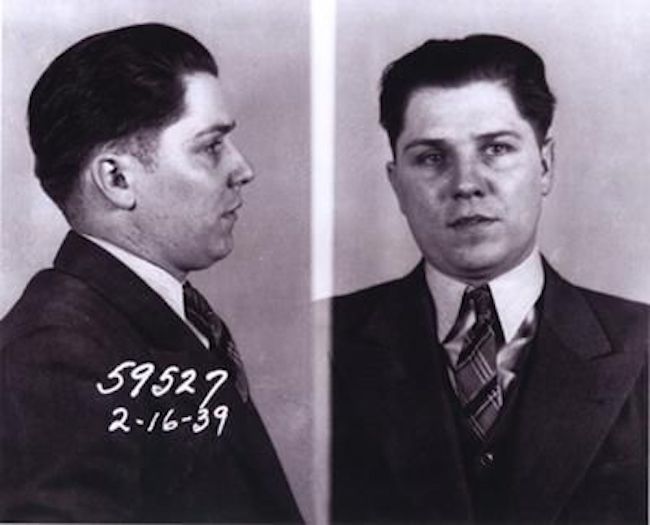
Mob Motives And Early Leads
Almost immediately, suspicion fell on Hoffa’s underworld connections. Throughout his career, Hoffa had relied on mob support to maintain control of the Teamsters. In return, organized crime families gained access to billions of dollars from the Teamsters pension fund, money that financed casinos, construction projects, and other ventures.
By 1975, many mob bosses feared Hoffa’s return to power. They worried he would unravel the financial arrangements they had built with Fitzsimmons and potentially retaliate against those he believed had betrayed him.
This gave the Mafia a clear motive for silencing him.
Investigators focused heavily on Giacalone and Provenzano, the two men Hoffa had expected to meet that afternoon. Both denied any involvement and presented alibis. Authorities never found evidence directly linking them to the disappearance.
Other mobsters made sensational claims over the years:
- That Hoffa was beaten to death in a Detroit house
- That he was shot inside a car
- That he was stuffed into a 55-gallon drum
- That he was cremated at a mob-connected facility
But none of these claims were supported by evidence, and many came from unreliable sources seeking attention or leniency from law enforcement.
One of America’s Most Persistent Mysteries
For decades, the FBI poured immense resources into the Hoffa case. Agents followed hundreds of leads, dug up properties, interviewed mob informants, and pursued every rumor, from credible to bizarre.
Some of the most well-known theories included:
Burial Under Giants Stadium
One of the most persistent myths claimed Hoffa was buried in the concrete beneath the since-demolished Giants Stadium in New Jersey. The FBI ruled this out early on.
Cremation at a Mob-Owned Facility
Another theory suggested Hoffa was killed and immediately cremated at an industrial site, leaving no physical remains.
Burial in a Landfill
In 2019, the FBI searched a New Jersey landfill after a tip suggested Hoffa had been buried there. The investigation found nothing.
Dumped in the Great Lakes
Some mob insiders claimed Hoffa’s body was disposed of in a body of water to ensure it would never be recovered.
Despite countless searches, no physical evidence has ever surfaced.
Why No One May Ever Know the Full Truth
Hoffa’s disappearance has become one of the most enduring unsolved cases in American history. Part of the challenge is that many individuals who might have known the truth, mobsters, union leaders, and witnesses, have died over the past five decades.
Organized crime killings of the era were designed to leave no trace. Those involved operated with strict secrecy and often used methods that ensured victims’ bodies would never be found.
Additionally, Hoffa’s disappearance happened quickly and quietly, in a public place, in broad daylight, giving investigators very few leads from the start.
While the FBI officially considers the case open, many former agents believe the truth was buried long ago, either literally or through a conspiracy of silence.
A Legacy That Endures In Shadows
Though Jimmy Hoffa is remembered for his role in building one of the most powerful labor unions in the world, his unresolved disappearance has overshadowed much of his legacy. His life story, marked by ambition, relentless organizing, political battles, and criminal accusations, ended with a mystery that continues to fascinate historians, investigators, and the public.
Nearly 50 years later, Hoffa’s fate remains one of America’s greatest unanswered questions.
Whether he was killed by former allies, silenced by the mob, or met some other unknown end, his disappearance stands as a chilling reminder of the dangerous intersection of power, crime, and influence in mid-20th-century America.
And until evidence emerges, if it ever does, the vanishing of Jimmy Hoffa will remain a case defined by speculation, secrecy, and silence.
Featured Image from: Detroit Free Press, CC BY-SA 4.0, via Wikimedia Commons