
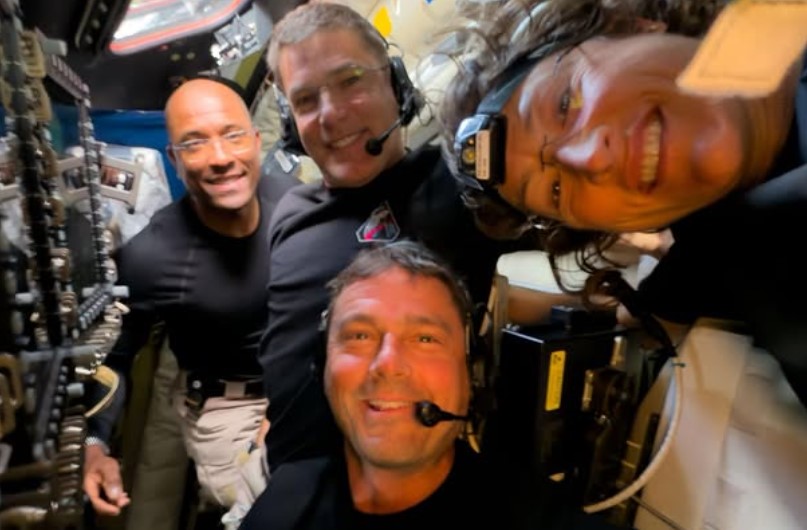
NASA has officially sent astronauts back into deep space for the first time since 1972, marking a major step toward returning humans to the Moon
After decades of planning and delays, the moment finally arrived.
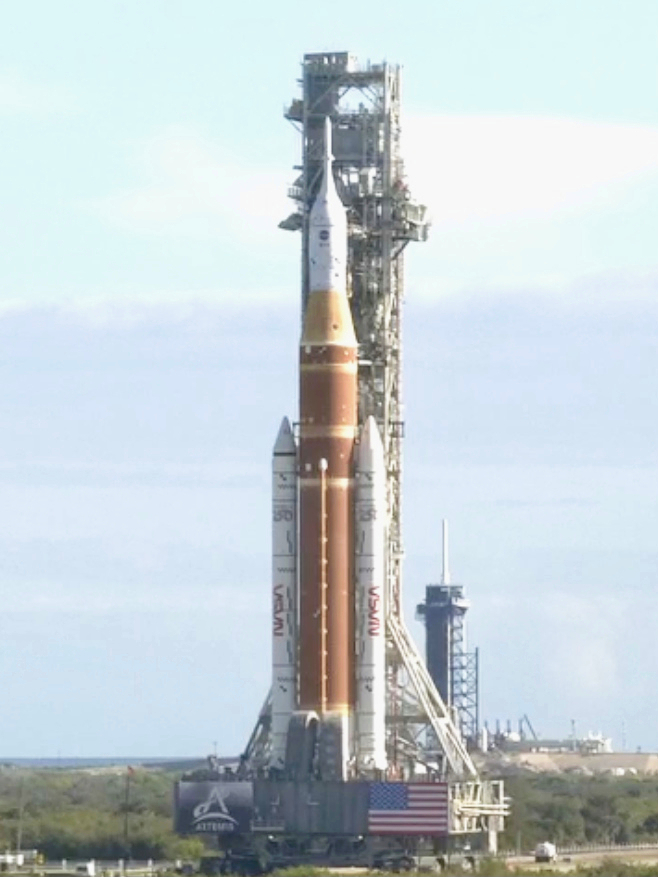
NASA’s Artemis II mission launched on April 1 at 6:24 p.m. ET from Kennedy Space Center in Florida, sending four astronauts on the first crewed journey toward the Moon in more than half a century.
The liftoff marks the first time humans have traveled beyond low-Earth orbit since Apollo 17 in 1972.
And this time, the mission is not just about reaching the Moon.
It’s about building the path to stay.
A Historic Liftoff After Years of Delays
The launch had originally been scheduled earlier in the year but was pushed back due to technical issues, including a hydrogen leak and pressurization concerns.
Those delays forced NASA engineers to conduct additional testing and safety checks, critical steps for a mission of this scale.
By late March, systems were cleared.
Weather conditions were favorable.
And on April 1, Artemis II finally lifted off.
For NASA, it marked the end of a long wait, and the beginning of a new phase in human space exploration.
Where the Mission Stands Now
Following launch, the crew began a 10-day mission designed to push the limits of human spaceflight.
The journey includes:
- Multiple orbits around Earth
- A deep-space trajectory toward the Moon
- A flyby of the lunar surface
- A return path back to Earth
The astronauts are expected to travel more than 280,000 miles from Earth, making it the farthest distance humans have traveled in modern history.
Unlike the Apollo missions, Artemis II will not land on the Moon.
Instead, it serves as a critical test of the Orion spacecraft and the systems needed for future missions.
Meet the Crew Leading the Return
The Artemis II crew represents a new era in space exploration.
Commander Reid Wiseman leads the mission, joined by:
- Victor Glover, the first Black astronaut to travel into deep space
- Christina Koch, the first woman to make the journey
- Jeremy Hansen, the first Canadian astronaut to leave Earth’s orbit
Their mission carries both technical and symbolic significance.
“It’s about human history,” Glover said before launch.
Now, that history is unfolding in real time.
Why This Mission Matters Now
For decades, NASA’s human spaceflight efforts have focused on low-Earth orbit, missions to the International Space Station and satellite operations.
Artemis II changes that.
This mission is part of a broader plan to:
- Return astronauts to the Moon
- Establish a long-term human presence there
- Use that experience to prepare for missions to Mars
That makes Artemis II more than a milestone.
It’s a foundation.
Everything that follows, including future lunar landings, depends on the success of this mission.
The Stakes After Liftoff
While the launch itself is historic, the mission is far from over.
Over the next several days, NASA will closely monitor:
- Spacecraft performance
- Life support systems
- Crew health and response in deep space
- Navigation and communication systems
Each of these elements will determine how quickly NASA can move forward with its next major goal: putting humans back on the Moon.
What Happens Next
If the mission proceeds as planned, the crew will complete their lunar flyby and return to Earth, splashing down in the Pacific Ocean around April 10.
But the real outcome won’t be measured by the splashdown.
It will be measured by what NASA learns.
Because Artemis II is not the destination.
It’s the test run for everything that comes next.
The Bottom Line
On April 1, 2026, NASA crossed a threshold it hadn’t reached in over 50 years.
Humans are once again traveling toward the Moon.
And this time, the goal isn’t just to visit.
It’s to build a future beyond Earth.
Featured Image from Instagram: NASA