

More than two decades after the alleged abuse began, one survivor is still waiting for answers, and for accountability.
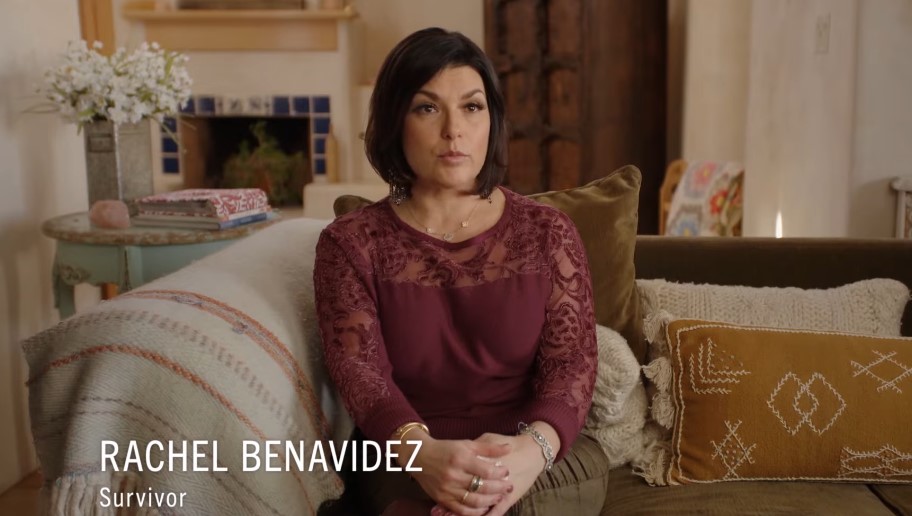
Rachel Benavidez, who says she was sexually assaulted by Jeffrey Epstein at his secluded New Mexico property known as Zorro Ranch, is speaking out again as new investigations bring renewed attention to what may have happened there.
For her, the passage of time has not lessened the urgency.
“Until survivors are heard and believed, I don’t think there’s ever going to be any justice,” Benavidez said.
A Hidden Chapter in the Epstein Case
While Epstein’s crimes in Florida and New York have been widely documented, allegations tied to his New Mexico ranch have long remained in the background.
Zorro Ranch, a vast and isolated property surrounded by miles of open land, has been described by multiple accusers as a place where abuse occurred far from public view.
Benavidez is among at least ten women who have alleged they were groomed or assaulted there beginning in the late 1990s.
Many say they were drawn in with promises of money, career opportunities, or connections, only to find themselves in an environment they describe as controlled and inescapable.
Allegations That Were Never Fully Investigated
Despite repeated claims over the years, survivors say what happened at the ranch was never thoroughly examined.
That may now be changing.
Recent document releases related to the Epstein case, including previously undisclosed materials, have prompted New Mexico authorities to reopen inquiries. The state has launched both a criminal investigation and a separate review process aimed at uncovering what may have been overlooked.
New Mexico Attorney General Raúl Torrez has said his office is committed to pursuing the case, including conducting searches of the ranch and requesting additional federal documents.
“We are going to follow every lead, no matter how uncomfortable it is,” he said, emphasizing that survivors’ voices will be central to the process.
A Survivor’s Story
Benavidez says she first went to the ranch in 1999, shortly after becoming a licensed massage therapist. She believed she had been hired for legitimate work.
At first, she described Epstein and Ghislaine Maxwell as wealthy and well-connected clients offering professional opportunity.
But she says the situation quickly changed.
What began as massage work, she alleges, turned into escalating sexual abuse. She has said Epstein became increasingly aggressive and ultimately assaulted her.
She also described feeling isolated, both physically, due to the remote location, and emotionally, believing at the time that she might be the only one experiencing it.
“For a long time, I thought I was the only one,” she said.
Silence, Then Speaking Out
Like many survivors, Benavidez says she did not immediately come forward.
Fear, shame, and pressure kept her silent for years. She said she was repeatedly asked to return to the ranch and felt unable to refuse.
Eventually, she stopped going after being asked to sign a nondisclosure agreement.
It wasn’t until Epstein’s 2019 arrest that she began to speak publicly, connecting with other survivors who shared similar experiences.
Now, she says that support system has been critical.
“They helped me carry the weight of this,” she said.
Missed Opportunities for Justice
Epstein’s legal history has long been scrutinized for missed chances to hold him fully accountable.
In 2008, he reached a controversial plea deal in Florida that limited his prison time and halted broader federal investigations, some of which reportedly included activity in New Mexico.
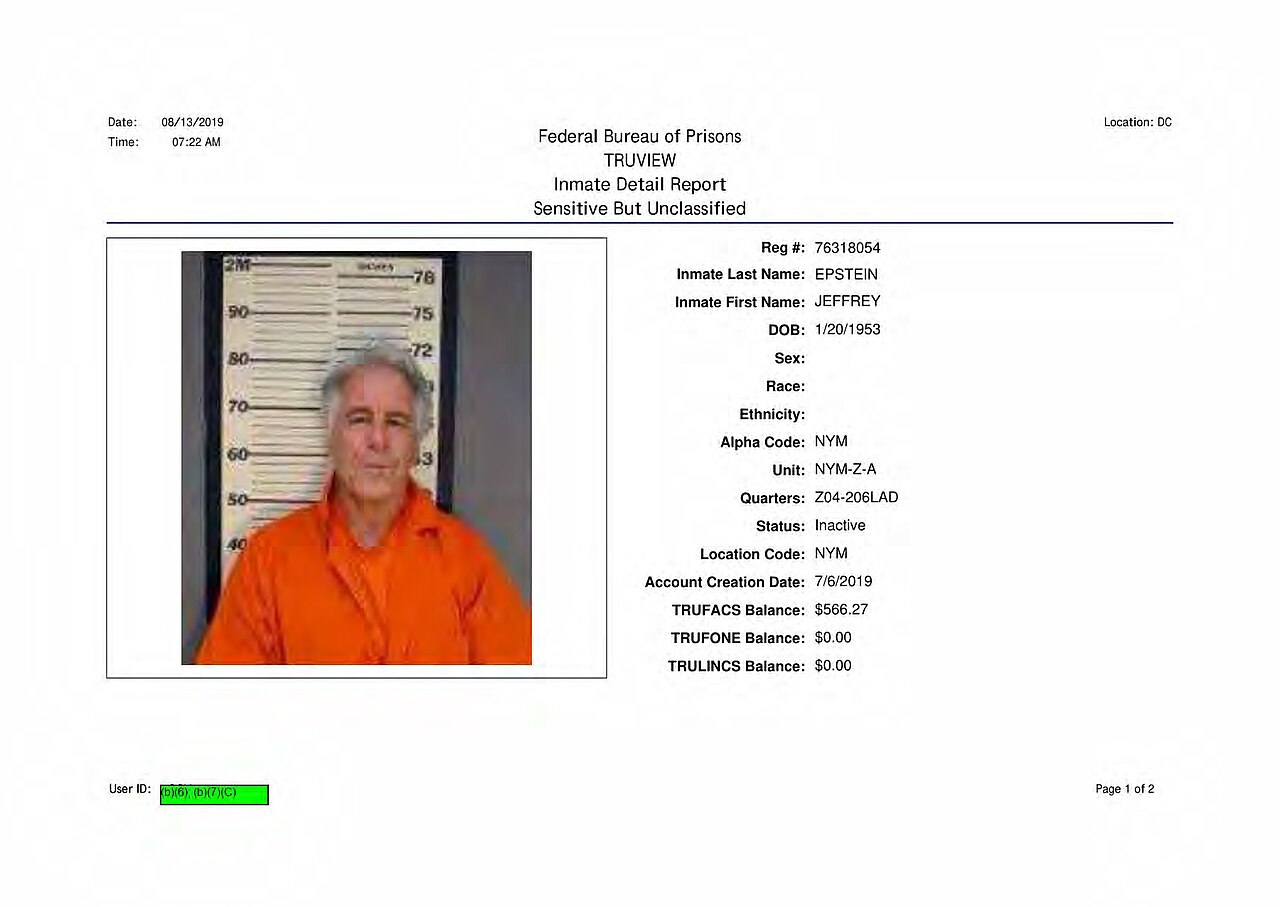
After his 2019 arrest in New York, federal prosecutors did not include charges related to the ranch. Following his death later that year, many questions remained unanswered.
Former New Mexico officials have acknowledged that communication gaps between agencies may have contributed to those missed opportunities.
Why This Moment Matters
The renewed investigations represent, for many survivors, a chance to revisit a part of the case that was never fully addressed.
Benavidez says she is willing to testify again if it helps uncover the truth, not just about Epstein, but about others who may have enabled or ignored his actions.
“I don’t think it’s too late,” she said. “There are people who knew what was going on.”
While she has not publicly named individuals, she believes accountability should extend beyond those already charged.
Life After Trauma
Today, Benavidez works as a hospice nurse, focusing on caring for others in some of their most vulnerable moments.
She says the trauma of what happened still stays with her, but she has found purpose in both her work and her advocacy.
Speaking out, she says, is not just about the past, it’s about preventing silence in the future.
The Bottom Line
Years after Epstein’s death, the full scope of his network, and the extent of what happened at places like Zorro Ranch, remains incomplete.
For survivors like Rachel Benavidez, the fight is not just about revisiting old wounds.
It’s about making sure they were never ignored in the first place.
And ensuring that, even now, the truth still has a chance to come forward.
Featured Image from: U.S. Department of Justice, Public domain, via Wikimedia Commons