
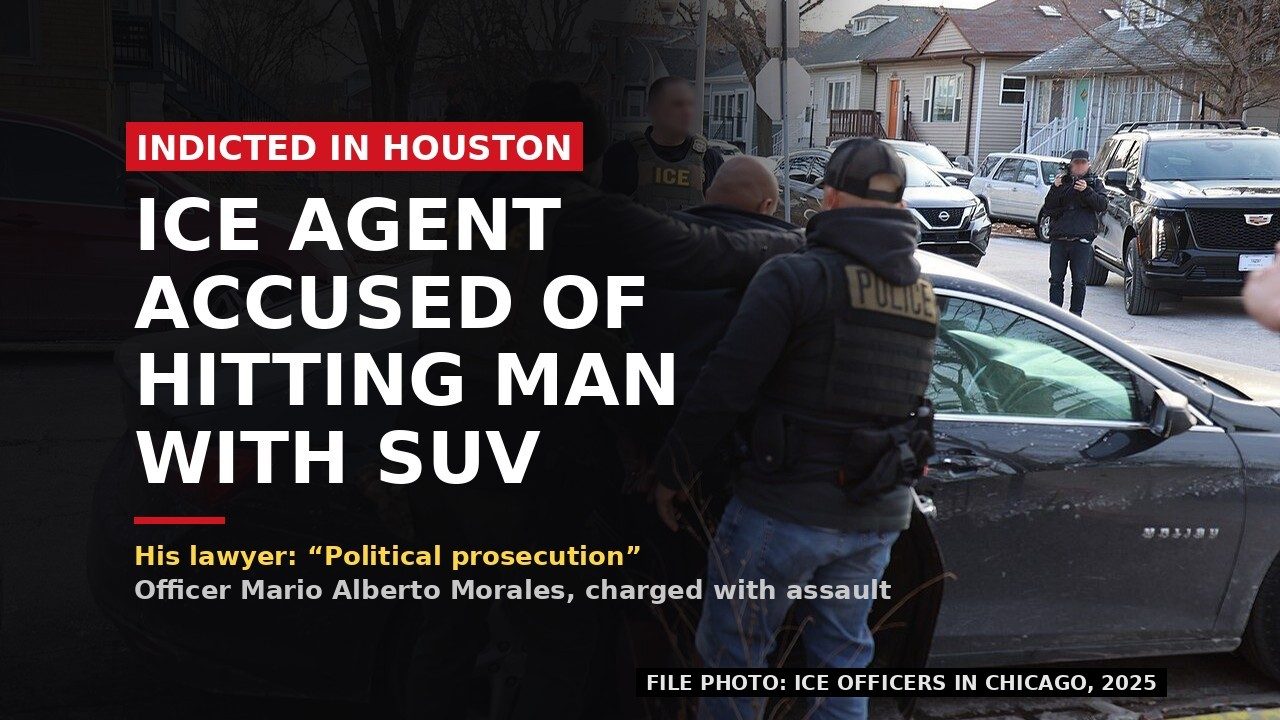
An ICE officer charged with aggravated assault in Houston is out on bond as his defense prepares to argue that Texas cannot prosecute a federal agent.
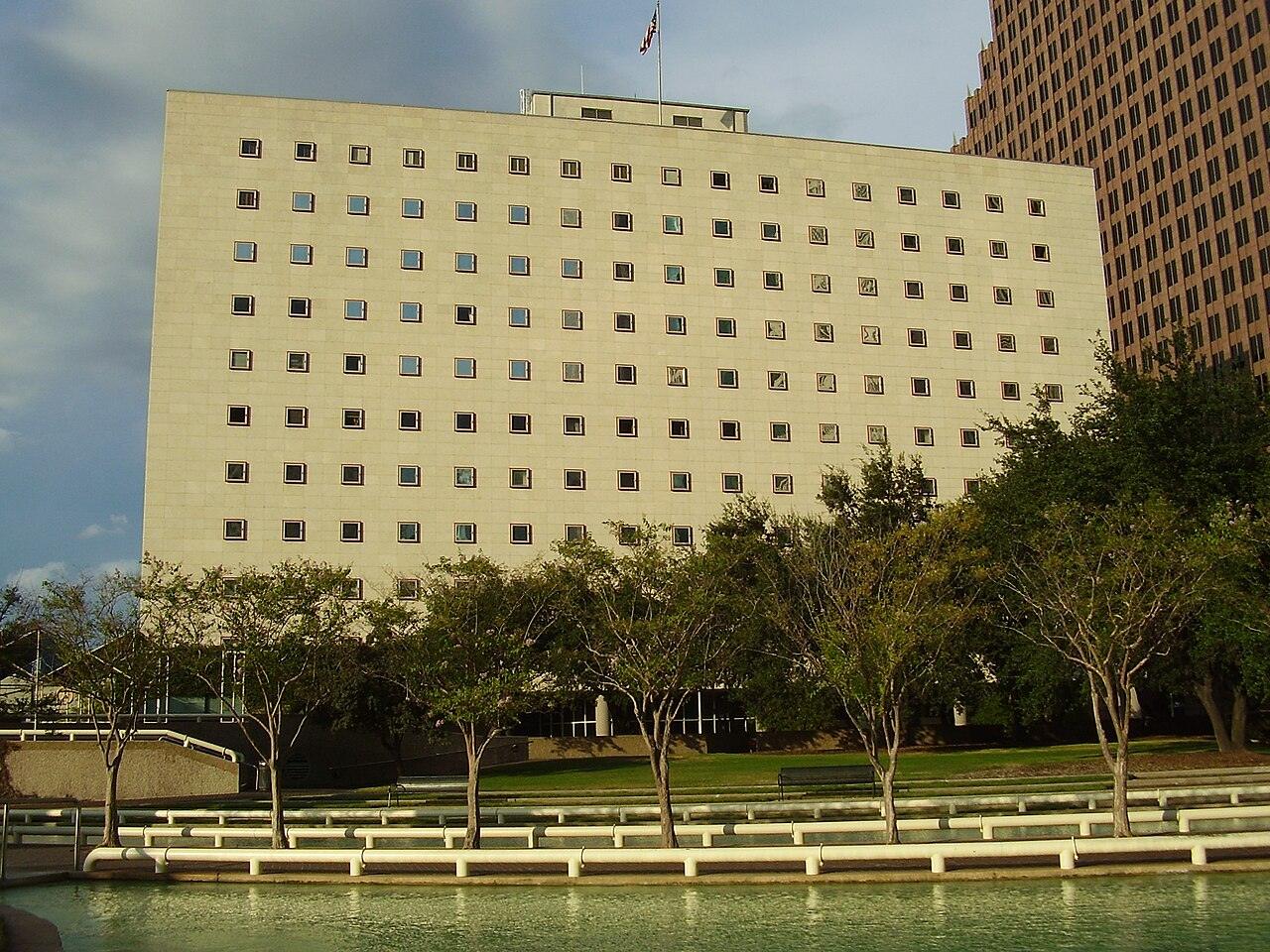
Immigration and Customs Enforcement (ICE) agent Mario Alberto Morales surrendered in a Harris County courtroom on Monday, Nov. 2, to face a felony charge that he deliberately drove into a fleeing man, as his lawyer called the case a “political prosecution,” Houston Public Media reported.
Judge Matthew Peneguy set bond at $30,000, according to Houston Public Media, after prosecutors asked for $75,000 and the defense for $25,000. Morales, 33, posted bond and was ordered to have no contact with victims or witnesses.
The case now heads toward a fight over whether a local prosecutor can try a federal immigration agent at all. Morales has not been convicted, and his lawyers say he committed no crime.

ICE Agent Surrenders on Assault Charge
A Harris County grand jury indicted Morales on Oct. 30 on a second-degree felony charge of aggravated assault with a deadly weapon, his vehicle, the Texas Tribune reported. If convicted, he faces 2 to 20 years in prison.
Prosecutors allege that on Oct. 10, near Clay Road and Highway 6, Morales drove his unmarked SUV into Miguel Parra-Hernandez, 48, as he ran away during a pursuit, breaking his leg. ICE says Parra-Hernandez ran in front of the vehicle. District Attorney Sean Teare says surveillance video contradicts that account, the Associated Press reported.
“The evidence we have in this case is as clear as any that I’ve ever prosecuted or investigated,” Teare said.
On body camera video released by Teare, Morales says, “I was coming in and I hit him with the car.” He is due back in court on Dec. 2, ABC13 reported.
Defense and ICE Call the Case Political
Defense lawyer David Lindenmuth says the crash was an accident. “This officer was doing his job, and a fleeing individual caused the chaotic circumstances that led to this unfortunate incident,” he told Houston Public Media.
“It has been manufactured to be a crime by a politically minded district attorney,” he added.
Michael Wynne, the lead defense attorney, noted that the indictment came on the last day of early voting before last week’s midterm elections, saying “the elected district attorney jumped on it immediately.”
ICE called the charge “a political stunt by Houston sanctuary politicians” in a statement reported by KPRC 2. “Allegations that ICE struck Miguel Parra-Hernandez intentionally are RECKLESS and FALSE,” the agency said.
Aaron Reitz, the top federal prosecutor for the Southern District of Texas, also called the indictment a political prosecution and said he sees no need for federal charges, the Tribune reported.
“Federal agents should not be turned into political trophies for doing the difficult and dangerous work of enforcing federal laws,” Reitz said.
Can Texas Prosecute a Federal Agent?
ICE’s statement went further. “Federal officers acting in the course of their duties can only be investigated by other Federal agencies,” it said. Teare called that claim “patently false,” Houston Public Media reported.
Wynne’s statement said that “the Supremacy Clause of the United States Constitution raises serious questions about the state’s authority to pursue this prosecution.”
The defense plans to take that argument to federal court. “We’ll press this case and litigate it the way the framers designed it, and that is in a federal forum,” Wynne told ABC13. Teare said his office is ready: “We believe this case will eventually be tried in a Harris County Courthouse.” No removal filing had been reported as of Nov. 10.
A federal law, 28 U.S.C. 1442, lets a federal officer move a state prosecution to federal court when it concerns an act done under color of the office. Courts also require a plausible federal defense, usually Supremacy Clause immunity, according to a University of Wisconsin Law School explainer by Bryna Godar. It notes that a federal judge rejected Trump’s own bid to move a state case in his hush money prosecution.
That immunity covers only actions authorized by federal law and necessary and proper to carry out federal duties. Godar wrote that “while Supremacy Clause immunity grants federal officials a partial shield from state prosecution, that immunity is not absolute.”
Kent Schaffer, a Houston lawyer not involved in the case, told ABC13 that “if the judge finds that the agent or officers’ actions were not necessary to enforce federal law, then the case is going to go to trial.”
What Past Cases Show
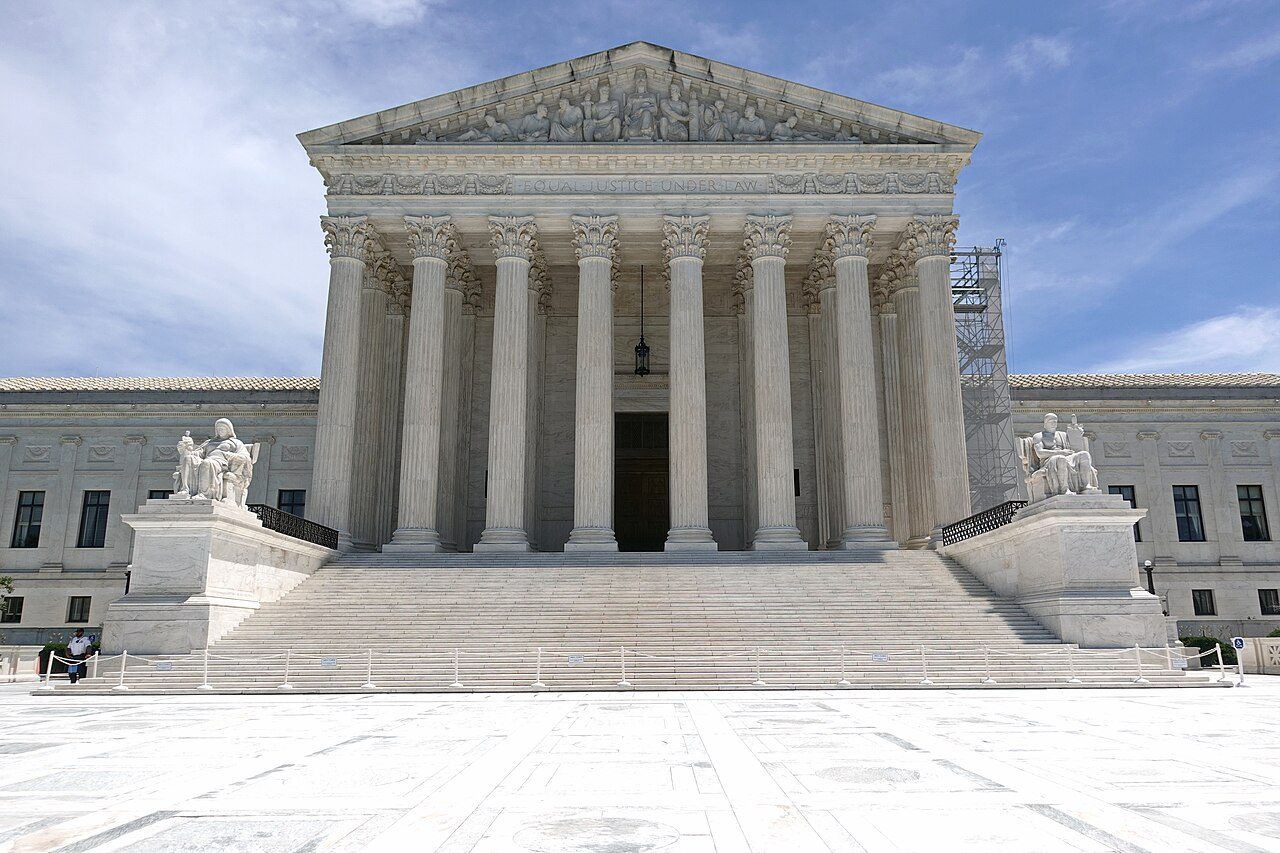
In the foundational 1890 case In re Neagle, the Supreme Court ruled that California could not prosecute a deputy U.S. marshal who killed a man attacking a Supreme Court justice, because he was carrying out his duties, PolitiFact noted.
Driving cases have gone both ways. In 1990, a Marine who killed someone in a crash while driving in a military convoy in North Carolina was not granted immunity. The same year, a court held that a customs agent was immune from speeding charges during a drug operation.
“That’s a generous standard, to be sure,” Georgetown law professor Steve Vladeck wrote of the immunity test. “But it is by no means a get-out-of-prosecution-free card.”
Jonathon Booth, a University of Colorado law professor, told Law360 that “it makes sense that states would want to exercise their sovereign authority to enforce their criminal laws, even if the person breaking those laws happens to work for the federal government.”
Accountability Push Extends to Fatal Shooting
“I hope that it also sends a loud and clear message to every ICE officer who feels that they have a free pass to terrorize our streets,” he said, according to Houston Public Media.
Sheriff Ed Gonzalez said, “No badge, title, or position places anyone beyond scrutiny or accountability.”
Morales joined ICE in August 2025 during a hiring surge that is part of ICE’s expanding role under President Donald Trump. He is one of at least three ICE officers criminally charged over enforcement operations in Trump’s second term, according to the Tribune. The other two cases are in Minnesota, where state investigators are also looking into Alex Pretti’s killing. Oversight has also been at the center of the fight in Congress over ICE reforms.
Teare’s office is also investigating the July 7 fatal shooting of Lorenzo Salgado Araujo by an ICE agent in Houston. DHS says the officer fired in self-defense. Teare said the same grand jury that indicted Morales will decide whether to indict ICE agent Gregory Feathers once his office finishes its investigation, which it aims to do before Thanksgiving.
ABC13 reported in September that the grand jury had begun hearing witnesses in that case. No indictment has been reported. “We are still working with laser focus on the Salgado case,” Teare said.
Featured image adapted from: usicegov, Public domain, via Wikimedia Commons