
A 2025 study is going viral again. Here is what it actually found, and what it did not
A viral post claims scientists just discovered that axolotl slime kills breast cancer naturally and wipes out drug-resistant superbugs. The study behind it is real, and the results are genuinely interesting. But it came out in March 2025, it was done entirely in lab dishes, and what it found is more modest than the post suggests.
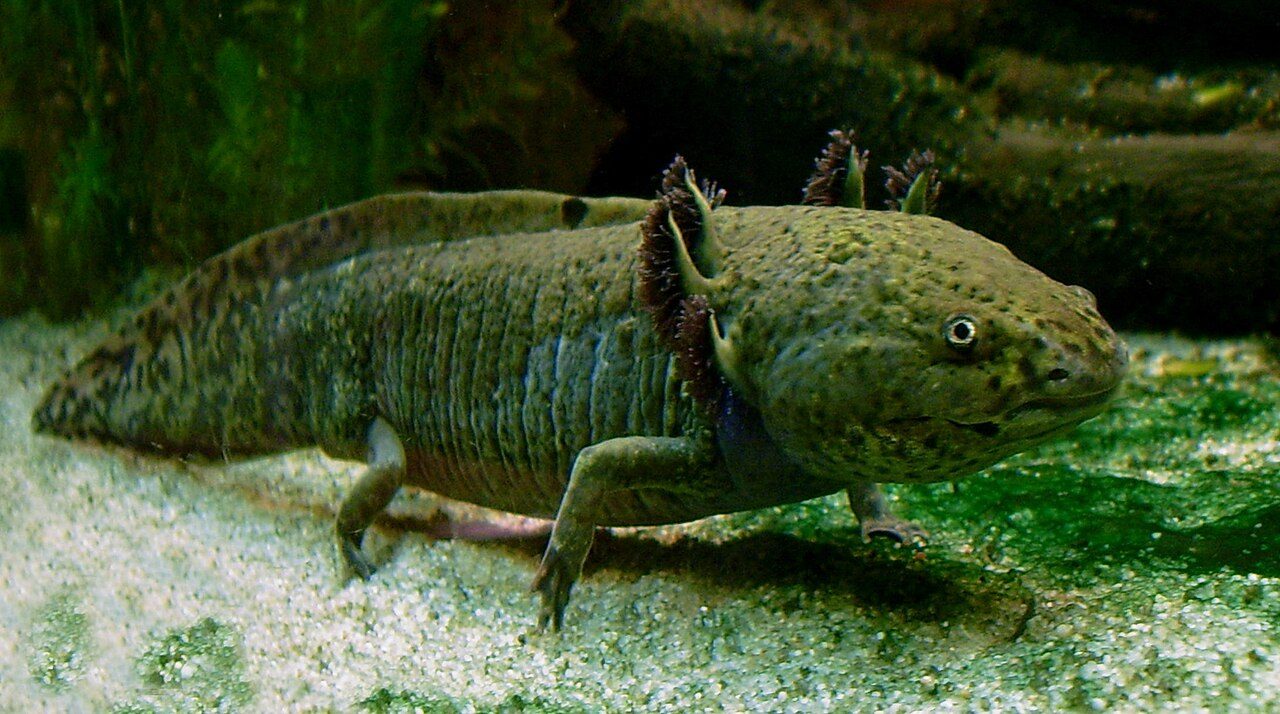
Researchers at Hannover Medical School in Germany published the work in the journal PLOS ONE on March 5, 2025. They tested small proteins, called peptides, first found in the protective mucus on the axolotl’s skin. Here is what they found, what they did not, and why the strange little salamander behind it is worth caring about.
What the Axolotl Mucus Study Found
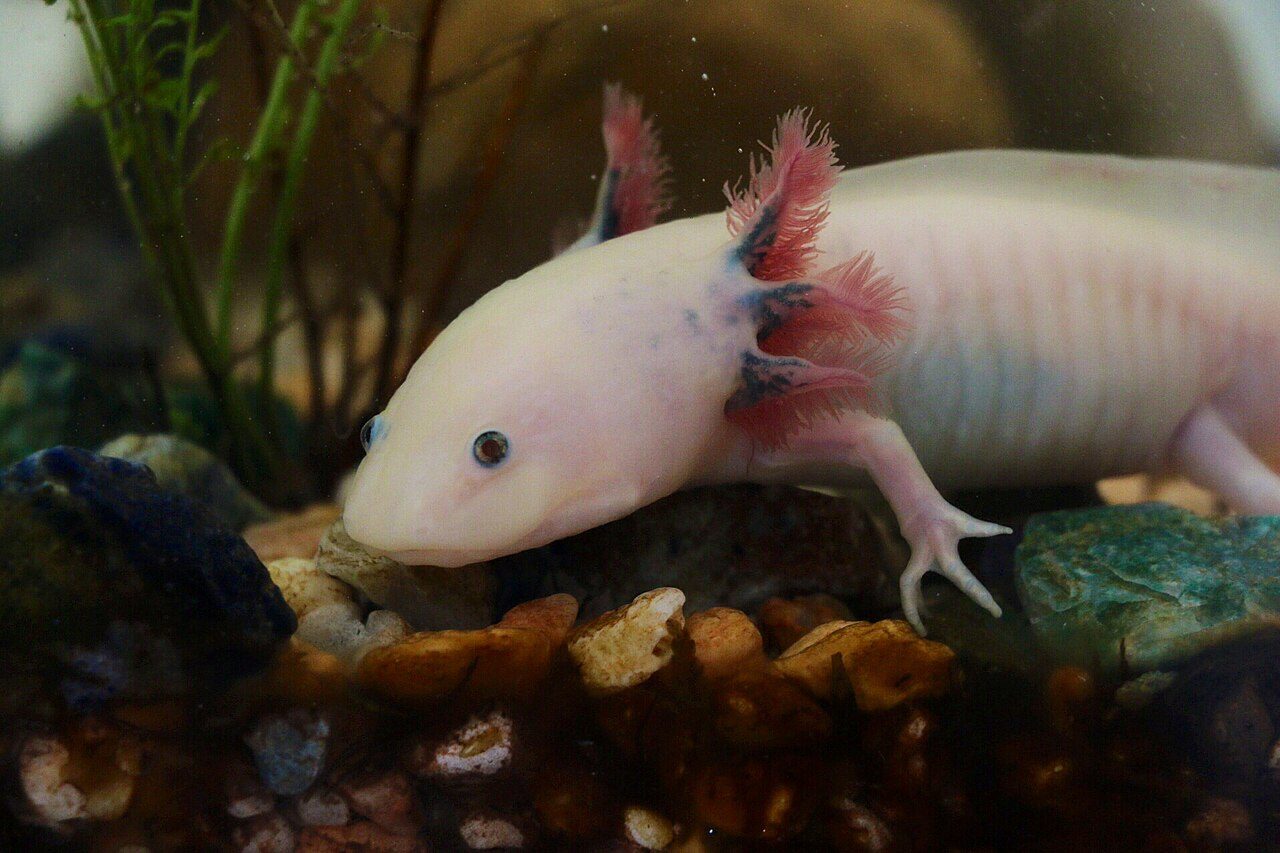
The team started by collecting mucus from axolotls raised in captivity, gently massaging the animals with gloves, according to the university. The work followed the guidelines of Germany’s Animal Welfare Act.
Lab analysis turned up 4,986 different peptide sequences in the mucus, the paper reports. A computer tool ranked them by how likely they were to fight germs, and the researchers made lab copies of the 22 most promising ones to test. That detail matters: the peptides tested were synthesized in the lab, not scraped off an axolotl and applied to anything.
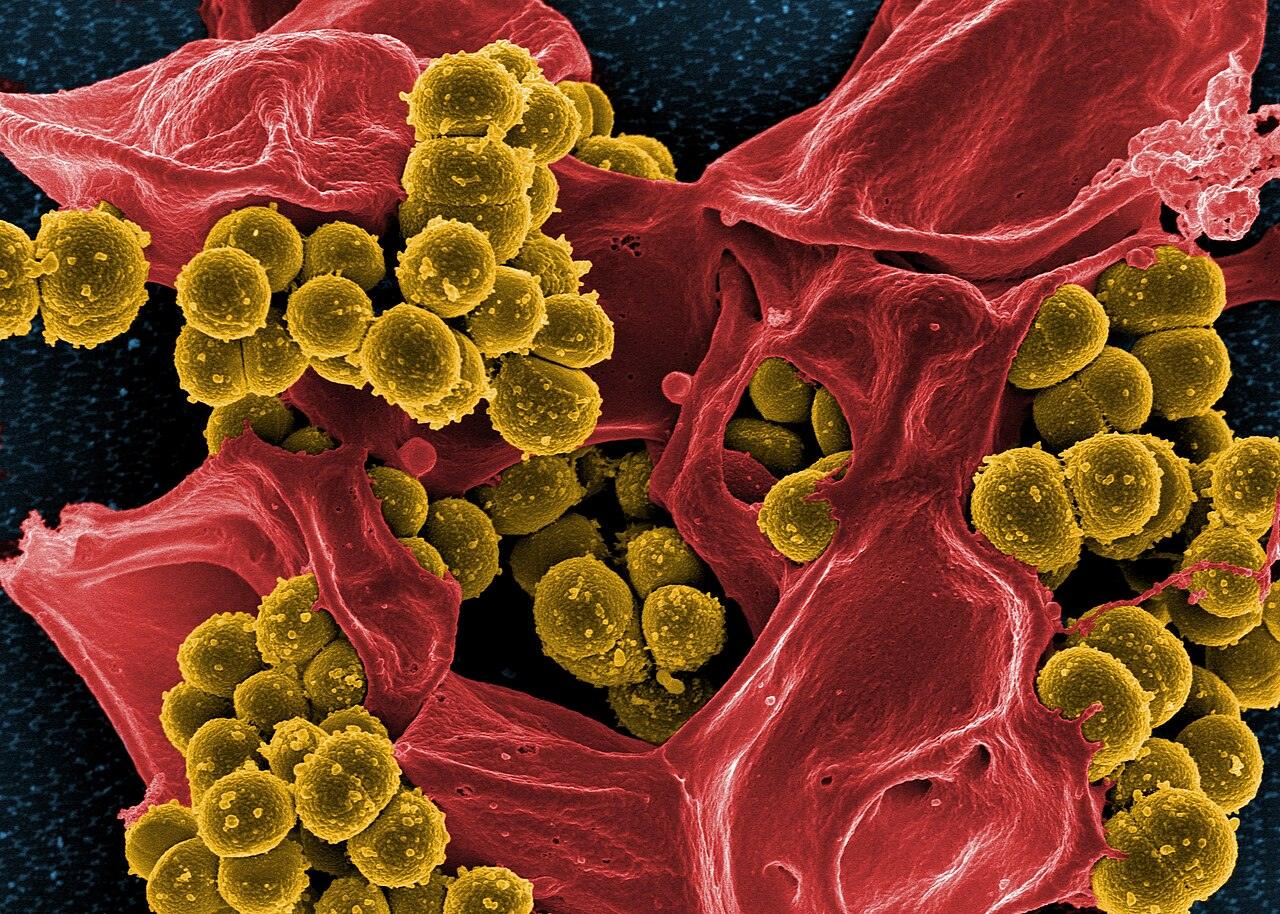
The first test was against Staphylococcus aureus, the bacterium behind staph infections, including MRSA, the strain that shrugs off several common antibiotics. Four of the 22 peptides significantly slowed MRSA’s growth in the lab, and six slowed the ordinary, drug-sensitive form.
“Four of our axolotl AMPs showed efficacy against MRSA that was sometimes even better than that of the reserve antibiotic vancomycin,” said Dr. Sarah Strauss, who led the research, in the university’s statement. AMPs is short for antimicrobial peptides.
The paper itself is a little more measured. The strongest performer, peptide 1, stopped MRSA growth at 2 micrograms per milliliter, which sits within the range usually reported for vancomycin, according to the study. In other words, comparable to one of medicine’s last-resort antibiotics in a lab dish.
“The results against MRSA are particularly significant because the spread of this multi-resistant bacterial strain will continue to increase with the overuse of antibiotics in both healthcare and agriculture,” said Prof. Peter M. Vogt, a co-author and head of the university’s plastic and reconstructive surgery clinic, in the same statement.
How the Peptides Affected Breast Cancer Cells
Three of the peptides that worked against MRSA, numbered 1, 12 and 13, also triggered programmed cell death in breast cancer cells. That is a controlled process in which the affected cell dies.
The cancer cells were a standard lab line called T-47D, and the effect was measured after 24 hours, the paper says. The team ran the same test on a line of normal breast cells, called MCF10A, and reported no toxic effect on them.
“We observed that the peptides specifically kill cancer cells without attacking healthy breast tissue cells,” Strauss said, according to the university.
That is the line the viral post stretched into a claim about healthy breast tissue. The difference is real: these were cells growing in a dish, not tissue in a body.
The researchers also looked at which genes switched on and off in the treated cancer cells. Genes that suppress tumors were turned up, and several cancer-linked genes, including IL6, MMP2 and CCND2, were turned down, the study found.
The paper’s own results section adds a note of caution about how strong the effect was at different doses. “While a concentration-dependent trend was observed, the differences were not uniformly significant across all concentrations and peptides,” the authors wrote.
What Are Antimicrobial Peptides?
Antimicrobial peptides are part of the innate immune system, the body’s first line of defense, and they are found in almost every living thing, from frogs to people. They carry a positive electrical charge and have water-repelling parts, which lets them latch onto the walls of bacteria and punch small holes in them, the university explains. Some also slip inside the cell and bind to molecules there. Either way, the bacterium dies.
Strauss suspects that this chemical structure is what helps the peptides work against resistant strains, and that it could reduce the risk of bacteria developing resistance, the university said.
“Antimicrobial peptides could be an alternative to antibiotics in the future. They have a broad spectrum of activity and at the same time it is more difficult for pathogens to develop resistance,” Vogt said, according to the university.
That resistance advantage is still a hope, not a result. The axolotl study did not test it.
Amphibians have been a rich hunting ground for these molecules for years. Frog peptides called magainins, for example, have been studied extensively and kill a range of cancer cell lines in the lab, the paper notes. Findings like those on other amphibians are what led the Hannover team to test the axolotl’s peptides against cancer cells, a small corner of wider cancer research.
Why MRSA and Drug Resistance Matter
MRSA stands for methicillin-resistant Staphylococcus aureus. It causes staph infections that do not respond to several common antibiotics, according to MedlinePlus, the National Institutes of Health’s consumer health site. It spreads in hospitals and other health care settings, and in the community through close skin-to-skin contact, such as among athletes in contact sports.
Drug resistance is a growing problem well beyond MRSA. Bacterial antimicrobial resistance was associated with more than 4.7 million deaths worldwide in 2021, according to the World Health Organization. When the usual drugs fail, doctors fall back on reserve antibiotics like vancomycin, and resistance is increasingly affecting those too, the university noted.
Breast cancer, the other target in the study, is the most common cancer in American women besides skin cancer. The American Cancer Society estimates about 321,910 new cases of invasive breast cancer and about 42,140 deaths among U.S. women in 2026, and says about 1 in 8 women will develop the disease in her lifetime, according to its latest figures.
Those numbers are why a lead like this gets attention, and why it is worth being careful about what it does and does not show.
Promise and Limits of the Research
The findings are a first step. Everything in the study happened in lab dishes, at 37 degrees Celsius, roughly human body temperature. No peptide was tested in animals or in people, the paper makes clear.
The authors flag their own open questions. Axolotls live in cool water, and the team suggests some peptides might work better at lower temperatures, which would need new experiments. They also want to look more closely at exactly how the peptides damage cells.
“Additional experiments are required and will be performed to substantiate our hypothesis,” the authors wrote.
Making these molecules is another hurdle. “This is time-consuming and expensive, but unfortunately AMPs are not as easy to produce in microorganisms as some antibiotics,” Strauss said, according to the university.
The paper’s conclusion sums up where things stand. “Overall, our findings suggest that these identified AMPs may be promising candidates in the work to address antibiotic resistance and cancer targeting strategies with further validation and studies,” the authors wrote.
So this is not a treatment, and nothing in it suggests trying anything at home. It is a promising lead, like another lab study on cancer cells that made headlines,.
The Axolotl Is Vanishing in the Wild
The animal at the center of the study is in serious trouble. Wild axolotls live only in the canals of Xochimilco, at the southern edge of Mexico City, Conservation International reports.
Surveys found about 6,000 axolotls per square kilometer there in 1998. By 2014, the last full count, that had fallen to 36, a 99 percent drop, according to Conservation International. Urban growth, worsening water quality and introduced fish such as carp and tilapia, which compete for food and eat axolotl eggs, are driving the decline, Popular Science reported.

A 2025 census led by researchers at the National Autonomous University of Mexico caught no axolotls in its nets. Water samples told a different story: traces of the animals’ DNA showed they are still living in the canals.
“Unlike previous surveys, this time we included environmental DNA to better understand where axolotls are surviving and how their habitat is changing,” said Luis Zambrano, who led the census, Conservation International reported.
The axolotls in the Hannover study came from captive breeding, as most lab and pet axolotls do. But if their mucus does hold useful medicine, it is one more reason the wild population is worth saving.
Steps You Can Take Now
No axolotl-based treatment exists. In the meantime, the best protection against MRSA and breast cancer is the advice doctors already give.
To lower your risk of picking up MRSA in everyday life, MedlinePlus recommends:
- Keep cuts and scrapes clean and covered with a bandage until they heal.
- Avoid contact with other people’s wounds or bandages.
- Don’t share towels, washcloths, razors or clothes.
- Wash soiled sheets, towels and clothes in hot water with bleach.
- See a health care provider if a wound looks infected.
These steps come from MedlinePlus. Community MRSA spreads through close skin-to-skin contact, so they matter for athletes in contact sports and for anyone dealing with cuts or other bacterial infections.
For breast cancer, early detection is the most important tool. The U.S. Preventive Services Task Force recommends a screening mammogram every two years for women ages 40 to 74, according to its current guidance.
The American Cancer Society goes further, saying women 45 to 54 should get a mammogram every year, with the option to start yearly screening at 40, according to its guidelines. Women at higher risk may need to start earlier. Talk to your doctor about what fits you, and about other ways to lower your cancer risk.
Featured image from: LoKiLeCh, CC BY-SA 3.0, via Wikimedia Commons