
New warnings, ongoing strikes, and mixed signals from leadership highlight a conflict entering a more dangerous phase
Tensions between the United States and Iran are continuing to escalate, with sharpened rhetoric, ongoing military activity, and growing uncertainty about how, or when, the conflict will end.
What began as targeted strikes has now evolved into a broader confrontation involving energy routes, regional security, and global markets, with both sides signaling they are not backing down.
Latest Update: War Is “Nearly Over”, But Fighting Continues
President Donald Trump has recently stated that the war is “very complete, pretty much,” suggesting that Iran’s military capabilities have been significantly weakened.
According to U.S. officials:
- More than 3,000 Iranian targets have been struck
- Key military infrastructure has been heavily damaged
- Iran’s naval and air capabilities have been degraded
However, despite those claims, military messaging from the Pentagon tells a different story.
The Department of Defense posted that operations are ongoing, signaling that the conflict is not yet over.
Iran has also rejected the idea that the war is nearing an end.
“We are the ones who will determine the end of the war,” Iran’s Revolutionary Guard said in a recent statement.
Direct Threats and Escalating Rhetoric
The situation intensified after a sharp exchange of threats between U.S. and Iranian officials.
Trump warned that if Iran interferes with oil shipments through the Strait of Hormuz, the United States would respond with overwhelming force.
Iranian officials responded with direct and unusually personal language, warning Trump to “be careful,” in what analysts describe as one of the most aggressive public statements in the current conflict.
While such rhetoric is not uncommon during wartime, the tone reflects how quickly tensions are escalating at the leadership level.
Strait of Hormuz Remains the Key Flashpoint
At the center of the standoff is the Strait of Hormuz, one of the most strategically important waterways in the world.
Roughly 20% of global oil supply flows through the narrow channel.
Recent developments include:
- Temporary disruption of shipping routes
- Iran signaling selective control over passage
- U.S. discussions about securing or controlling the strait
Oil markets have reacted sharply, with prices briefly rising above $100 per barrel before fluctuating amid uncertainty.
Even partial disruptions in the strait continue to pose risks to:
- Global energy supply
- Shipping logistics
- Economic stability
Leadership Change in Iran Adds New Uncertainty
Another major development shaping the conflict is the leadership transition in Iran.
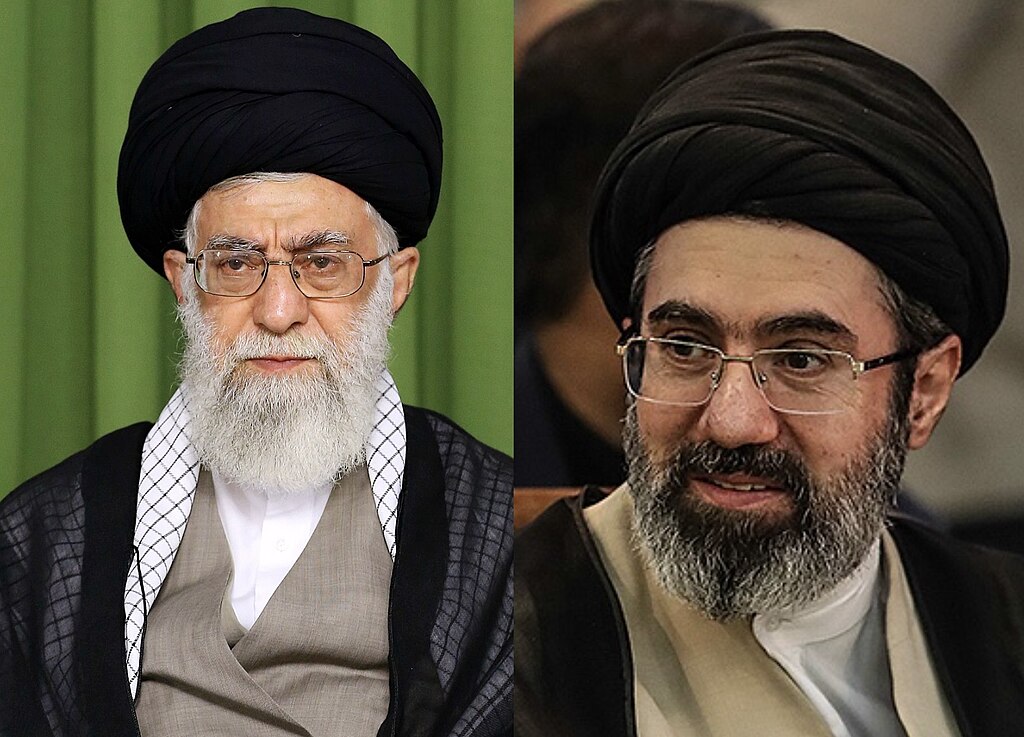
Following the death of Ayatollah Ali Khamenei, Iran has installed Mojtaba Khamenei as the new supreme leader.
The transition marks a rare and significant shift in Iran’s political structure, and comes at a time of war.
So far, Iran’s leadership has signaled continuity rather than de-escalation, with military and political institutions backing the new leader.
However, analysts say the combination of:
- Leadership change
- Ongoing war
- Economic pressure
…creates a highly unpredictable environment inside the country.
Conflict Expanding Beyond Iran
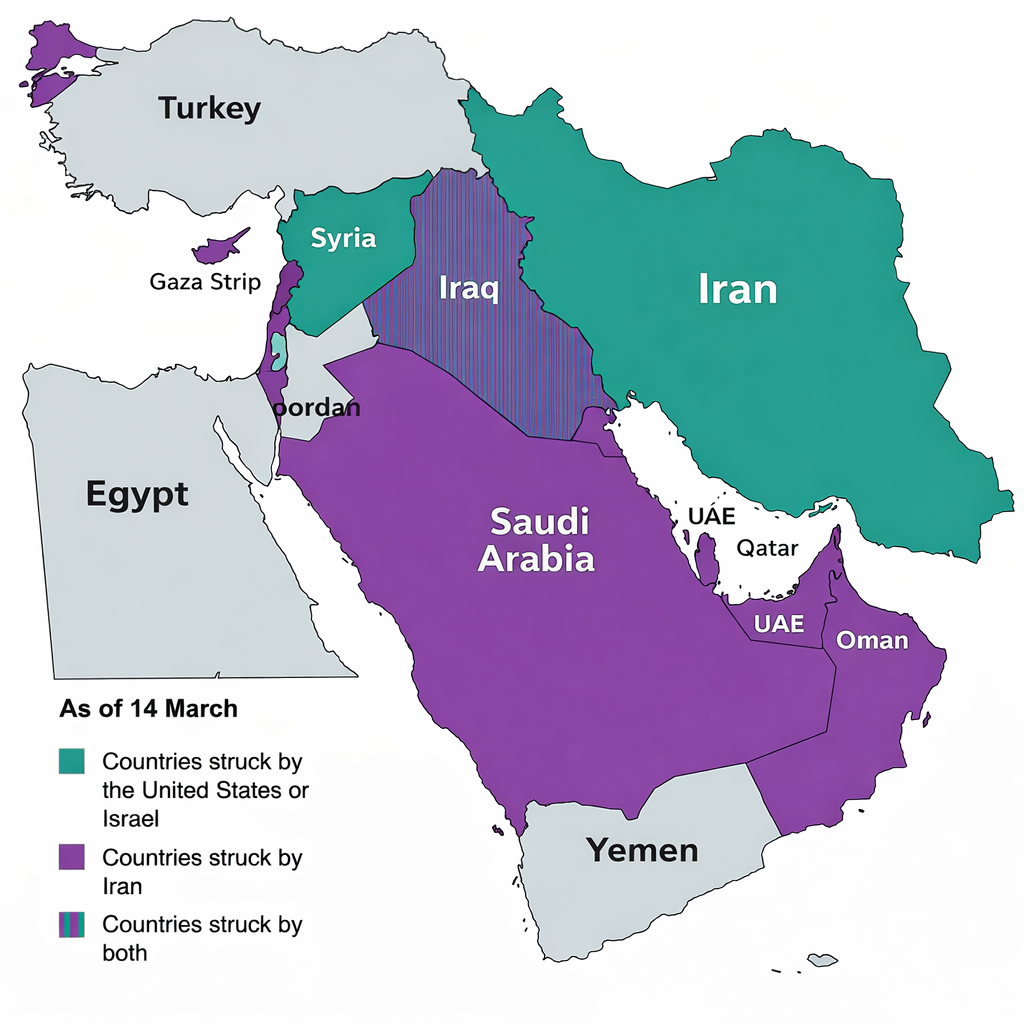
The conflict is no longer confined to Iran and Israel.
Recent weeks have seen spillover across the Middle East and beyond, including:
- Missile and drone activity across Gulf states
- Attacks near U.S. military installations
- Disruptions to global aviation routes
- Naval incidents in international waters
One of the most controversial developments was the sinking of the Iranian naval vessel IRIS Dena, which Iran claims was not engaged in combat at the time.
U.S. officials have disputed that characterization.
The incident highlights how the conflict is expanding geographically, increasing the risk of broader regional involvement.
Markets, Military, and Messaging Collide
Global markets continue to react in real time to developments in the conflict.
- Oil prices remain elevated
- Shipping costs have increased
- Airlines have rerouted or suspended flights
At the same time, messaging from political and military leaders remains inconsistent.
Trump has suggested the war could end soon.
Military officials, however, continue to prepare for extended operations.
This gap between political messaging and operational reality is adding to uncertainty, both in the region and globally.
What Happens Next
As of now, the conflict appears to be entering a critical phase.
Several key questions remain unresolved:
- Will Iran attempt to restrict or control the Strait of Hormuz further?
- Will the U.S. escalate militarily to secure global shipping routes?
- Can the new Iranian leadership stabilize the country internally?
- Is the conflict truly nearing its end, or just shifting into a new stage?
For now, the situation remains highly fluid.
Despite claims of progress, active military operations, rising tensions, and strategic uncertainty suggest the conflict is far from settled.
Featured Image from: Khamenei.ir, CC BY 4.0, via Wikimedia Commons