

White House Considers Military and Financial Measures as Middle East Conflict Disrupts Global Oil Shipping
President Donald Trump said the United States could deploy Navy vessels to escort oil tankers through the Strait of Hormuz if necessary, signaling a potentially significant escalation in U.S. involvement in protecting global energy shipments amid rising tensions in the Middle East.
Speaking Tuesday, Trump also announced that he had directed the U.S. International Development Finance Corporation (DFC) to provide political risk insurance and financial guarantees to support maritime trade in the Persian Gulf region.
The move comes as global oil markets react to disruptions following recent military strikes involving Israel, the United States, and Iran, which have increased the risk to shipping in one of the world’s most critical energy chokepoints.
“No matter what, the United States will ensure the FREE FLOW of ENERGY to the WORLD,” Trump said in a post on social media.
A Strategic Response to Rising Oil Prices
The announcement represents one of the administration’s most aggressive steps so far to stabilize global energy markets as crude oil prices climb.
Oil prices surged after Israeli and U.S. forces began striking Iranian targets over the weekend, leading to retaliatory actions and disruptions affecting tanker movements in the region.
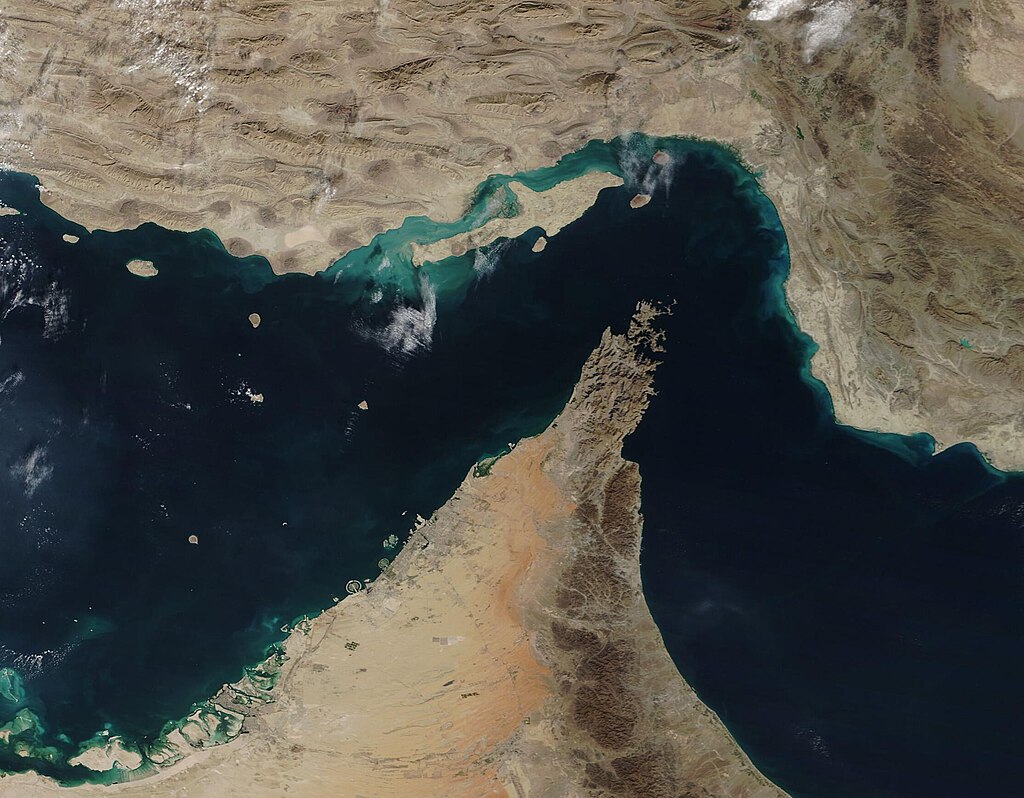
The Strait of Hormuz, located between Iran and Oman, is one of the most important shipping lanes on the planet. Roughly 20 percent of the world’s oil supply passes through the narrow waterway, making it a critical artery for global energy markets.
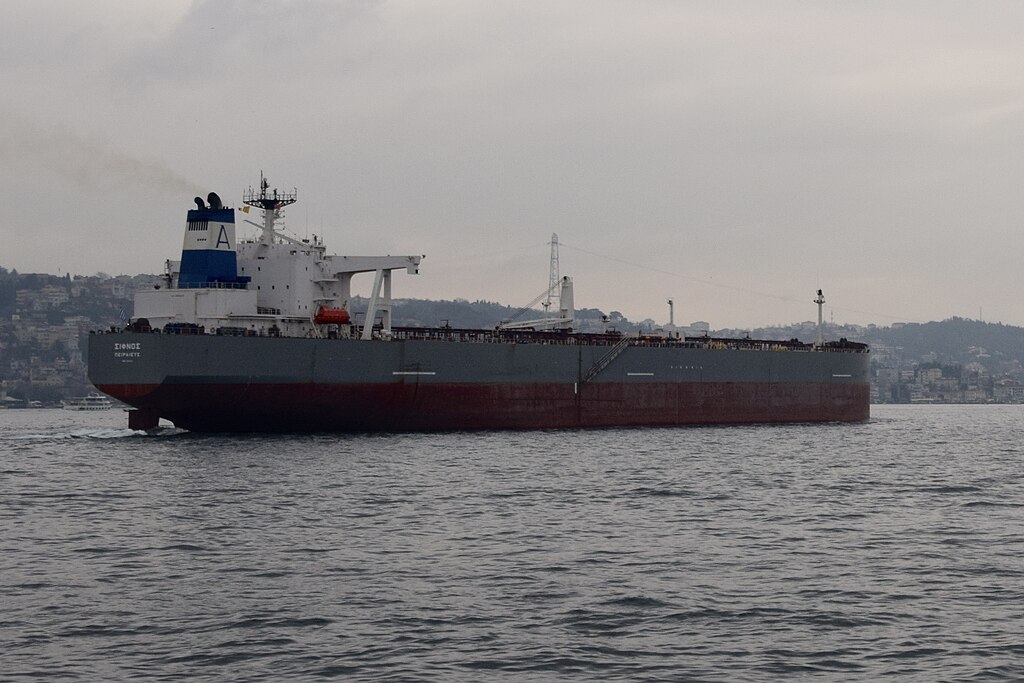
With shipping routes under threat, insurance premiums for vessels operating in the region have soared, and some shipping companies have paused or delayed voyages through the strait.
Trump has made lower fuel prices a central part of his economic messaging, particularly as Americans continue to watch gasoline prices closely.
Insurance Guarantees for Tanker Operators
In addition to potential military escorts, the administration is exploring financial measures designed to encourage tanker operators to continue shipping through the Gulf.
Trump said he instructed the U.S. International Development Finance Corporation, a government agency established in 2019 to support private investment in developing regions, to provide political risk insurance and financial guarantees for maritime trade.
The goal is to reassure shipping companies and insurers that the U.S. government is prepared to help mitigate financial risks tied to operating in a war-zone environment.
However, industry analysts remain cautious about whether insurance guarantees alone will calm markets.
War-risk premiums have already surged in recent days, and some insurers have begun reassessing their exposure to the region entirely.
As insurance costs rise, tanker operators face increasingly expensive voyages, which can ripple through global energy prices.
Military Escorts Under Consideration
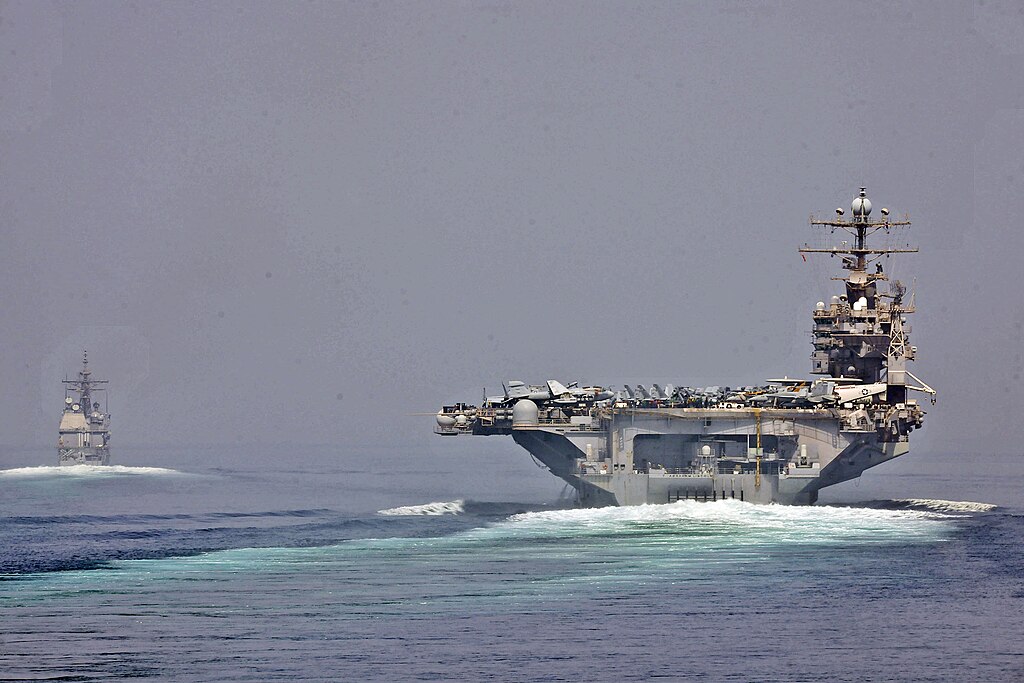
Trump’s suggestion that U.S. Navy warships could escort oil tankers recalls similar strategies used during past conflicts in the region.
During the Iran-Iraq “Tanker War” of the 1980s, the United States reflagged Kuwaiti oil tankers and provided naval escorts after attacks on shipping escalated.
Today, the U.S. Navy maintains a substantial presence in the Middle East.
As of Monday, approximately 12 U.S. warships, including an aircraft carrier, were operating in the region.
Some of those vessels are currently involved in military operations against Iranian targets and in intercepting missile threats.
Providing escorts for commercial shipping could therefore present logistical and operational challenges.
Risks of Escalation
While naval escorts could help secure shipping routes, they may also increase the risks for American forces.
Iran has previously used missiles, drones, and fast attack boats to challenge naval vessels operating in the Persian Gulf.
Analysts say U.S. escort operations could place warships directly in harm’s way if Iranian forces attempt to disrupt tanker traffic.
Shipping experts say that even with naval protection, some companies may still hesitate to send vessels into the area.
“What is more realistic is that insurance stays high, but individual operators negotiate arrangements with regional actors to secure passage,” said Rohit Rathod, a senior analyst at ship-tracking firm Vortexa.
Some vessels may attempt to continue operating while others delay shipments until tensions ease.
Additional Measures Under Review
The White House is also exploring other options to prevent a prolonged spike in energy prices.
Treasury Secretary Scott Bessent and Energy Secretary Chris Wright were expected to present Trump with additional proposals aimed at stabilizing markets and protecting domestic consumers.
One possibility under discussion is the potential use of the Strategic Petroleum Reserve, the nation’s emergency stockpile of crude oil.
The administration has been reluctant to draw from the reserve so far, but officials have indicated it could become an option if prices continue to rise.
Trump acknowledged that Americans may face short-term price increases.
“People may have to live with it for a little while,” he said earlier Tuesday. “But once this ends, those prices are going to drop, I believe, even lower than before.”
Global Markets Watching Closely
The stakes are high not only for energy markets but also for global trade and domestic politics.
If oil prices remain elevated, the impact could ripple through fuel costs, transportation prices, and inflation, all sensitive issues as the United States approaches the next congressional election cycle.
For now, shipping companies, insurers, and energy traders are closely watching how the conflict unfolds and whether the administration’s combination of military and financial measures can keep one of the world’s most critical shipping routes open.
The Strait of Hormuz has long been a geopolitical pressure point.
With tensions rising again, the global economy may soon learn how resilient that vital corridor really is.
Featured Image from: U.S. Energy Information Administration, Public domain, via Wikimedia Commons