
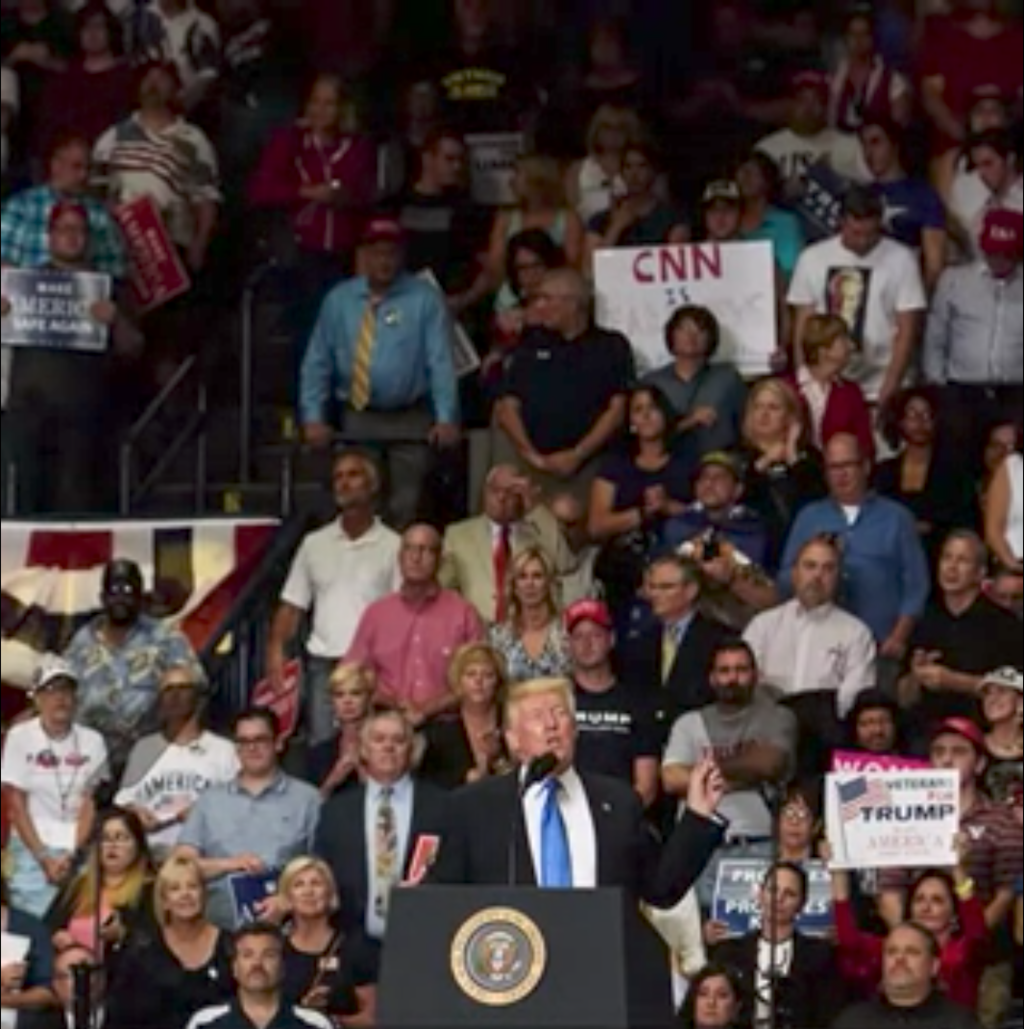
From dictators and billionaires to cultural icons, unconventional behavior may be more than a personality quirk, it may be a pathway to influence.
Donald Trump is not an exception, he’s a modern example of how unconventional behavior attracts attention, loyalty, and authority.
Power has a strange habit of gravitating toward people who don’t behave like everyone else. Few modern figures demonstrate this more clearly than Donald Trump.
Long before he entered politics, Trump stood out, not for policy expertise or ideological clarity, but for his appearance, his speech patterns, and his willingness to violate social norms without apology. His exaggerated gestures, distinctive grooming, blunt rhetoric, and rejection of conventional decorum made him instantly recognizable in a crowded media landscape.
He was, by any ordinary definition, weird.
And yet, that weirdness did not repel supporters. It attracted them.
This raises a deeper question that extends far beyond Trump himself: do people rise to power despite their unconventional behavior, or because of it?
The Pattern of Eccentric Power
Trump’s rise fits a pattern seen repeatedly throughout history. Leaders who accumulate outsized power often share a willingness to behave in ways others won’t.
Trump’s long ties, unusual speech rhythms, public feuds, and performative bravado echo a trait shared by many strongman figures: visibility through difference. Like Kim Jong-il’s cinematic obsession or Idi Amin’s theatrical self-mythology, Trump cultivated a persona that felt larger than life.
These traits were not incidental. They were strategic, whether consciously or instinctively deployed.
Merriam-Webster defines “weird” as “of strange or extraordinary character.” In politics, strangeness creates separation. It distinguishes leaders from ordinary people while simultaneously dominating attention cycles.
Trump understood this instinctively. He spoke in ways no other major politician would. He insulted rivals openly. He violated norms that had long governed political behavior, and did so publicly.
The result was constant visibility.
Weirdness as Political Branding
For Trump, unconventional behavior became a form of branding.
His speech patterns were simple, repetitive, and exaggerated, easy to imitate and instantly recognizable. His appearance became iconic. His mannerisms were memeable. Supporters could spot him from a silhouette alone.
This is not accidental. In personality-driven movements, recognizability is power.
Weirdness sends a signal: the rules do not apply here.
Trump’s refusal to follow political etiquette, whether in debates, press conferences, or social media, communicated defiance. For critics, it was alarming. For supporters, it signaled strength, authenticity, and independence from elite norms.
In this way, unconventional behavior did not undermine Trump’s authority. It reinforced it.
Power, Attention, and the Brain
Psychologists have long studied how power affects behavior, and Trump’s presidency offers a real-time illustration of these dynamics.
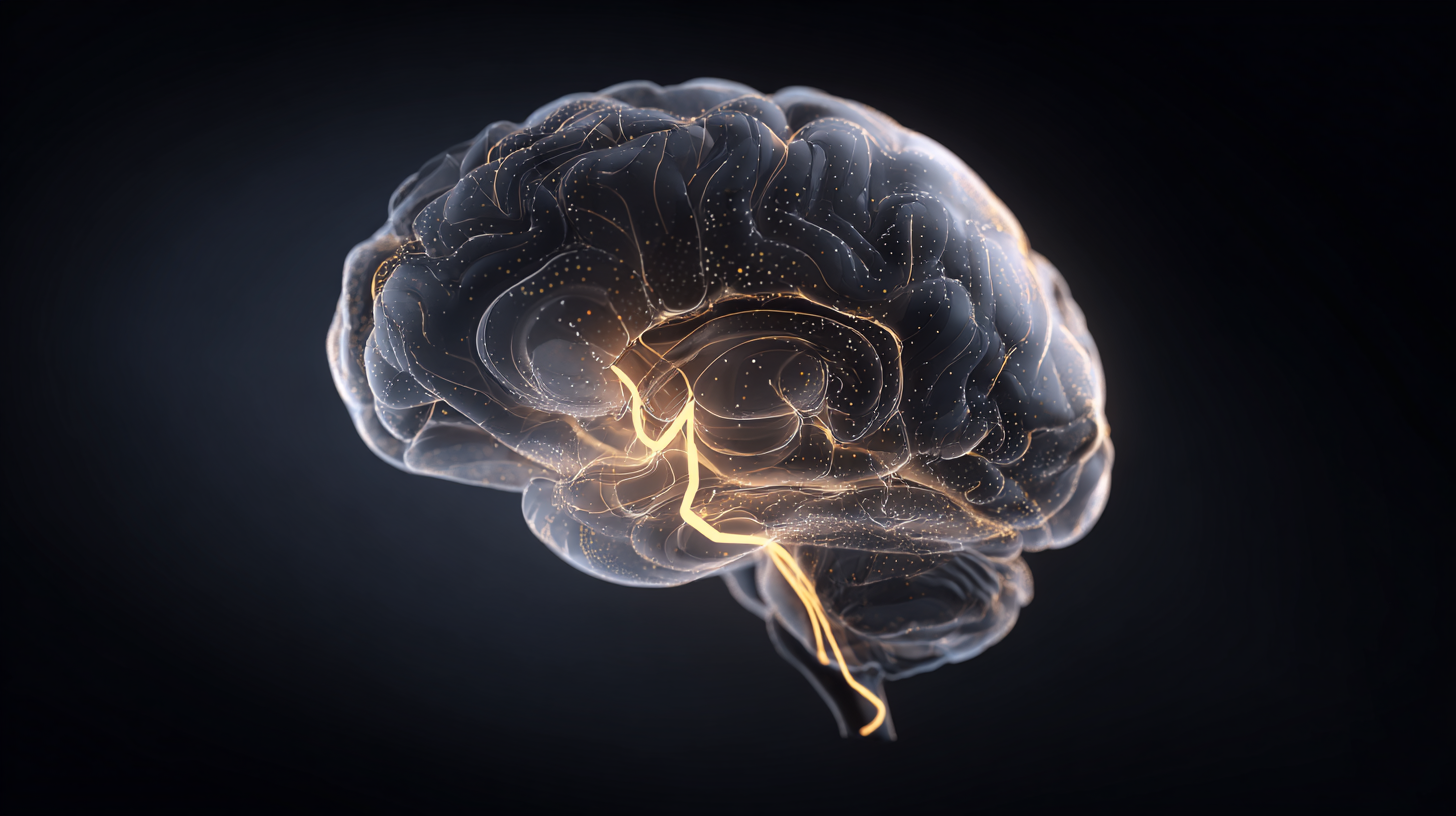
Research suggests that power alters brain chemistry, particularly in areas linked to empathy, impulse control, and risk assessment. Dacher Keltner, a psychology professor at UC Berkeley, has argued that power reduces social awareness while increasing self-focus and impulsivity.
As Trump gained political power, his behavior did not become more restrained. It became more exaggerated.
This aligns with neurological research showing that power activates dopamine pathways, the brain’s reward system. The attention, validation, and dominance associated with leadership create a feedback loop. The more power one experiences, the more one seeks it.
Unfiltered behavior becomes normalized.
The Dark Triad and Modern Leadership
Trump has frequently been analyzed through the lens of the “Dark Triad” of personality traits: narcissism, Machiavellianism, and psychopathy.
While only clinical evaluation can diagnose individuals, psychologists note that many successful leaders score higher than average on traits like fearlessness, dominance, and reduced sensitivity to criticism.
Oxford psychologist Kevin Dutton has argued that these traits can be advantageous in competitive environments. Trump’s willingness to say what others wouldn’t, take extreme rhetorical risks, and remain emotionally detached from backlash aligns with this profile.
What matters is not the presence of these traits, but whether they are constrained.
In systems with strong institutions, eccentric leaders are checked. In systems where norms erode, those traits can escalate.
When Weirdness Is Harmless, and When It Isn’t
Not all unconventional figures are dangerous. Innovators and creatives often rely on nonconformity.
What distinguishes Trump from eccentric scientists or artists is scale and consequence.
Nikola Tesla’s obsessions affected his own life. Trump’s behavior affected democratic institutions, international relations, and public trust. The difference is not personality, it is power.
Weirdness paired with creativity can drive innovation.
Weirdness paired with political authority reshapes society.

Why Trump’s Weirdness Worked
Trump’s unconventional behavior made him impossible to ignore. In a media environment driven by outrage and novelty, norm-breaking behavior commands coverage.
Humans are drawn to difference. We remember what stands out. Trump’s weirdness cut through political noise and simplified complex narratives into spectacle.
For supporters, his behavior signaled authenticity. For opponents, it fueled constant attention. Either way, the focus remained on him.
In the modern attention economy, visibility is leverage.
Did Power Change Trump, or Reveal Him?
Trump’s rise suggests a feedback loop rather than a simple cause-and-effect.
His unconventional behavior helped him gain attention and political momentum. Once in power, the psychological effects of authority amplified those traits. Norms weakened. Impulses faced fewer consequences.
Power did not invent Trump’s weirdness.
It removed the barriers that once constrained it.
The Larger Lesson
Donald Trump is not an anomaly. He is a contemporary example of a recurring historical pattern.
Unconventional behavior can be a shortcut to influence. Distinctiveness attracts followers. Norm-breaking creates loyalty and outrage in equal measure.
The danger is not weirdness itself.
The danger is weirdness without restraint.
History’s most disruptive leaders were not defined by their eccentricities, but by the absence of limits placed on them.
Being weird can make you visible.
Power determines what that visibility becomes.
Featured Image from: Office of the President of the United States, Public domain, via Wikimedia Commons