
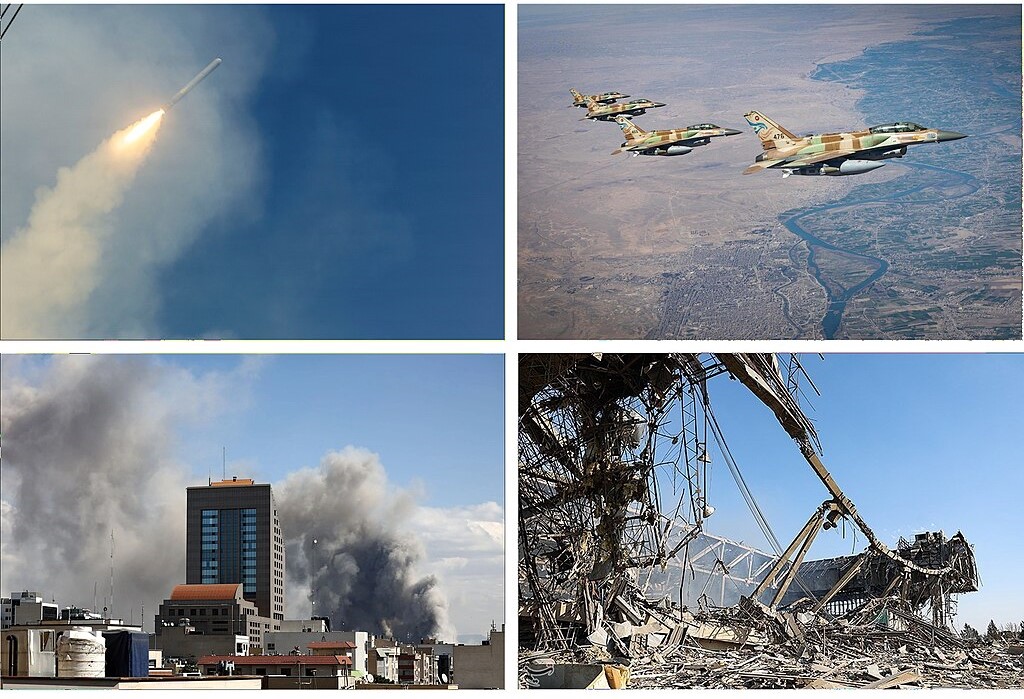
Demonstrators accuse Washington of fueling another war as conflict with Iran escalates
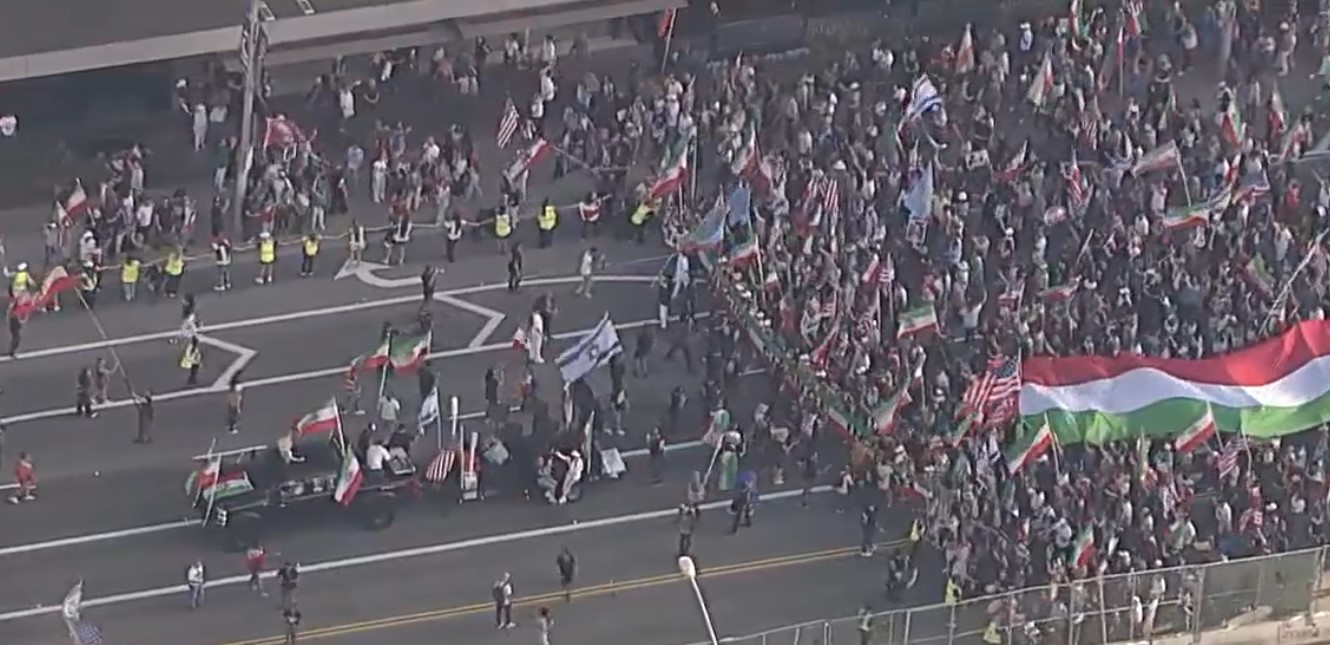
Dozens of demonstrators gathered outside Los Angeles City Hall this week to protest the United States’ military strikes on Iran, with speakers condemning the conflict and urging nationwide opposition to what they called another American war in the Middle East.
The protest came days after joint U.S. and Israeli strikes killed Iran’s Supreme Leader Ayatollah Ali Khamenei along with several senior Iranian officials, escalating tensions across the region.
As chants echoed through downtown Los Angeles, protesters linked the Iran conflict to broader frustrations with U.S. foreign policy and domestic priorities.
“Money for jobs and education, not for bombs and deportation,” demonstrators chanted.
“Free Palestine,” others shouted.
Many at the gathering said the military operation reflects what they see as a pattern of American involvement in overseas conflicts while domestic issues remain unresolved.
Protesters Voice Opposition to U.S. Military Action
The demonstration, held on March 2, brought together activists from several organizations including the Party for Socialism and Liberation (PSL) and the Act Now to Stop War and End Racism (ANSWER) Coalition.
Speakers at the rally criticized the decision to carry out military strikes in Iran and questioned the administration’s justification for the operation.
President Donald Trump has defended the strikes, arguing they were necessary to neutralize a growing nuclear threat and protect U.S. allies in the region.
Protest organizers, however, rejected that argument.
Kameron Hurt, an organizer with PSL Los Angeles, told the crowd the conflict represents what he described as a war driven by political and economic interests rather than national security.
“We have to remember this is yet another rich man’s war,” Hurt said. “Donald Trump doesn’t have to go fight in that war. His sons don’t have to go fight in that war. He wants to send your brothers, your sisters, your community to go fight that war.”
Calls for Nationwide Demonstrations
Several speakers urged attendees to expand the protest movement beyond Los Angeles.
Bert Voorhees, a 70-year-old protester, told the crowd the conflict reflects a critical moment in American politics.
“If people don’t stand up and get loud about this, all together right now, we’re not going to have a country,” he said. “So it’s time for people to get serious, get in the streets.”
Voorhees called for broader national action and suggested Americans should organize large-scale demonstrations.
“I think it’s time for a national strike,” he said.
Organizers also encouraged people to participate in additional protests planned for March 7, coordinated by national anti-war groups.
Iranian-American Voices Join the Debate
Southern California is home to one of the largest Iranian communities outside Iran, and reactions within that community have been mixed.
At the protest, Aida Ashouri, who is running for Los Angeles City Attorney and described herself as an Iranian immigrant, spoke about the emotional toll the conflict is having on many in the diaspora.
She said many immigrants living in the United States have experienced war or political turmoil in their home countries.
“That’s why we are a nation of immigrants and exiles and refugees,” Ashouri said. “We have been uprooted from our own home country, coming here.”
Ashouri described the bombing campaign in Iran as a “nightmare” for families with relatives still living in the region.
However, not all Iranian Americans share the same perspective. Some members of the community have supported the military operation, viewing it as a potential step toward weakening Iran’s ruling regime.
Political Debate Intensifies
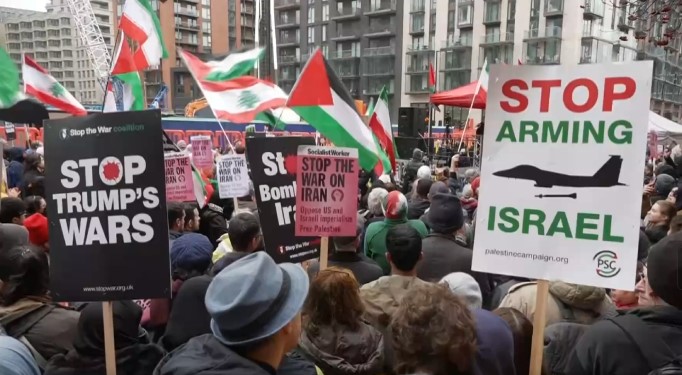
The protest also highlighted broader political tensions surrounding the expanding conflict.
Critics argue that launching military action without explicit Congressional authorization raises constitutional concerns.
Others worry the situation could escalate into another prolonged war in the Middle East.
Already, U.S. officials have confirmed that six American service members have been killed since the conflict began.
President Trump has warned that the military campaign could continue for several weeks, depending on developments on the ground.
At the same time, supporters of the operation argue that the strikes were necessary to weaken Iran’s military capabilities and prevent further threats to U.S. allies.
A Divided Moment
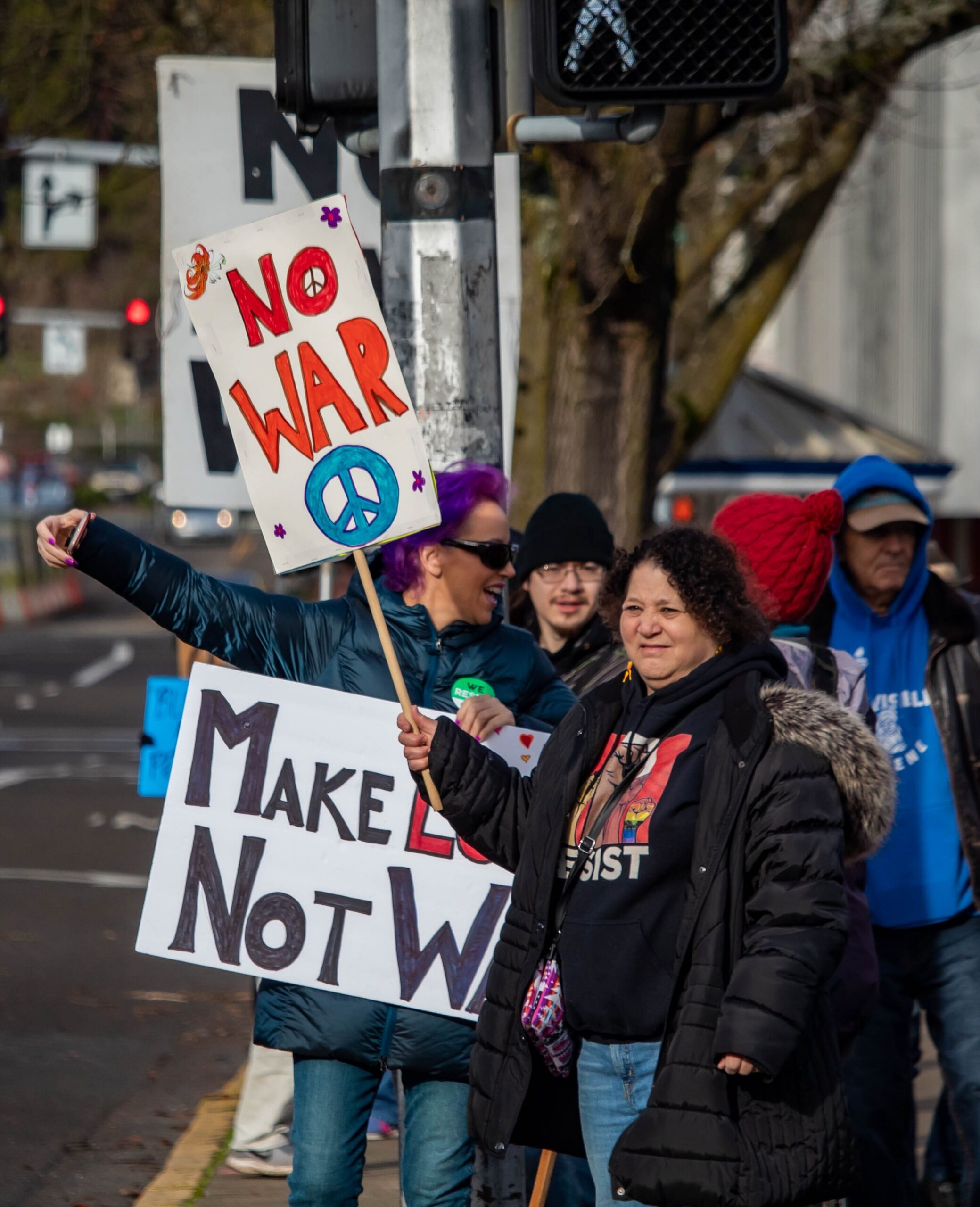
For many protesters gathered in Los Angeles, the conflict represents more than a geopolitical dispute.
They see it as part of a larger debate about how the United States uses its military power and how national resources should be allocated.
Speakers repeatedly linked foreign policy decisions to domestic challenges, including economic inequality and social services.
“Money for another war, but not enough to feed the poor?” one chant echoed through the crowd.
Whether protests like the one in Los Angeles grow into a broader movement remains uncertain.
But as tensions in the Middle East continue to rise, the debate over the United States’ role in the conflict is likely to intensify.
Featured image from: IDF Spokesperson’s Unit, Public domain, via Wikimedia Commons