
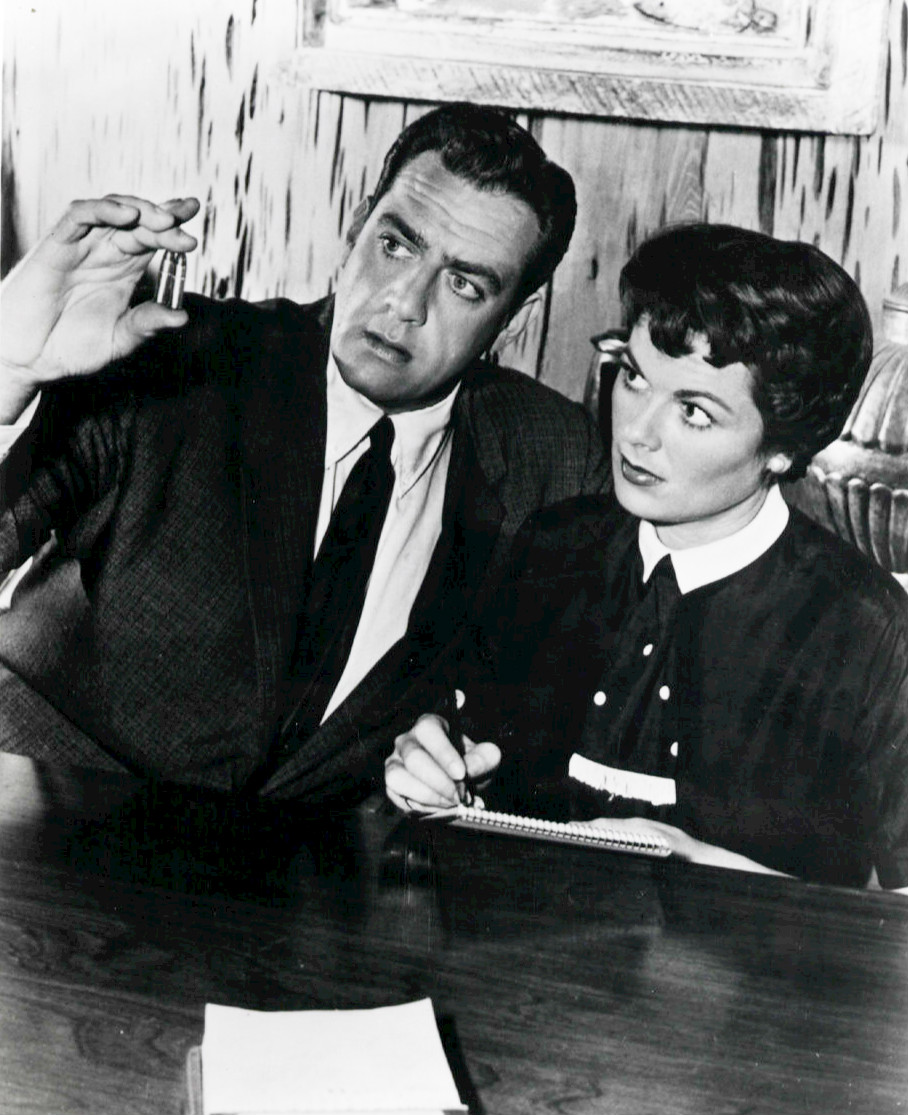
Raymond Burr built a career on courtroom certainty. As Perry Mason, he stood for truth, logic, and airtight conclusions. Off screen, however, Burr lived very differently. His real life was marked by contradictions, fabrications, and carefully maintained myths, some small, others elaborate enough to last decades. Separating fact from fiction in Burr’s story is no easy task, because the man himself made sure the lines stayed blurred.
Burr was born William Raymond Stacy Burr on May 21, 1917, in New Westminster, British Columbia. On paper, his beginnings were unremarkable. His father sold hardware. His mother taught piano. There was no early fame, no inherited wealth, and no dramatic Hollywood lineage. Yet even this seemingly simple origin would soon be surrounded by questionable details as Burr aged and began reshaping his personal history.
During childhood, Burr claimed his family relocated to China after his father changed careers. Biographers have largely accepted this account, though documentation is thin. What is certain is that the family eventually returned to Canada, and Burr’s parents separated when he was still very young. His mother moved the children to California, leaving Burr with limited contact with his father. That fracture, quiet but formative, set the stage for a life spent constructing alternative narratives.
Burr later said he left school at 12 to work as a ranch hand in New Mexico during the Great Depression, insisting people mistook him for an adult because of his size. Other accounts place him in Vancouver theater programs at the same time, while still others claim he completed high school in Berkeley. The timelines do not align. Burr, at various points, seemed to be everywhere at once.
What can be verified is that by the late 1930s, Burr was studying acting at the Pasadena Playhouse. He worked steadily in radio, where his imposing build was invisible and his deep, commanding voice was an asset. On stage and screen, however, his size limited him. Hollywood rarely cast him as a romantic lead. Instead, Burr became a fixture of film noir, playing intimidating villains, corrupt officials, and looming authority figures.
Though the work was steady, Burr resented it. He later referred to himself as the “fat heavy,” frustrated that he was cast as men far older than he was and denied roles with emotional or romantic payoff. His characters rarely won affection. More often, women recoiled from him. That professional reality fed directly into his insecurities and shaped how he saw himself.
In the mid-1950s, Burr stumbled into one of the most unusual roles of his career. When the Japanese film Godzilla was reworked for American audiences, producers inserted Burr into the movie as a Western journalist. Burr later embellished the experience wildly, claiming he worked nonstop for 24 hours or spent months in Japan preparing for the role. In reality, filming took several days on recreated sets in the United States. Still, Burr genuinely enjoyed the project and remained proud of it, even returning decades later for Godzilla 1985.
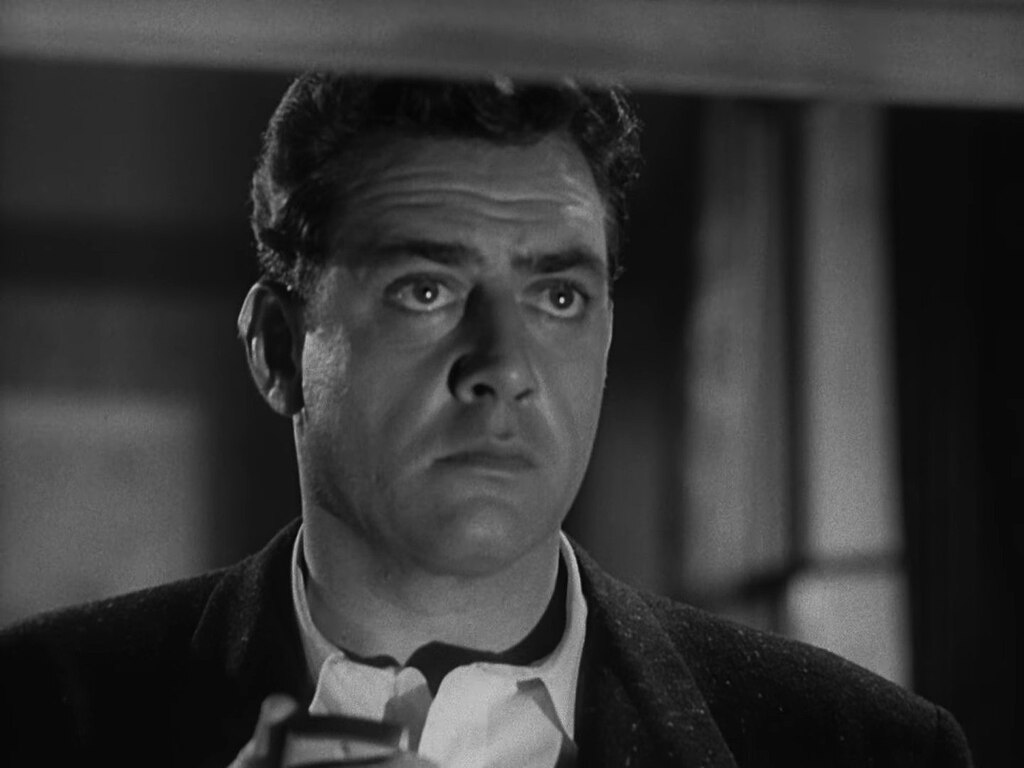
Everything changed when Burr auditioned for a legal drama based on Erle Stanley Gardner’s novels. He initially read for a supporting role, but producers quickly realized he was right for the lead. Before landing the part, Burr was asked to lose weight. He crash-dieted, returned noticeably slimmer, and won over Gardner himself. Perry Mason premiered in 1957 and became a cultural phenomenon, drawing tens of millions of viewers each week.
With fame came scrutiny. Audiences wanted to know who Raymond Burr really was. Burr responded by offering answers, too many of them. He spoke of a brief marriage to actress Isabella Ward, which appears to have been real. Then he added a second wife who supposedly died in a plane crash. He invented a son who later died of leukemia. Each story was designed to explain his single life and deflect attention from questions he did not want asked.
As reporters probed, the stories grew more detailed and more fragile. Dates conflicted. Records failed to exist. Burr developed a stock response, “I don’t discuss that”, but he could not resist adding new layers to the fiction. He even described a cross-country trip taken with his dying son, a journey that colleagues later confirmed never happened.
The motivation behind these lies eventually became clear. Burr was gay, and he was working in an era when that truth could end a career overnight. Hollywood demanded heterosexual images, and Burr complied by manufacturing them. Fake wives, tragic deaths, and imaginary children became shields against exposure.
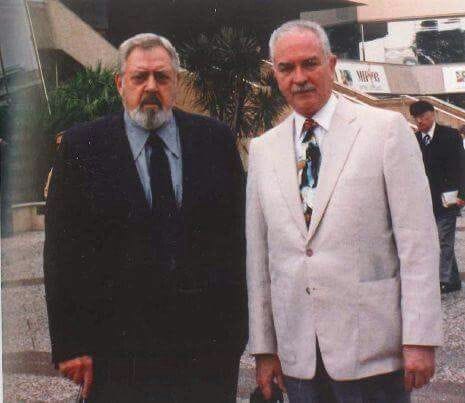
In the early 1960s, Burr met Robert Benevides, a young actor who initially delivered a script to Burr’s dressing room. The two formed a bond that lasted the rest of Burr’s life. They lived together, traveled together, and were widely understood among friends as a couple. Publicly, Burr referred to Benevides as a business partner or assistant. Together, they even launched a winery, reinforcing the professional explanation for their closeness.
Despite constant rumors, Burr was largely protected by powerful allies. Gossip columnist Hedda Hopper, known for exposing scandals, chose to shield him. When threatened with exposure by a former lover, Hopper privately warned Burr and promised to stand by him. That protection allowed Burr to continue working uninterrupted.
Burr moved from Perry Mason directly into another hit series, Ironside, once again playing a figure of authority. Work became both refuge and excuse. As long as Burr was busy, no one questioned why he never remarried. Even when Ironside ended, he returned to the Mason role in a long-running series of made-for-TV movies that kept him in the public eye well into the 1980s.
Burr died in 1993 from cancer. In his final days, he hosted farewell gatherings for friends and colleagues. After his death, his will revealed what many already suspected. Burr left his entire estate to Robert Benevides, excluding most of his biological family. Attempts to contest the will failed.
In retrospect, Raymond Burr’s life reads like a study in survival. His lies were not harmless, and some were deeply unsettling. Yet they were also shaped by fear, professional risk, and a Hollywood system that punished honesty. The man who played television’s most dependable seeker of truth spent his own life hiding it, carefully, consistently, and until the very end.
Featured Image from: CBS Television, Public domain, via Wikimedia Commons