
Justices across the ideological spectrum question legality of a policy that could redefine who is considered American
A rare moment unfolded inside the U.S. Supreme Court.
A sitting president in the room.
A constitutional question that could reshape the definition of citizenship.
And justices from both sides of the bench signaling skepticism.
During oral arguments, the Supreme Court appeared deeply uncertain about President Donald Trump’s executive order seeking to restrict birthright citizenship, a move that could challenge more than a century of legal precedent.
A Historic Appearance, and a High-Stakes Case
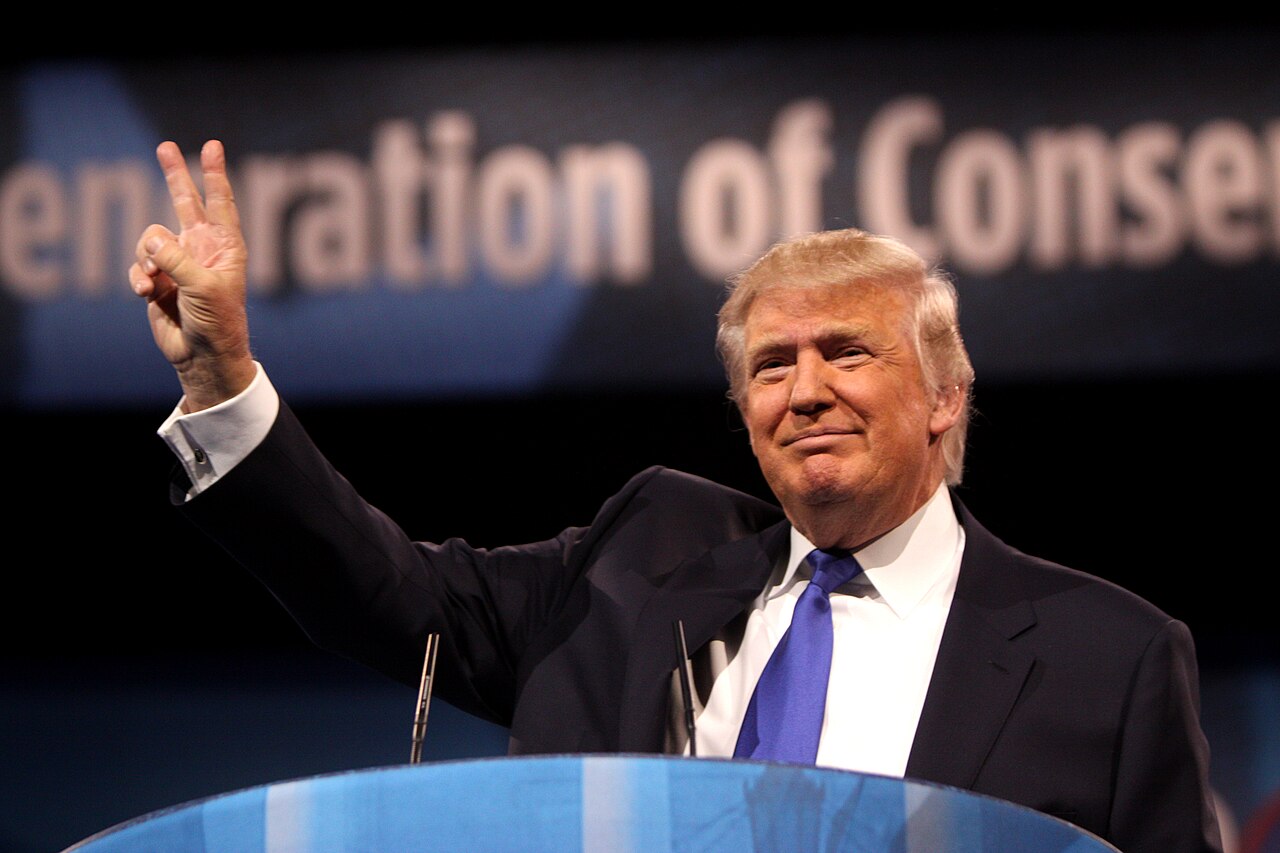
President Trump attended the hearing in person, becoming the first sitting president known to observe Supreme Court oral arguments.
He sat in the front row as his administration’s legal team defended one of its most consequential immigration policies.
The order in question would deny automatic U.S. citizenship to children born on American soil if their parents are neither citizens nor lawful permanent residents.
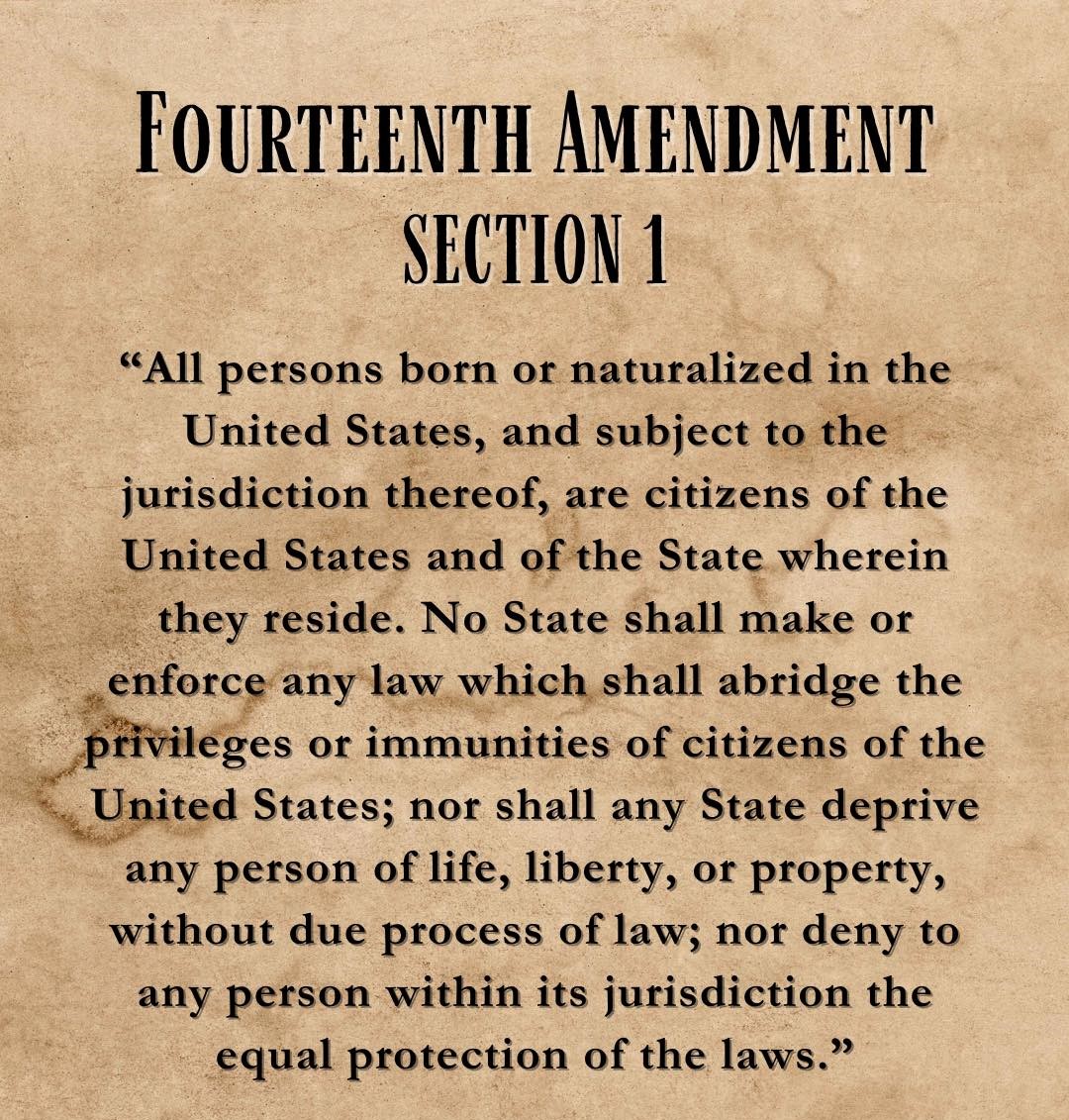
That position directly challenges the long-standing interpretation of the 14th Amendment, which has traditionally guaranteed citizenship to nearly all individuals born in the United States.
Justices Push Back on Legal Logic
Throughout more than two hours of arguments, justices across ideological lines pressed the administration’s lawyer on the legal foundation of the policy.
Chief Justice John Roberts, often seen as a key swing voice, questioned the logic behind expanding narrow historical exceptions, such as children of diplomats, into a broad rule affecting millions.
“I’m not quite sure how you can get to that big group from such tiny examples,” Roberts said.
Other justices raised similar concerns.
Justice Elena Kagan challenged the administration’s reliance on what she described as “obscure sources,” suggesting the interpretation of the Constitution being presented did not align with its text.
Even some conservative justices appeared uneasy.
Justice Neil Gorsuch questioned whether the administration’s argument could be reconciled with long-standing precedent.
Justice Amy Coney Barrett raised practical concerns about how such a policy would even be enforced, especially at the moment of a child’s birth.
Together, the exchanges painted a clear picture:
This is not a case with easy answers.
The Core Constitutional Debate
At the center of the case is a single phrase in the 14th Amendment:
“All persons born or naturalized in the United States, and subject to the jurisdiction thereof, are citizens…”
For more than a century, courts have interpreted that language broadly.
The landmark 1898 case United States v. Wong Kim Ark affirmed that children born in the U.S. are citizens, even if their parents are foreign nationals.
The Trump administration is now arguing for a narrower interpretation.
Its legal team claims that “subject to the jurisdiction thereof” excludes children of undocumented immigrants or those in the country temporarily.
Critics argue that interpretation contradicts both the historical context of the amendment and established precedent.
Practical Challenges Raise Red Flags
Beyond constitutional theory, the justices also focused on how the policy would work in practice.
Questions emerged quickly:
How would the government determine a parent’s immigration status at birth?
What happens if parents’ identities or legal status are unclear?
Would hospitals or states be responsible for verifying citizenship eligibility?
Justice Barrett pointed out that even determining a parent’s intent to remain in the U.S. could be nearly impossible in real time.
Justice Gorsuch raised concerns about creating a system that would require case-by-case determinations for every birth.
Those logistical questions appeared to complicate the administration’s argument even further.
Potential Impact Could Be Massive
If upheld, the policy could have far-reaching consequences.
Estimates suggest that hundreds of thousands of babies each year could be affected.
Families could be required to prove citizenship status at birth.
And the legal definition of who qualifies as an American citizen could shift dramatically.
Supporters of the policy argue that it would reduce incentives for illegal immigration and address concerns like “birth tourism.”
Critics warn it could create a new class of stateless individuals and undermine a foundational principle of American law.
A Broader Pattern of Tension
The case comes amid ongoing tension between the Trump administration and the Supreme Court.
Trump has publicly criticized justices, including some he appointed, over past rulings, adding a political layer to an already high-stakes legal battle.
At the same time, the Court has shown willingness to support certain immigration policies while pushing back on others.
That makes this case particularly unpredictable.
What Happens Next
The Supreme Court is expected to issue a ruling by the end of June.
That decision could either:
Reaffirm the traditional understanding of birthright citizenship
Or open the door to one of the most significant shifts in constitutional interpretation in decades
Either outcome will have lasting consequences.
The Bottom Line
What unfolded inside the Supreme Court wasn’t just a legal argument.
It was a fundamental debate over identity, law, and the meaning of citizenship.
The justices’ skepticism suggests that the administration faces an uphill battle.
But the final decision is still ahead.
And when it comes, it could redefine what it means to be born American.
Featured Image from: Gage Skidmore from Peoria, AZ, United States of America, CC BY-SA 2.0, via Wikimedia Commons