
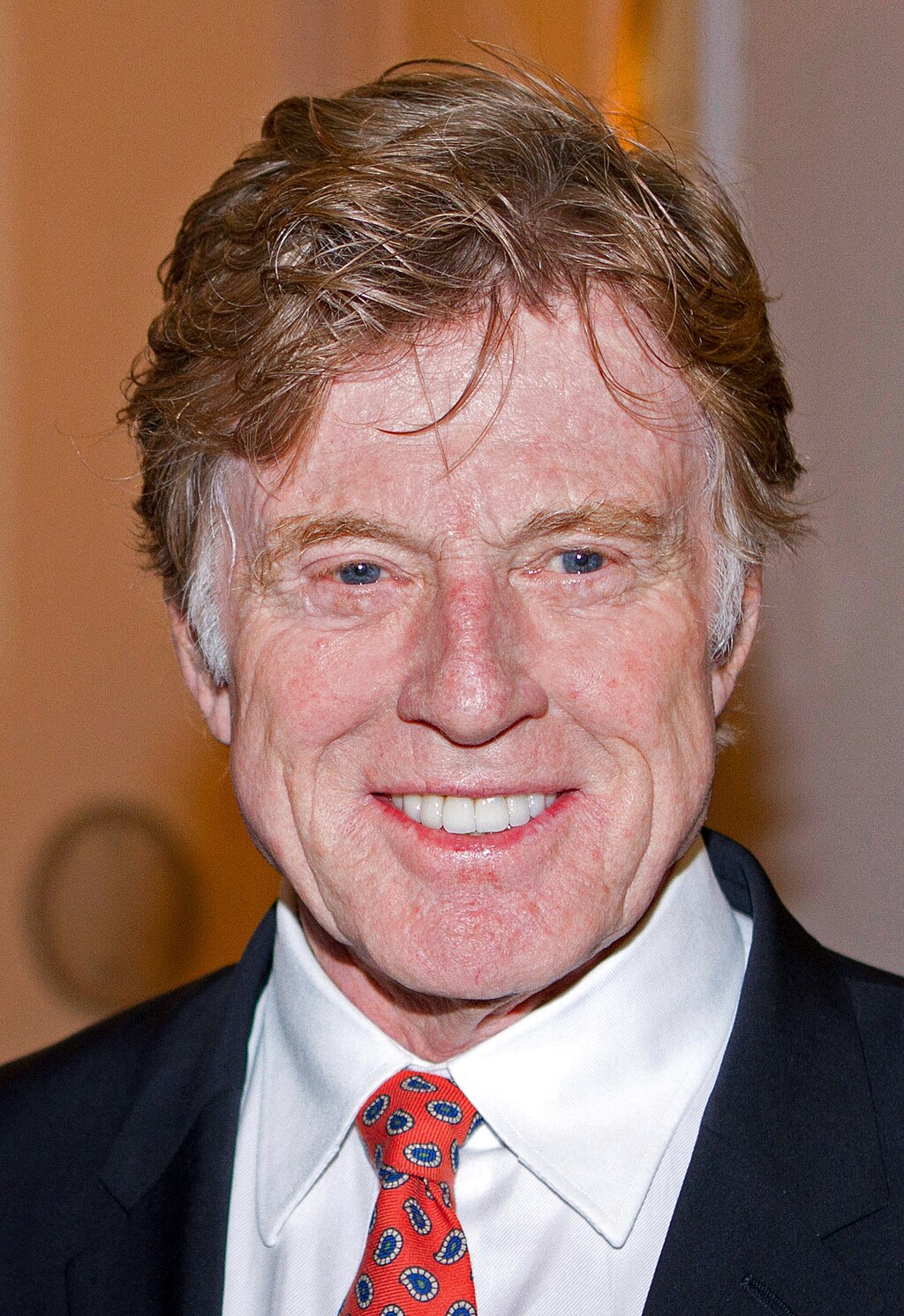
From movie star to movement maker, Redford’s legacy endures in every independent voice he helped bring to the screen.
A Visionary Who Changed the Movies Forever
Robert Redford, the actor who turned his movie-star fame into a movement for artistic freedom and independent storytelling, has died at 89.
According to a family spokesperson, Redford passed away peacefully at his home in Utah, surrounded by loved ones.
Beloved for his golden-era charm and quiet conviction, Redford was far more than a Hollywood idol. Through the Sundance Film Festival, he helped redefine American cinema, opening the door for generations of filmmakers whose stories might otherwise have been left untold.
“He redefined what success in Hollywood could look like,” said Tiffany Duersch, a spokesperson for the Sundance Institute. “Bob didn’t just act in great films, he built a culture that believed art and independence belong together.”
The Birth of Sundance and the Indie Revolution
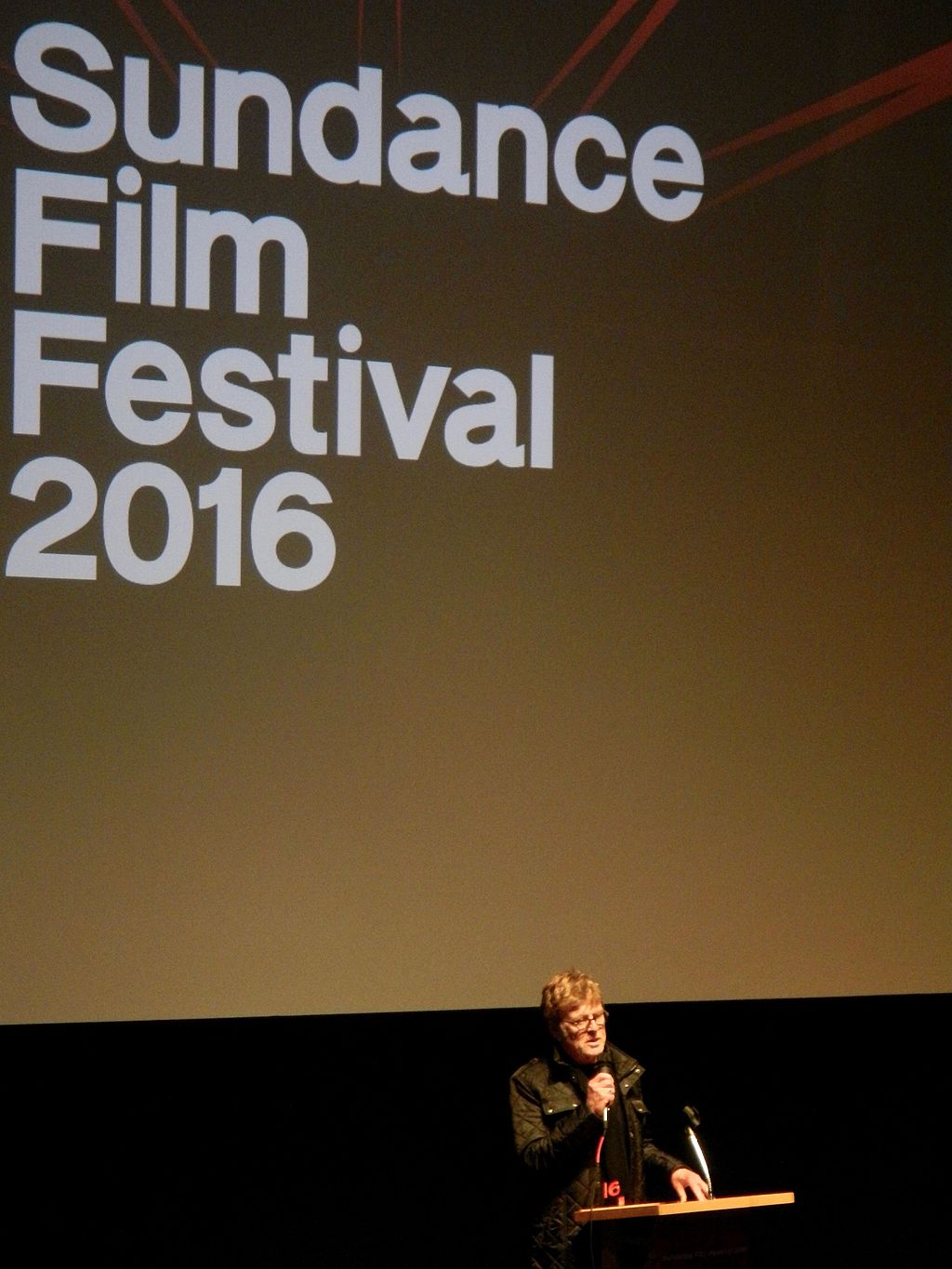
In 1981, Redford founded the Sundance Institute on a piece of land near his home in the mountains of Utah. His vision was simple but radical: to give filmmakers outside the studio system a place to experiment, fail, and grow.
That small workshop became the Sundance Film Festival, a gathering that would launch the careers of storytellers such as Quentin Tarantino, Steven Soderbergh, Chloé Zhao, Ryan Coogler, and Gina Prince-Bythewood.
At a time when Hollywood was dominated by sequels and spectacle, Redford’s festival became a beacon for creativity and truth. By the 1990s, “Sundance” had become synonymous with independent cinema itself, a shorthand for authenticity, risk-taking, and artistic courage.
“I saw stories out there that weren’t being told,” Redford once said. “Sundance was a place to protect them.”
A Star Who Chose Substance Over Stardom
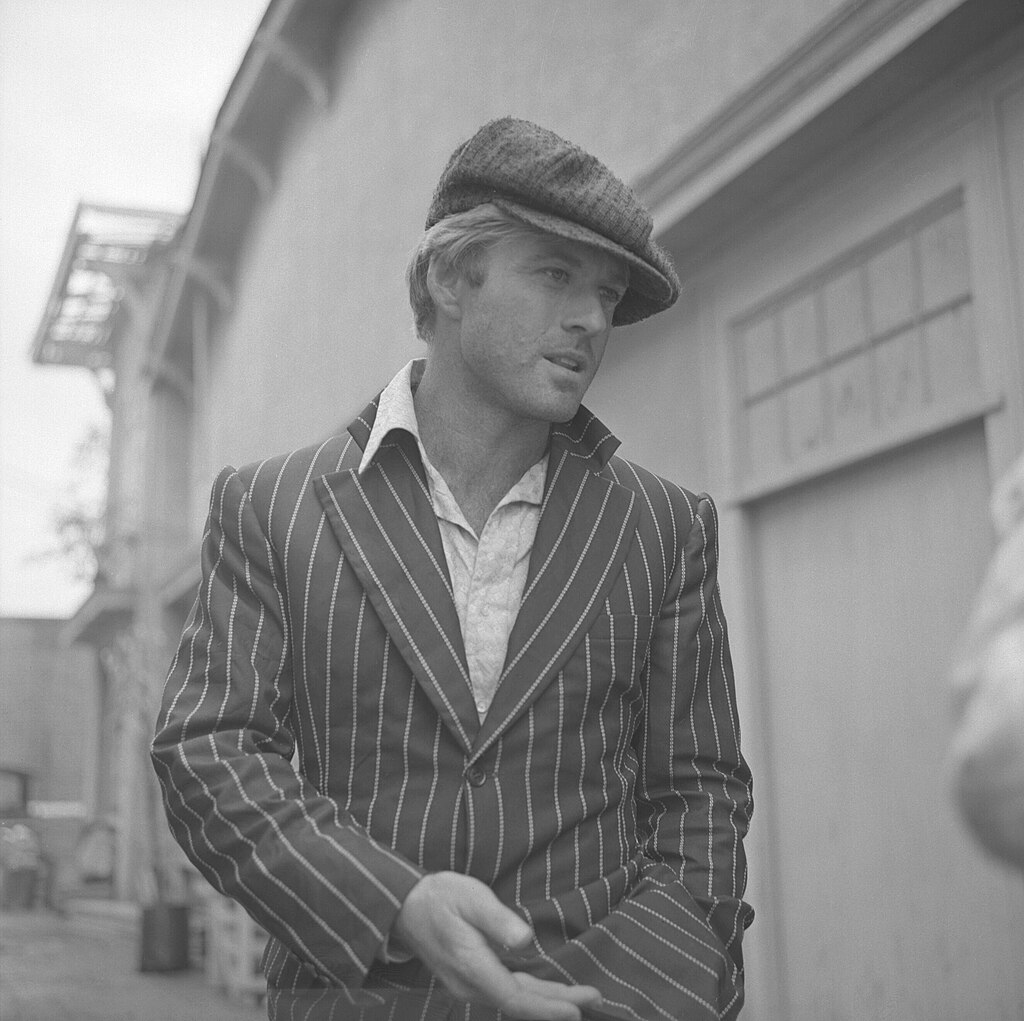
Born Charles Robert Redford Jr. on August 18, 1936, in Santa Monica, California, he grew up in a modest household that valued hard work and honesty. After leaving the University of Colorado, he spent time traveling through Europe before training as an actor at the American Academy of Dramatic Arts in New York.
He rose to fame in the late 1960s and 1970s with performances that balanced charisma with conscience, Barefoot in the Park (1967), Butch Cassidy and the Sundance Kid (1969), The Sting (1973), The Way We Were (1973), and All the President’s Men (1976). Each role deepened his reputation as an actor who embodied integrity and complexity.
But Redford’s curiosity led him behind the camera. His directorial debut, Ordinary People (1980), earned him an Academy Award for Best Director, revealing a filmmaker as nuanced and empathetic as the characters he once portrayed.
The Medal, The Movement, and The Man
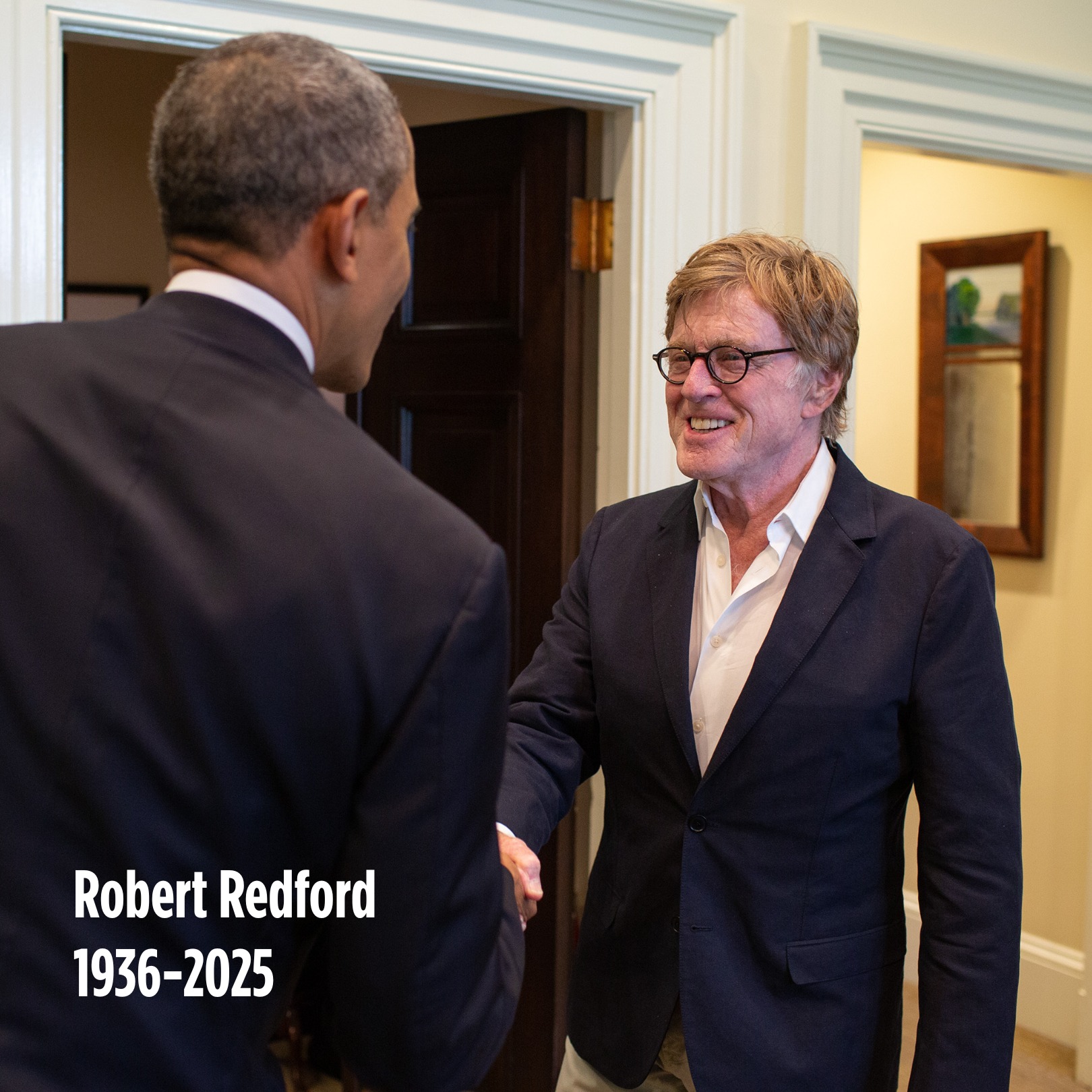
In 2016, President Barack Obama awarded Redford the Presidential Medal of Freedom, honoring not just his contributions to cinema, but also his environmental advocacy and cultural leadership.
“We admire Bob not just for his remarkable acting,” Obama said at the ceremony, “but for having figured out what to do next.”
Even after announcing his retirement from acting in 2019, Redford continued to guide Sundance and advocate for environmental causes. His final screen appearances, The Old Man & the Gun (2018) and a brief cameo in Avengers: Endgame (2019), reflected the same wit, grace, and quiet rebellion that defined his life’s work.
Redford is survived by his wife, Sibylle Szaggars, daughters Shauna and Amy, and seven grandchildren.
A Legacy That Outshines Stardom
Few figures bridged the gap between Hollywood glamour and independent spirit the way Robert Redford did. He didn’t just change how films were made, he changed why they were made.
Through Sundance, he gave generations of filmmakers the freedom to dream without permission.
Through his performances, he showed audiences the beauty of sincerity.
His light may have dimmed, but its glow endures, on every screen, in every story, and in every artist who still believes that cinema can change the world.
Featured Image from: U.S. Embassy photographer JP Evans, Public domain, via Wikimedia Commons