
Partial reopening of key oil route eases global pressure, but targeted restrictions raise new risks for energy markets
Iran has announced a partial reopening of the Strait of Hormuz, one of the world’s most critical oil shipping routes, but with a major condition that could reshape global trade.
According to Iran’s foreign minister, ships from the United States, Israel, and their allies are still banned from passing through the strait, even as other countries are now allowed to resume transit.
“The strait is open to our friends. It is closed to our enemies,” the foreign minister said, outlining what appears to be a selective blockade rather than a full reopening.
The move signals a new phase in the ongoing conflict, where economic pressure and strategic control of global trade routes are becoming central tools.
A Vital Global Chokepoint
The Strait of Hormuz, a narrow waterway between Iran and Oman, is one of the most important shipping lanes in the world.
Roughly 20% of global oil supply passes through the strait, making it a critical artery for energy markets.
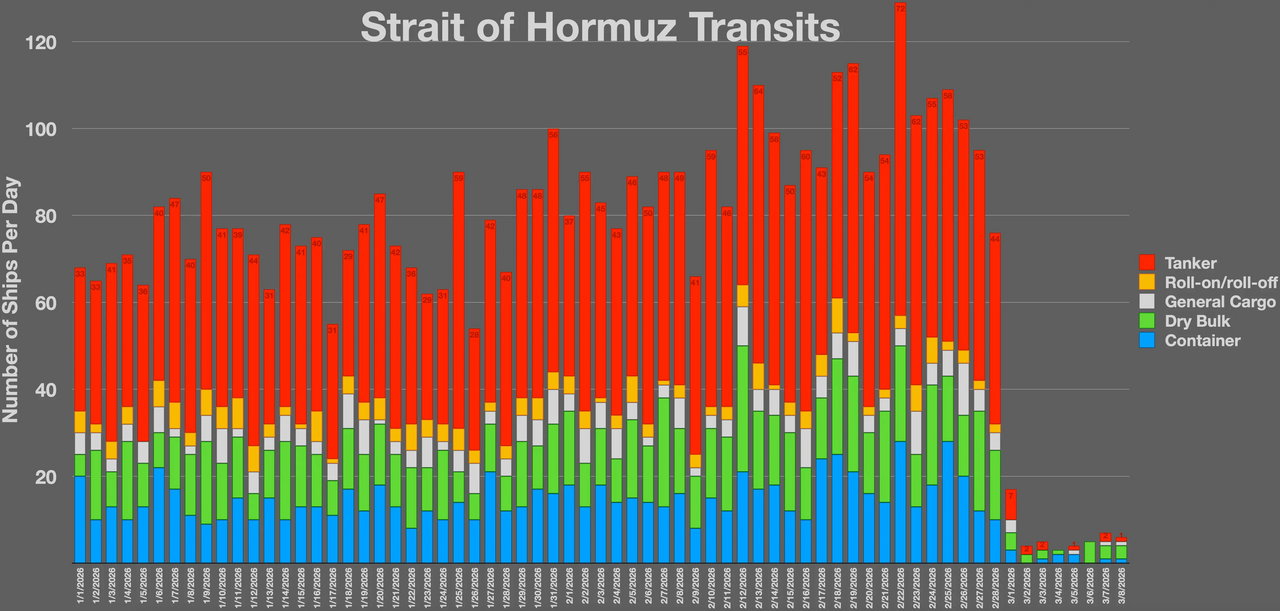
When Iran effectively closed the strait two weeks ago, the impact was immediate:
- Global shipping slowed dramatically
- Oil tankers were stranded across the Gulf
- Energy exports from key producers were disrupted
Major shipping companies, including Maersk, paused operations in the region due to safety concerns.
Countries heavily dependent on the route, such as Saudi Arabia, Kuwait, and Qatar, were forced to scale back exports as shipments became impossible.
Global Energy Supply Disrupted
The closure of the strait triggered a ripple effect across global energy markets.
Saudi Arabia and Kuwait reportedly reduced oil output because they could not transport shipments out of the Gulf.
Qatar, one of the world’s largest exporters of liquefied natural gas, saw exports come to a near standstill.
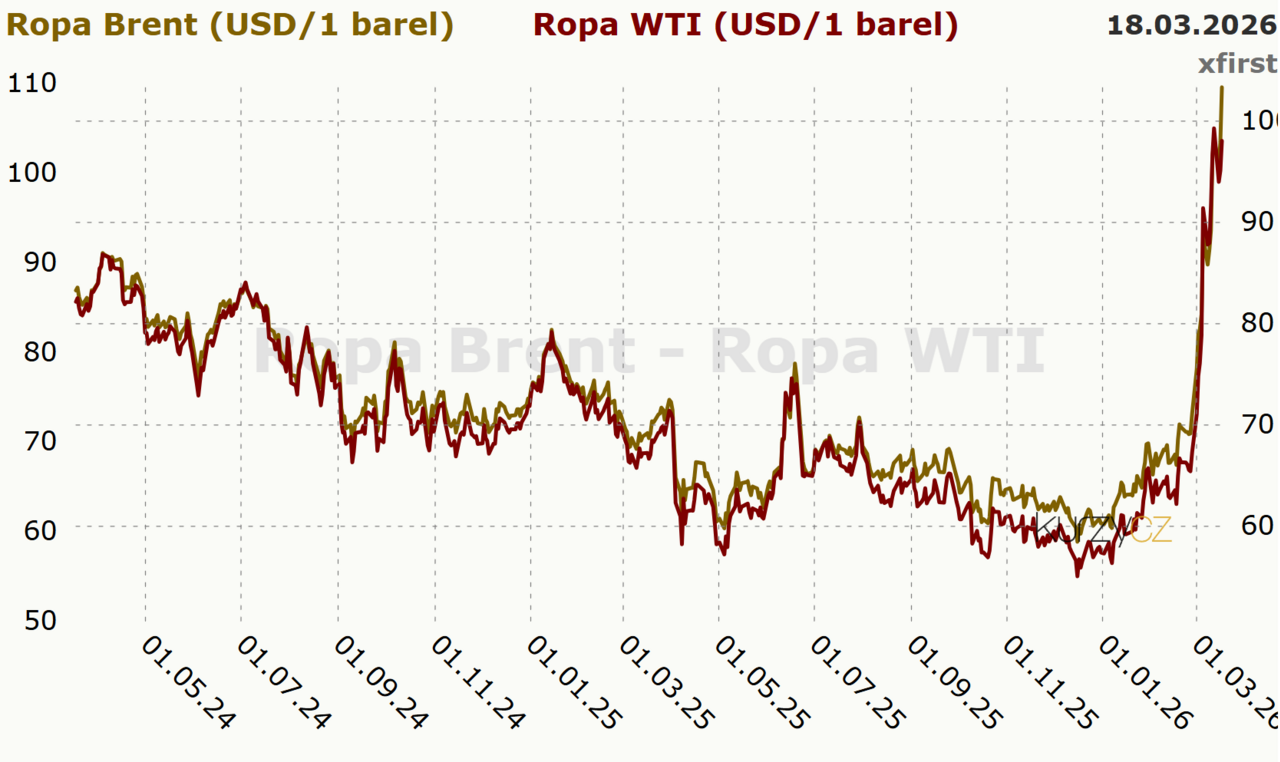
At the same time, oil prices surged above $100 per barrel, reflecting fears of prolonged disruption to global supply.
While the partial reopening may ease some of that pressure, analysts say the continued ban on U.S.-aligned vessels means the situation remains far from stable.
“As long as major players are restricted, the strait is not truly open,” energy analysts note.
Iran’s Oil Continued Flowing
Despite the broader shutdown, Iran’s own exports appear to have continued largely uninterrupted.
Reports indicate that more than 11 million barrels of oil were shipped to China during the closure period.
Much of this trade is believed to have been carried out using older or unregistered tankers operating outside standard tracking systems.
This highlights a key dynamic in the crisis:
While global markets were disrupted, Iran maintained a degree of economic activity, particularly with countries willing to continue trade.
A Selective Blockade Raises New Questions
Iran’s decision to reopen the strait selectively introduces a new level of complexity.
Rather than a full closure, the policy now depends on which country a ship is associated with.
That raises immediate questions:
- How will Iran determine which ships are “friendly” or “hostile”?
- Will vessels be inspected, tracked, or intercepted?
- Could this lead to confrontations at sea?
Maritime experts warn that unclear enforcement rules could increase the risk of miscalculation or escalation, particularly if ships are misidentified.
There is also concern that insurance companies and shipping firms may remain cautious, even with the partial reopening, due to ongoing uncertainty.
Pressure on the United States and Allies
The restriction on U.S., Israeli, and allied vessels appears designed to apply targeted economic and strategic pressure.
By allowing some countries to resume trade while blocking others, Iran may be attempting to:
- Maintain leverage in the ongoing conflict
- Divide international responses
- Limit the economic impact on itself while maximizing pressure on opponents
The move also comes as the United States has discussed potential actions in the region, including the possibility of securing or controlling shipping routes.
Any attempt by the U.S. or its allies to challenge Iran’s restrictions could further escalate tensions in the Gulf.
Markets React, But Uncertainty Remains
The announcement of a partial reopening has led to cautious reactions in global markets.
Oil prices, which surged during the closure, may stabilize if shipping resumes at scale.
However, analysts say the continued restrictions mean volatility is likely to persist.
As long as:
- Major economies face shipping limitations
- Military tensions remain high
- Enforcement of the blockade is unclear
…the Strait of Hormuz will remain a major point of risk for the global economy.
A New Phase of the Conflict
Iran’s decision marks a shift from full disruption to controlled access, using one of the world’s most important trade routes as a strategic lever.
The strait may be partially open, but it is no longer neutral.
Instead, it has become a frontline in a broader geopolitical conflict, where economic pressure, energy supply, and military risk are deeply intertwined.
For now, global markets, shipping companies, and governments are watching closely.
Because what happens in the Strait of Hormuz doesn’t stay in the Gulf, it affects the entire world.
Featured image from: Wikideas1, CC0, via Wikimedia Commons