
Beijing signals “zero tolerance” as executions raise questions about justice, deterrence, and human rights
China has executed three men convicted of sexually abusing minors after the country’s highest court upheld their death sentences, according to state media, in a move authorities say reflects a strict “zero tolerance” policy toward crimes against children.
The executions, confirmed by China’s Supreme People’s Court, are being framed domestically as a warning and a demonstration of the government’s commitment to protecting minors. But internationally, the cases are once again drawing attention to China’s continued use of the death penalty and the broader debate over whether such punishments are justified.
What China Announced
Chinese state media reported that the three men had been convicted of serious sexual crimes involving minors, though detailed case information remains limited, a common feature of China’s tightly controlled judicial disclosures.
Authorities said the death sentences were reviewed and approved by the Supreme People’s Court, which must sign off on all executions in China.
Officials described the punishments as:
- A response to “particularly egregious” crimes
- A demonstration of the state’s protective stance toward children
- A warning intended to deter future offenses
China’s legal system allows for capital punishment in a range of serious crimes, including violent offenses and certain cases involving minors.
China’s “Zero Tolerance” Approach
The executions are part of a broader pattern in China’s criminal justice system, where authorities have repeatedly emphasized strict penalties for crimes involving children.
In recent years, Chinese courts have handed down severe sentences, including death penalties, in cases involving:
- Child abuse
- Sexual assault of minors
- Trafficking of children
Officials argue that harsh punishments are necessary to:
- Maintain social stability
- Protect vulnerable populations
- Send a clear deterrent message
State media coverage often reinforces this framing, presenting such cases as examples of the government taking decisive action.
Limited Transparency Raises Questions
While China has confirmed the executions, independent verification of details remains difficult.
China does not publicly disclose full data on:
- The number of executions carried out each year
- Full case records or trial proceedings
- Appeals processes in detail
Human rights organizations have long criticized this lack of transparency, arguing it makes it difficult to assess whether trials meet international legal standards.
China is widely believed to carry out more executions than any other country, though exact figures remain classified.

Global Debate: Justice vs. Human Rights
The executions have reignited a long-standing global debate:
Do extreme punishments like the death penalty actually deter crime, or do they raise deeper ethical concerns?
Supporters of capital punishment, including many within China, argue that:
- Severe crimes demand the harshest penalties
- The death penalty can act as a powerful deterrent
- It reflects justice for victims and their families
Critics, however, point to several concerns:
- The risk of wrongful convictions
- Lack of transparency in judicial processes
- Questions about whether executions truly reduce crime rates
- International human rights standards that increasingly oppose capital punishment
Organizations like Amnesty International have consistently called for the abolition of the death penalty worldwide, including in China.
How Other Countries Compare
Globally, the use of the death penalty has been declining.
More than two-thirds of countries have:
- Abolished it in law, or
- Stopped using it in practice
However, some countries, including China, Iran, Saudi Arabia, and a few others, continue to carry out executions.
The United States remains divided, with capital punishment legal in some states but abolished in others.
This contrast highlights a key difference in how countries approach justice, punishment, and human rights.
Why This Case Is Getting Attention
Cases involving crimes against children often generate strong emotional reactions worldwide, regardless of country.
What makes this situation particularly notable is:
- The use of the death penalty
- The speed and decisiveness of the punishment
- The lack of detailed public information about the cases
For many observers, it raises broader questions about how justice systems balance:
- Accountability
- Transparency
- Human rights protections
The Bigger Picture
China’s actions reflect a legal philosophy that prioritizes deterrence and state authority, especially in cases involving vulnerable victims.
But the international response shows that there is no global consensus on how such crimes should be punished.
As debates continue, the issue remains deeply complex:
- Some see executions as justice
- Others see them as a violation of fundamental rights
For now, China appears unlikely to change course.
The message from authorities is clear:
Crimes against children will be met with the harshest possible consequences.

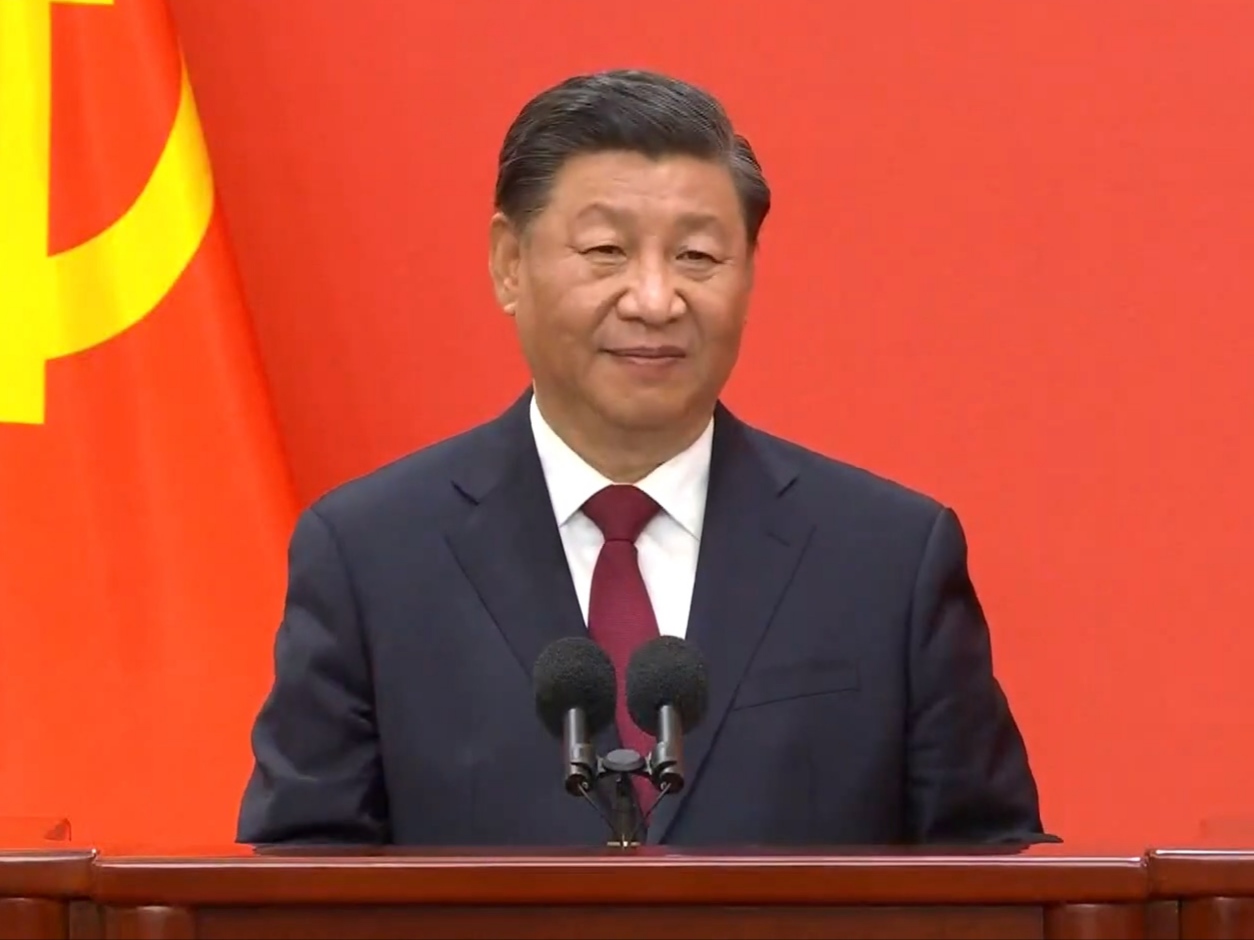
Featured Image from: 中国新闻社, CC BY 3.0, via Wikimedia Commons