
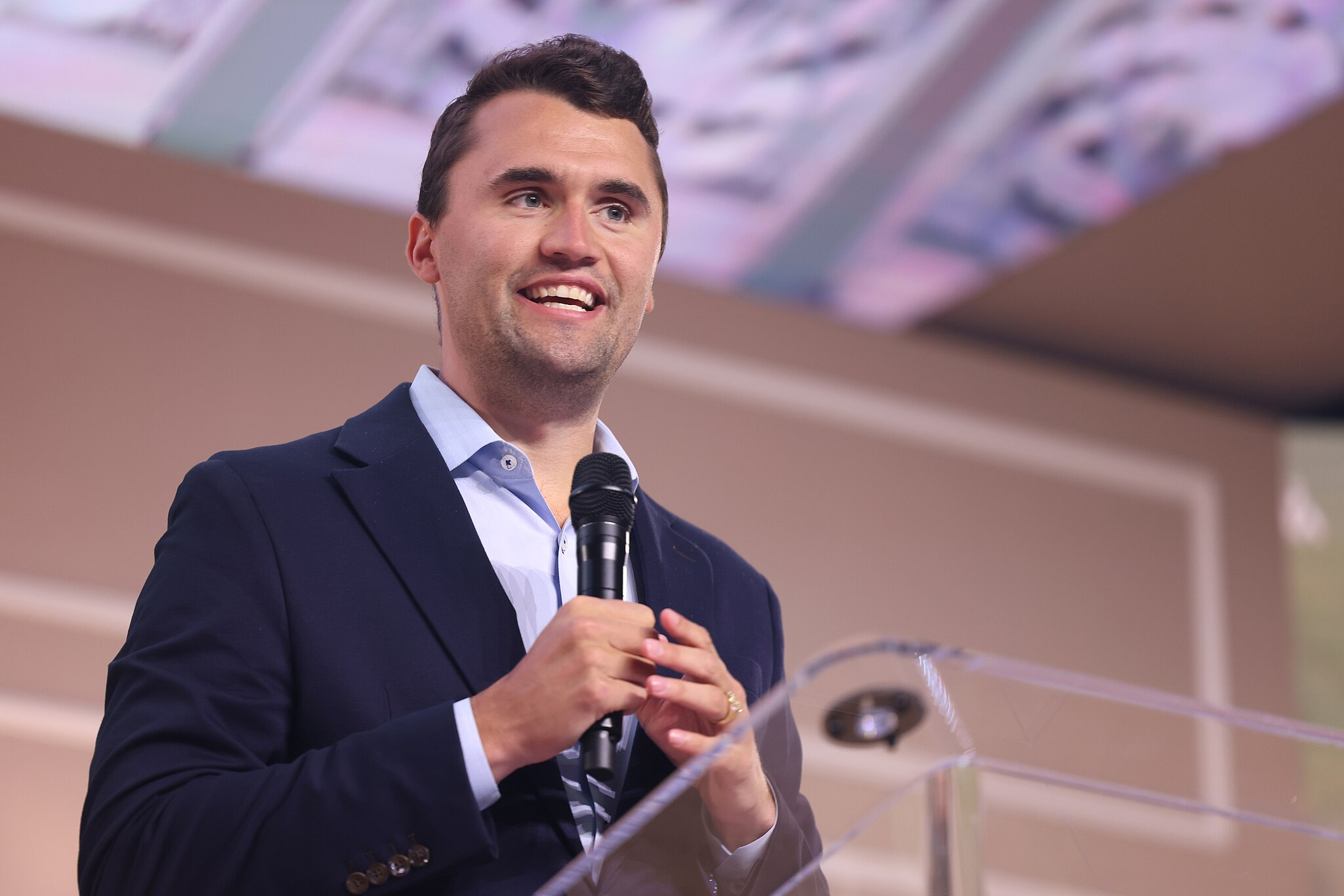
Medical, forensic, and political experts break down what happened in the Utah shooting that killed conservative activist Charlie Kirk, and what comes next.
The Fatal Moment at Utah Valley University
Charlie Kirk, 31, founder of Turning Point USA, was fatally shot in the neck while speaking at Utah Valley University on September 10. The attack took place during a stop on his “American Comeback” campus tour and was captured on multiple livestreams and phone recordings.
The shooting occurred around 12:20 p.m., just as Kirk began answering a question about gun violence. A single gunshot echoed through the venue, sending thousands of attendees into panic as Kirk collapsed in his chair. Authorities later determined that the shot originated from the rooftop of the nearby Losee Center building, roughly 150 yards away.
Inside the Fatal Wound: Forensic Breakdown
Medical and forensic experts have since analyzed how a single, high-velocity bullet could cause such catastrophic injury.
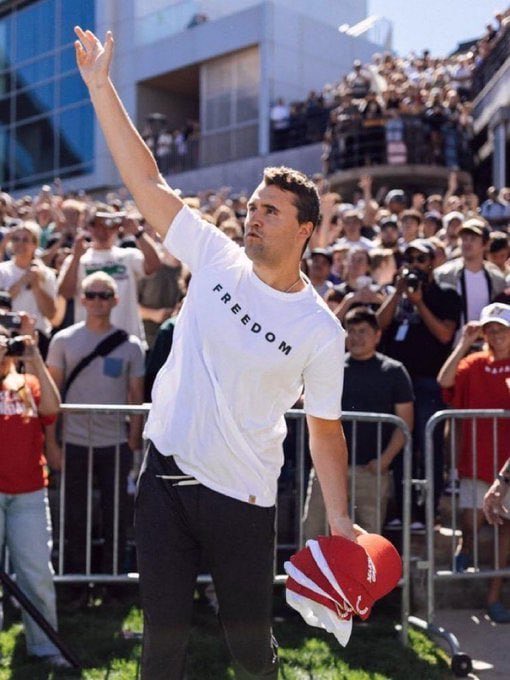
Josh Cottle, an anatomy instructor, released a detailed video explaining the damage. Referring to the neck as “cable management central,” he highlighted the dense network of arteries, veins, and nerves that run through the region. According to Cottle, a high-velocity round creates a “temporary wound cavity” , a rapid expansion of tissue that destroys surrounding structures.
“The footage shows signs of severe brain trauma,” Cottle noted, referencing Kirk’s visible decorticate posturing , an involuntary movement pattern linked to major neurological injury. The absence of an exit wound, he explained, suggests the bullet expended all its energy within the body, likely severing the carotid artery and spinal cord. Even immediate medical care, he said, would not have saved Kirk’s life.
The Investigation: Motive and the Man Behind the Rifle
Police later identified the suspect as Tyler James Robinson, a 22-year-old from Washington, Utah. He was arrested on suspicion of aggravated murder, obstruction of justice, and felony discharge of a firearm. Prosecutors said formal charges would be filed within days, with Robinson’s first court appearance scheduled for Tuesday.
Authorities executed a search warrant at Robinson’s family home, located about 240 miles southwest of the shooting site. Evidence gathered included a Mauser .30-06 rifle, matching shell casings engraved with anti-fascist slogans, and digital devices currently under forensic examination.
Utah Governor Spencer Cox described Robinson’s politics as “veering left in recent years,” citing accounts from family and friends who said he had grown increasingly radicalized online. Cox said the suspect was “not cooperating” with investigators. Despite speculation that Robinson’s transgender partner may have influenced his choice of target, officials have not confirmed any direct connection between personal life and motive.
Robinson, a former high-achieving student and scholarship recipient, attended Utah State University briefly before enrolling in a technical program in St. George. Public records show he was registered to vote but not affiliated with any political party.
Forensic Technology and Scene Reconstruction
Investigators have used 3D laser scanning to digitally reconstruct the crime scene. Veteran reconstructionist Michael Haag explained that the technology “captures millions of data points,” allowing analysts to verify bullet trajectories, shooter positions, and line-of-sight accuracy. These reconstructions can later be used in court or simulation reviews.
National Fallout and Polarized Reaction
The killing sent shockwaves through American politics. Former President Donald Trump called Kirk a “legendary patriot” and ordered flags at half-mast, while President Joe Biden and former President Barack Obama both condemned the violence, urging restraint and unity.
Yet the aftermath has deepened partisan divisions. Several public figures faced backlash for their reactions to Kirk’s death. MSNBC analyst Matthew Dowd was terminated after making comments deemed inappropriate. In Florida, Education Commissioner Manny Diaz Jr. warned teachers that making “disgusting” public remarks about the assassination could lead to suspension or revocation of teaching licenses.
Meanwhile, a conservative influencer filmed a video outside Illinois Governor JB Pritzker’s home, urging followers to “take action.” The governor’s office confirmed that his security detail was increased following the incident.
Experts on political violence say this type of escalation reflects a broader danger. “This could absolutely serve as a flashpoint,” said Mike Jensen, senior researcher with the University of Maryland’s Extremism Tracking Project. The organization reported more than 150 politically motivated attacks in the first half of 2025 , nearly double the previous year.
Memorials and Mourning Across the Country
As the investigation continues, thousands have gathered to honor Kirk’s memory.
A candlelight vigil at Utah Valley University drew mourners who left flowers, Turning Point memorabilia, and handwritten notes.
In Washington, D.C., a vigil at the Kennedy Center saw crowds wrapping around the building. Another service at Dream City Church in Phoenix featured clips of Kirk’s speeches, including one in which he said he wanted to be “remembered for courage for my faith.” Pastor Angel Barnett urged attendees to carry on his message of conviction and faith.

Kirk’s widow, Erika Kirk, vowed during a livestreamed address to continue her husband’s mission. “To everyone listening tonight across America, the movement my husband built will not die,” she said. “It won’t. I refuse to let that happen.”
Kirk’s casket arrived in Arizona aboard Air Force Two, accompanied by Vice President JD Vance. Turning Point USA announced that a public memorial will be held on September 21 at State Farm Stadium in Glendale, Arizona.
The Bigger Picture: America on Edge
The assassination of Charlie Kirk has reignited debate about political extremism and the role of rhetoric in modern discourse. Researchers warn that as ideological hostility grows, individuals on the fringes may see violence as an acceptable form of expression.
Governor Cox urged the public to resist further polarization. “We have to find a way to talk to one another again,” he said. “Otherwise, tragedies like this will keep happening.”
The investigation into Kirk’s death remains ongoing. Prosecutors expect to pursue the death penalty against Robinson.
Featured Image from: Gage Skidmore, CC BY-SA 4.0, via Wikimedia Commons