
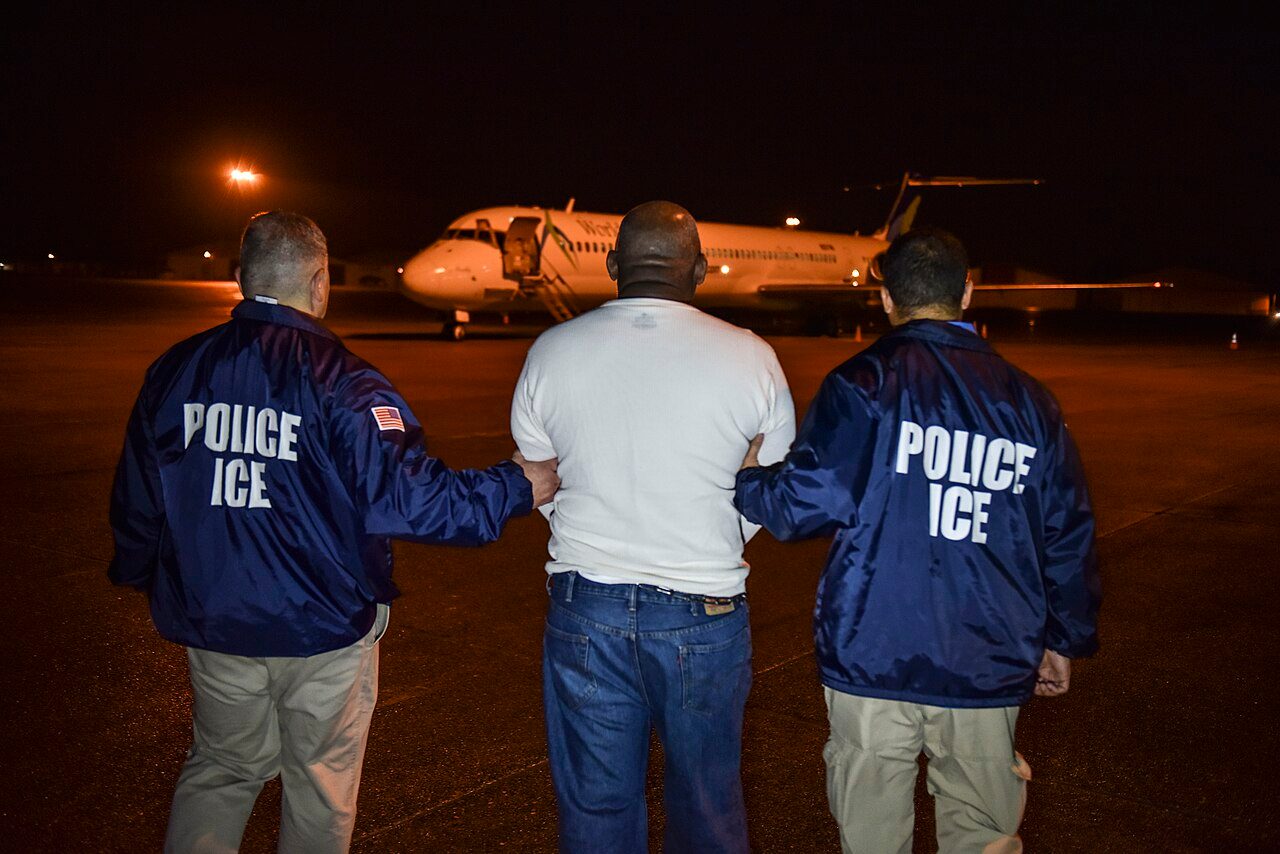
A federal judge in New York barred ICE from sending detained Afghans to Pakistan or Afghanistan through Saturday, as advocates and 66 members of Congress warned of persecution under the Taliban.
A federal judge in New York on Tuesday temporarily blocked the Trump administration from deporting detained Afghans to Afghanistan or Pakistan, pausing Afghan deportations planned on flights from Louisiana to Pakistan and on to Taliban-ruled Afghanistan.
U.S. District Judge Valerie Caproni’s order runs through Saturday, Nov. 7, ABC News reported. It came after government lawyers told the court that Immigration and Customs Enforcement had no deportation flights to either country planned for the rest of the week.
Judge Orders Pause Through Saturday
Caproni ordered officials to adhere to the government’s statement “that there are no planned or confirmed chartered or commercial flights for the purposes of deporting Afghan nationals to Afghanistan or to Pakistan” while the temporary restraining order is in force.
The order is not a final ruling. ICE books such flights weeks in advance, the Associated Press reported.
“A week ago, there was a plane. Today, the government told a federal judge there isn’t one,” Shawn VanDiver, president of the advocacy group AfghanEvac, said in a statement to ABC.
He added at a news conference: “this is a reprieve, not a resolution. We haven’t stopped this fight forever. This is just a pause.”
A Charter Flight to Pakistan
In a Virginia court filing on Oct. 30, a senior ICE official acknowledged that an Afghan immigrant had been scheduled on a charter flight from Alexandria, Louisiana, to Pakistan, “with further transport onward to Afghanistan,” according to sealed court documents obtained by the AP.
The New York Times, citing U.S. officials, reported that more than 150 Afghans were expected to be deported, according to Reuters. A U.S. official told Reuters the route runs through Pakistan because Washington has no diplomatic relations with the Taliban.
Reports on the timing differed. AP’s documents pointed to flights as early as Nov. 2, while Afghanistan International cited the Times as reporting a mid-November departure.

What the Administration Says
A DHS spokesperson told the AP by email that ICE does not comment on future removal operations, citing operational security and personnel safety. DHS did not respond to questions from AFP.
ICE told ABC it does not “comment on prospective removal operations, including flight schedules, passenger manifests, destinations, or individual case details.”
The State Department did not confirm the deportations. A spokesman told RFE/RL that “all countries must be able to manage their borders and immigration processes in a manner that ensures the safety, security, and prosperity of their citizens.”
Trump says his immigration crackdown aims to improve domestic security, Reuters reported. In April 2025, DHS ended Temporary Protected Status for Afghans, saying Afghanistan “no longer meets the statutory requirements,” Dawn reported.
The Legal Fight Over Third Countries
U.S. law bars deporting people to countries where they are likely to face persecution or torture, Afghanistan International noted. It was not clear whether any of the Afghans hold protective orders, the AP reported.
In court, the administration argued that the plan is not a third-country deportation because Pakistan would serve only as a transit route, according to Afghanistan International. Lawyers for the detainees argue that it is, pointing to the armed conflict between Pakistan and Afghanistan.
The outlet also reported that a 2025 DHS memo requires third countries to give credible assurances that deportees will not face persecution or torture. Lawyers say no such assurances exist in their clients’ cases.
Who Faces Deportation, and the Risk
Advocates told the AP that more than 80 detained Afghans contacted them after ICE notices, including women, a police officer, members of religious minorities and relatives of U.S. service members. Most have no lawyer.
VanDiver told AFP that some “are the brothers and sons of men who served alongside US forces, families the Taliban already has every reason to target.”
The Taliban announced an amnesty for those who worked with Western-backed forces after 2021, but the United Nations has recorded reports of extrajudicial killings, detentions and abuses, AFP reported.
Savitri Arvey of Human Rights First said returnees “face grave, systematic dangers,” including arbitrary detention and executions. Pakistan itself has expelled more than 2 million Afghans since 2023, Reuters reported.
Lawmakers and Kabul Respond
On Nov. 2, Rep. Scott Peters, a California Democrat, and 65 other members of Congress wrote to Secretary of State Marco Rubio and Homeland Security Secretary Markwayne Mullin. They warned that deportation could expose Afghans to “persecution, torture, or even death,” and urged officials to cancel such flights, RFE/RL reported.
“Our nation made a promise to stand by the Afghans who risked their lives and their family safety for us and for our safety, and sending them to the Taliban breaks that promise,” Peters said on a press call Tuesday.
Democratic Sen. Richard Blumenthal of Connecticut wrote on X: “This Administration is betraying that promise, deporting them to potential torture & death.”
In Kabul, Taliban foreign ministry deputy spokesman Zia Ahmad Takal said “the Islamic Emirate of Afghanistan expresses its serious concern.” Pakistan’s Foreign Ministry did not respond to RFE/RL.
Background: Afghans Who Fled the Taliban
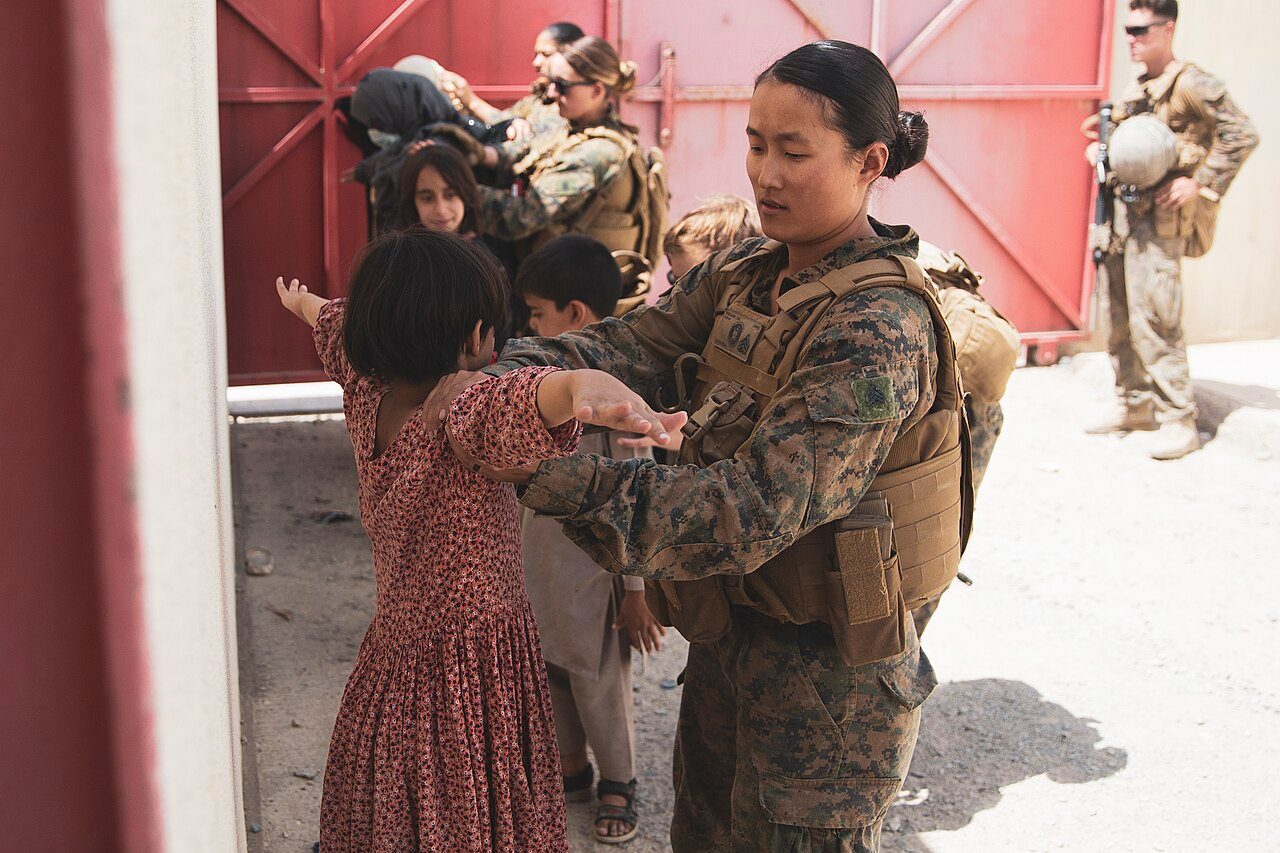
Thousands of Afghans fled after helping U.S. forces during the U.S. war in Afghanistan. Trump paused the Afghan resettlement program after returning to office, the AP reported, and more than 1,000 Afghans tied to the U.S. war effort remain at a camp in Qatar.
The case adds to a string of court fights over immigration, from the birthright citizenship order to a ruling that blocked an end to migrants’ legal status. In Congress, the agency has faced a standoff over ICE reforms.
VanDiver had warned that the administration was acting “the week the country goes to vote, hoping no one is watching,” a reference to Tuesday’s midterm elections.
Featured image from: usicegov, Public domain, via Wikimedia Commons