

Pfc. Joseph C. Murphy survived the infamous Bataan Death March but died months later in Cabanatuan POW Camp #1. Eight decades later, researchers have matched his remains through DNA analysis.
A Missing Soldier Finally Gets His Name Back
On April 1, 2024, the Defense POW/MIA Accounting Agency (DPAA) announced that they had successfully identified the remains of U.S. Army Private First Class Joseph C. Murphy, a 20-year-old Louisiana native who died as a prisoner of war during World War II. Murphy’s remains, buried anonymously in a mass grave for more than eight decades, were matched using mitochondrial DNA analysis, dental records, and historical evidence.
Murphy had served in the 31st Infantry Regiment in the Philippines, where American and Filipino forces fiercely resisted Japanese advances in early 1942. But after the Bataan Peninsula fell, thousands of Allied troops were forced into the 65-mile Bataan Death March, one of the most notorious atrocities of the Pacific War.
Murphy survived the march, only to perish a few months later at the cramped, disease-ridden Cabanatuan POW Camp #1, where thousands of Americans died from starvation, dehydration, and untreated illness.
For decades, his family never received his remains, only a letter from General Douglas MacArthur expressing condolences. Now, more than 80 years later, Murphy is finally coming home.
Discovering The Remains Of Joseph C. Murphy
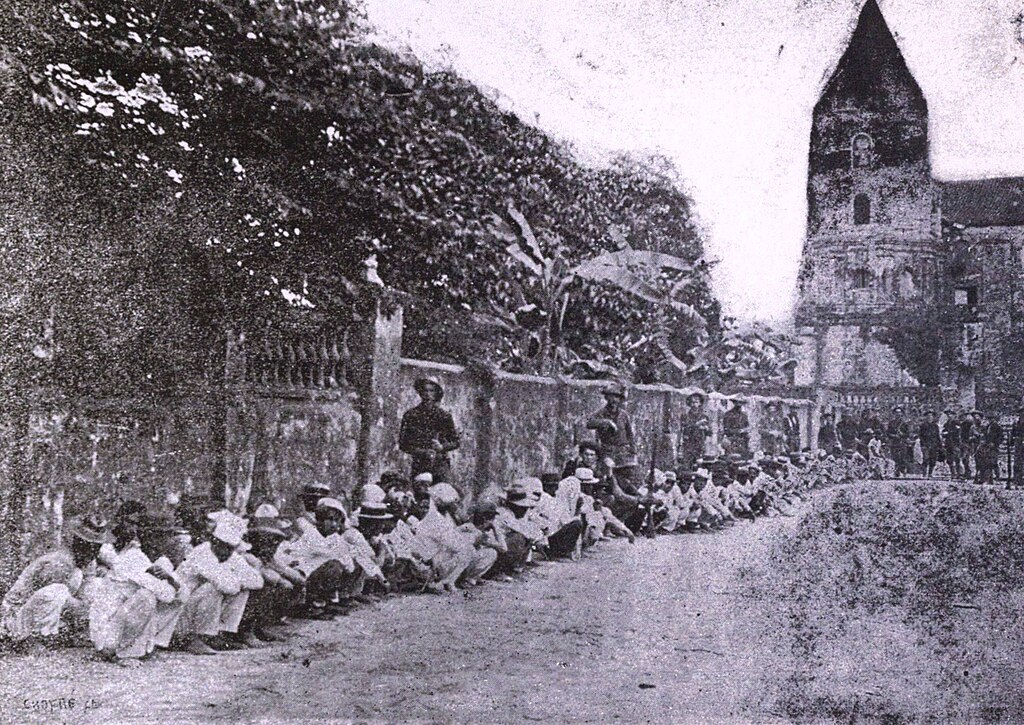
The path to identifying Murphy began in April 2019, when researchers working to account for POWs from Cabanatuan exhumed remains from Common Grave 713, one of several mass graves used by camp personnel. The remains were heavily decomposed, intermixed with other deceased POWs, and difficult to analyze, problems that had thwarted prior identification efforts in the 1940s and 1950s.
The remains were transferred to the DPAA’s laboratory, where forensic anthropologists and geneticists began piecing together the fragments of evidence. DNA extracted from the bones was compared to samples from Murphy’s family. Combined with archival material, camp logs, medical reports, and burial records, the evidence aligned.
In April 2024, researchers confirmed at last that the remains belonged to Pfc. Joseph C. Murphy.
Murphy, born in Bogalusa, Louisiana, had worked at an ice cream company before enlisting in the U.S. Army. Like many young soldiers deployed to the Philippines, he was swept into one of the Pacific Theater’s most grueling and tragic chapters.
The Bataan Death March And The Final Months Of Joseph C. Murphy
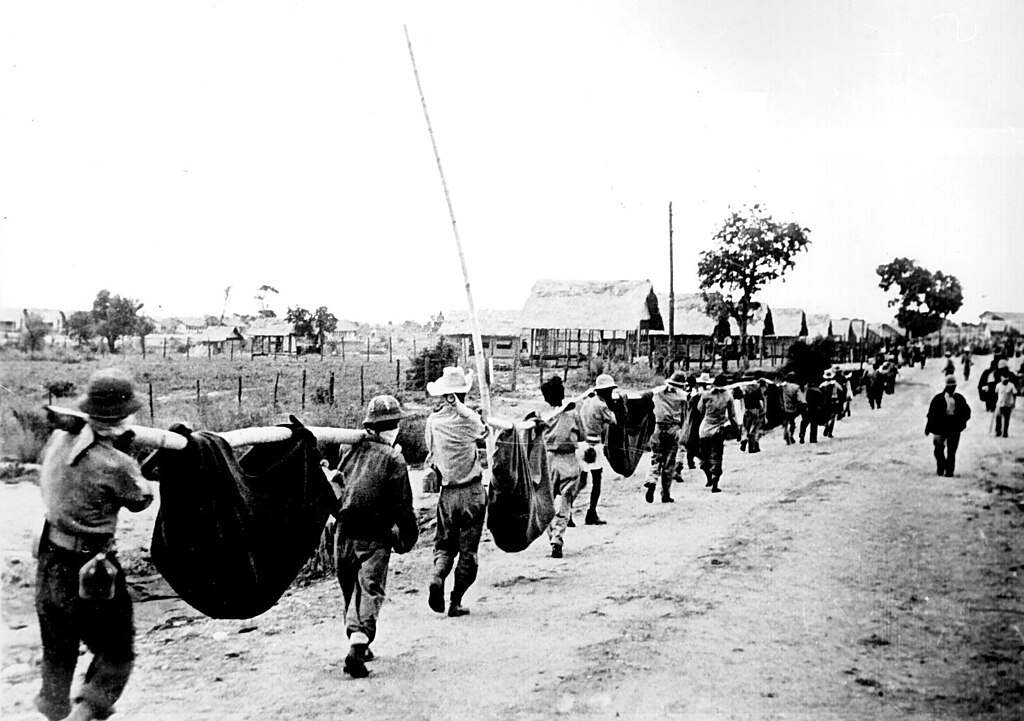
On April 9, 1942, American and Filipino defenders surrendered after months of fighting, short on food, medicine, and ammunition. Japanese forces then ordered roughly 60,000–80,000 POWs to march north toward prison camps under brutal conditions, dehydration, beatings, shootings, and exposure.
Murphy survived the ordeal and reached Cabanatuan POW Camp #1, but the suffering did not end there.
Conditions At Cabanatuan Camp #1
Cabanatuan became one of the deadliest POW camps of the war. Prisoners faced:
• Little food beyond thin rice gruel
• Contaminated water
• Rampant diseases, including malaria, beriberi, and dysentery
• Overcrowded barracks and minimal medical care
By the time Allied forces liberated the camp in 1945, approximately 2,800 Americans had died there.
Murphy’s death occurred on October 28, 1942, just six months after the Bataan surrender. According to DPAA records, he died of malnutrition and dysentery, conditions that overwhelmed thousands of other prisoners at the camp.
He was buried in Common Grave 713 along with other POWs, a burial that reflected the overwhelming pace of death, not the individuality of the men lost.
A Letter From General MacArthur, And Decades Of Uncertainty
Not long after Murphy’s death, his family received a letter from General Douglas MacArthur, commander of U.S. forces in the Southwest Pacific:
“My deepest sympathy goes to you in the death of your son, Pfc. Joseph C. Murphy, while a prisoner of war of the enemy.”
In the years after World War II, American recovery teams attempted to match the remains in Cabanatuan’s mass graves to individual soldiers. But decomposition, incomplete records, and commingling of bodies made identification nearly impossible at the time.
Murphy’s remains, like those of many POWs, were sent to temporary cemeteries before being categorized as “Unknown.”
For Murphy’s family, the story ended there, until modern forensic science reopened the file.
The Scientific Breakthrough That Brought Murphy Home
Decades later, advances in DNA testing gave DPAA scientists tools far beyond what was available after the war. Mitochondrial DNA, often used when remains are severely degraded, proved key to identifying Murphy.
Forensic specialists matched DNA extracted from the remains to samples provided by Murphy’s relatives. Dental records added further confirmation, along with circumstantial evidence such as the camp’s burial roster and health logs.
After more than 80 years, one of the thousands of unnamed American POWs finally had his identity restored.
Returning Joseph C. Murphy To His Family
With his identification complete, Murphy’s remains are scheduled to return to Bogalusa, Louisiana, where he will receive a proper burial on August 3, 2024. For his relatives, some of whom never met him, the homecoming is the end of a generational uncertainty.
For the DPAA, Murphy’s identification is part of an ongoing effort to recover and name the missing. More than 72,000 Americans from World War II remain unaccounted for, and thousands of them died in POW camps, naval battles, or remote battlefields across the Pacific.
Each identification, officials emphasize, represents not just scientific achievement but the fulfillment of a national promise: that no fallen service member will be forgotten.
Murphy’s journey, from the Bataan Peninsula, to a mass grave in Cabanatuan, to a laboratory more than seven decades later, is a testament to that mission.
Featured image from: U.S. Air Force photo by Staff Sgt. David Owsianka, Public domain, via Wikimedia Commons