
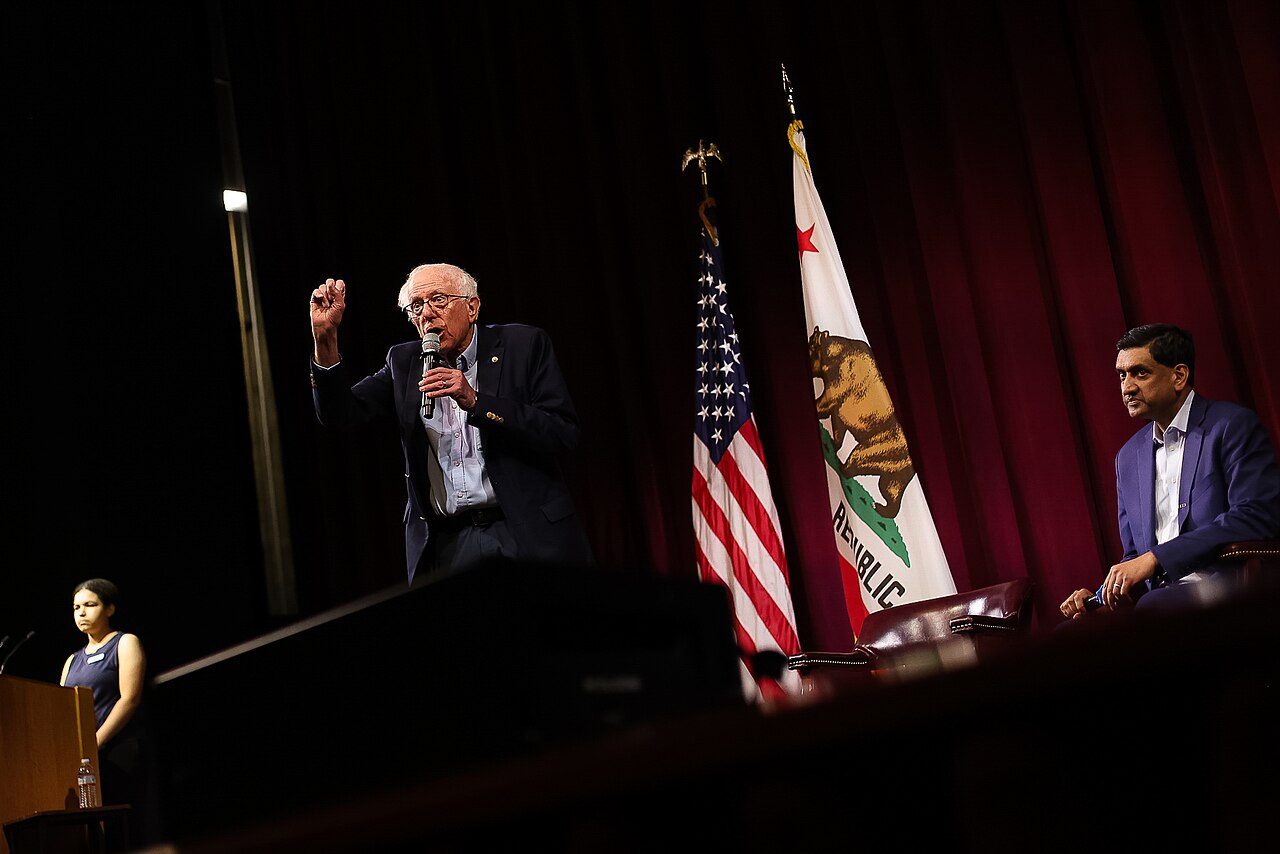
A post on Bernie Sanders’ 5% annual billionaire tax gets most numbers right, but the bill dates to March 2026 and has not moved in Congress
A social media post now circulating says Sen. Bernie Sanders’ billionaire tax would charge America’s 938 billionaires 5% of their wealth every year to fund $3,000 checks and public programs, but the plan was introduced in March 2026.
Most of its figures match the bill and the press release Sanders and Rep. Ro Khanna issued on March 2, 2026. The bill has not advanced since it was sent to committee.
Delightful Daily first covered Sanders’ $4.4 trillion billionaire tax when it was unveiled.

What the Billionaire Tax Bill Would Do
The Make Billionaires Pay Their Fair Share Act (S. 3956 in the Senate, H.R. 7767 in the House) would tax any individual or trust whose net assets exceed $1 billion, according to the bill text. Married couples count as one taxpayer, and the threshold rises with inflation after 2026.
The rate is 5 percent of the taxpayer’s entire net worth, not only the portion above $1 billion, according to the same text. Sanders’ office says Elon Musk, worth $833 billion, would owe $42 billion.
Using Forbes data as of Jan. 1, 2026, economists Emmanuel Saez and Gabriel Zucman count 938 American billionaires with total wealth of $8,189 billion, or about $8.2 trillion. Nobody worth less than $1 billion would pay more, Sanders’ office says.
Sanders said the bill “demands that the billionaire class in America finally pay their fair share of taxes so that we can create an economy that works for all of us, not just the 1%.”
“We can no longer tolerate a corrupt tax code that enables billionaires to pay a lower tax rate than the average worker,” he added.
Who Would Get the $3,000 Payments
In its first year, the bill would send $3,000 to every man, woman and child in a household making $150,000 or less, Sanders’ office says. A family of four would get $12,000.
According to the bill text, the payment reuses the tax code’s 2021 recovery rebate, renamed an affordability rebate: $3,000 per filer, or $6,000 on a joint return, plus $3,000 for each dependent.
The bill does not change that rebate’s income limits. Under Section 6428B of the tax code, the payment starts shrinking above $150,000 of adjusted gross income for joint filers, $112,500 for heads of household and $75,000 for other filers.
Later revenue would go to a spending list set out in the sponsors’ bill summary, which estimates the payments themselves would cost $959 billion. The list, with the summary’s ten-year cost estimates:
- Reversing $1.1 trillion in Medicaid and Affordable Care Act cuts in the 2025 Big Beautiful Bill
- Adding dental, vision and hearing to Medicare benefits, estimated at $290 billion
- Building or preserving over seven million affordable homes, estimated at $856 billion
- Capping childcare at 7% of family income, estimated at $700 billion
- A $60,000 minimum salary for public school teachers, estimated at $152 billion
- Medicaid home health care for seniors and people with disabilities, estimated at $300 billion
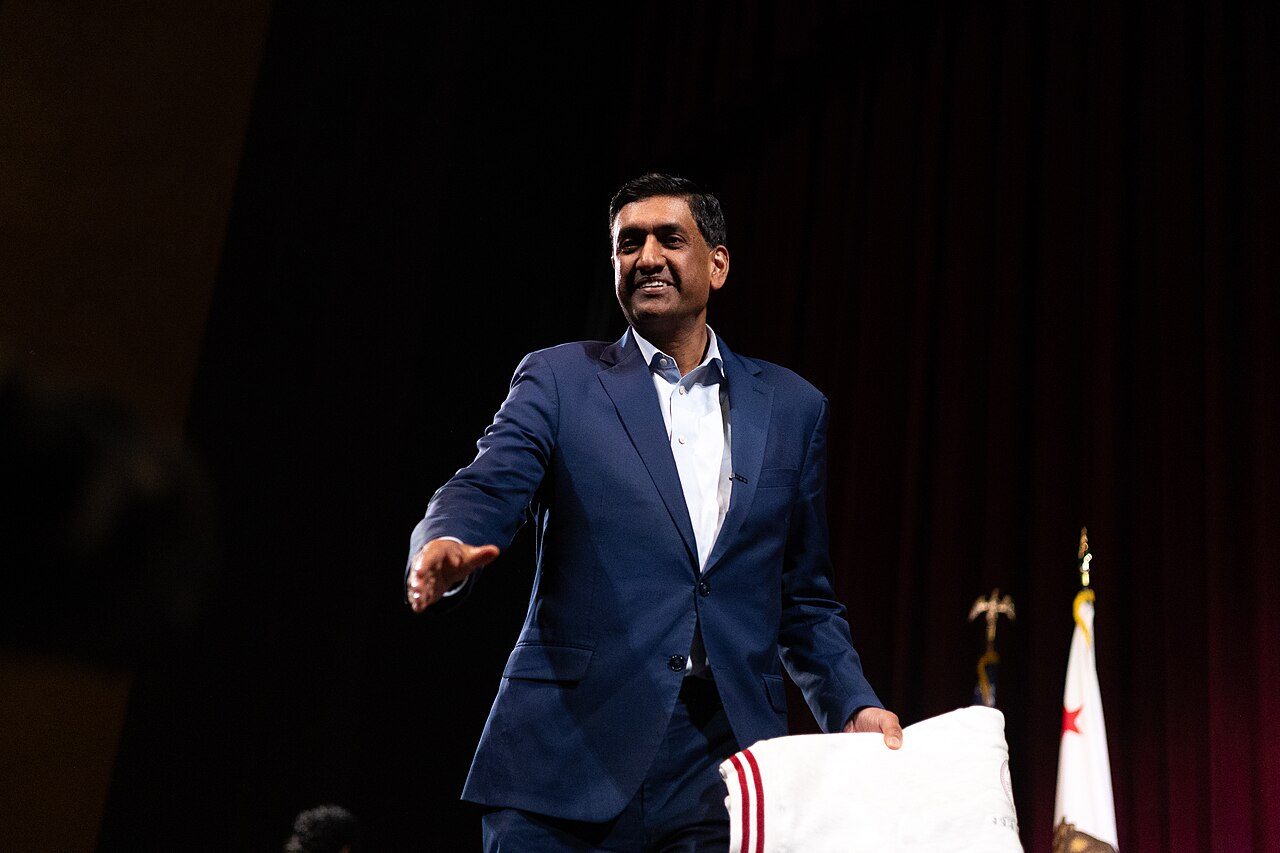
Khanna said in the release: “We can tax billionaires a modest amount to make sure everyone has a fair chance while keeping our innovative engine.”
How the Viral Post Stacks Up
The post’s core numbers, including its $500 million bill for a $10 billion fortune, line up with the bill text and the figures Sanders’ office reported.
Three points need context. The proposal is seven months old. The $4.4 trillion estimate comes from Saez and Zucman, University of California, Berkeley economists whose analysis Sanders’ office released. And under the rebate rules the bill reuses, the $150,000 cutoff applies in full only to joint filers, according to the tax code.
The post also leaves out the first item on the sponsors’ list, reversing the Medicaid and Affordable Care Act cuts.
The post’s closing line, that this is one of the biggest attempts in years to tax billionaire wealth, is a characterization no source measured. Khanna told The Washington Post the bill is “Senator Sanders’ defining vision for our age.”
Economists Split Over the $4.4 Trillion Estimate
Saez and Zucman estimate the tax would raise about $368.5 billion a year, or around $4.4 trillion over a decade.
Their figure assumes 10% of the tax would be lost to evasion and avoidance. “We assume an evasion tax rate of 10%, which is achievable under the strong enforcement mechanisms in the bill,” they wrote.
According to the bill text, the Treasury would have to audit at least half of wealth-tax payers every year, and 1 percent of the revenue would fund IRS enforcement.
“Democracies become oligarchies when wealth becomes too concentrated,” they wrote.
Jared Walczak, a senior fellow at the Tax Foundation, disputed the estimate in a post on X reported by Fox Business. To accept it, he wrote, “you must believe that a 5% annual wealth tax on billionaires” on their investments and businesses “will have no economic ramifications worth mentioning.”
A Tax Foundation policy note, according to InvestmentNews, put revenue near $3.3 trillion over 10 years under a higher evasion assumption and cited an outside projection closer to $2.3 trillion.
The group said a 5% tax on assets earning a 5% return can be “economically equivalent to a 100 percent tax on that return.” It also said the tax would be in “legally perilous territory,” because the Constitution requires direct taxes to be apportioned among the states.
Bill Has Not Moved Since March
The Senate bill was read twice and referred to the Finance Committee on March 2, 2026. Sen. Chris Van Hollen (D-Md.) signed on as a cosponsor on March 26, and the official record, last updated in May, shows no further action.
With Republicans controlling Congress, the Post reported at the time that the plan was a nonstarter but could become a litmus test in the 2028 Democratic presidential primary.
At the time, a separate one-time 5% billionaire tax was being pushed in California. Gov. Gavin Newsom opposed it, while Khanna supported it, the Post reported.
Billionaire Wealth Has More Than Doubled Since 2019
According to the Saez and Zucman letter, total U.S. billionaire wealth rose from $3,528 billion in 2019 to $8,189 billion at the end of 2025, including 22% growth in 2025 alone.
Sanders’ office says the 938 billionaires became $1.5 trillion richer last year.
It also says more than 60 percent of Americans live paycheck to paycheck, a theme in coverage of Americans struggling with rising costs.
Featured image from: Anderseidesvik, CC BY-SA 4.0, via Wikimedia Commons