
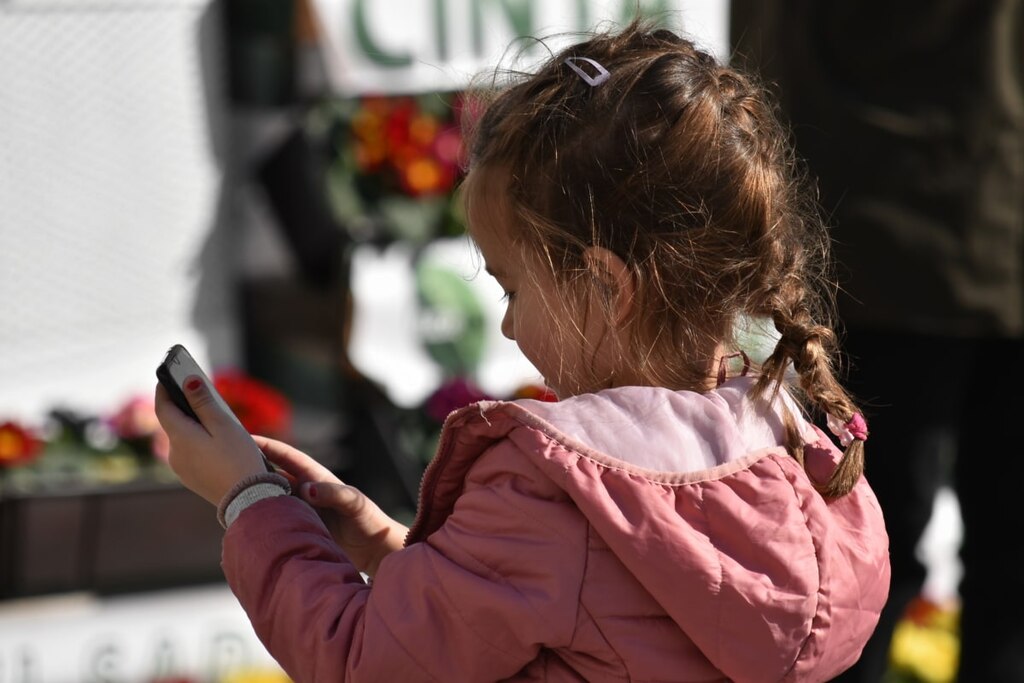
A moment of panic, and a life-saving decision
In emergencies, seconds matter. And sometimes, the difference between tragedy and survival comes from the most unexpected place.
That was the case in the U.K., where a 4-year-old boy named Roman believed his mother had died after she suddenly became unconscious at home. Unsure what else to do, the toddler unlocked her iPhone and asked Siri to call for help, a decision that ultimately saved her life.
According to the London Metropolitan Police, Roman’s quick action allowed emergency responders to reach the home in minutes, providing critical aid to his mother before it was too late.
How a toddler managed to call for help
When Roman’s mother collapsed, the child noticed she wasn’t responding. Thinking she had died, he used her thumbprint to unlock her phone and asked Siri to contact emergency services. The call was routed to 999, the U.K.’s emergency number.
The conversation between Roman and the dispatcher was later shared by the Metropolitan Police in a clip that quickly spread online.
The dispatcher asked where he and his mum were, and whether she could speak to her directly.
“She’s dead,” Roman replied.
On further questioning, the boy explained that his mum was “not breathing,” that her “eyes were closing,” and that she wasn’t waking up.
“Give her a good shake and shout ‘mummy’”
As emergency responders worked to pinpoint the home’s location, the dispatcher calmly guided Roman through simple instructions.
“She suggested, ‘Give her a good shake, shout out ‘mummy!’’” the report noted.
Roman tried to follow the directions, doing his best to keep his mother conscious. Though he didn’t fully understand what was happening, his responses helped authorities assess the seriousness of the situation and act quickly.
The call continued as the dispatcher gathered location details and reassured the child while help was already on the way.
Help arrived just in time
The Metropolitan Police later confirmed the outcome in the video’s closing caption.
“Thanks to Roman’s call, police and paramedics were able to get to his house within 13 minutes and provide first aid to his unconscious mother,” the statement read. “She was taken to hospital but has since been discharged and is now back at home with her children.”
Roman may not have understood the gravity of the moment, but his ability to recognize an emergency and call for help set a chain of life-saving events in motion.
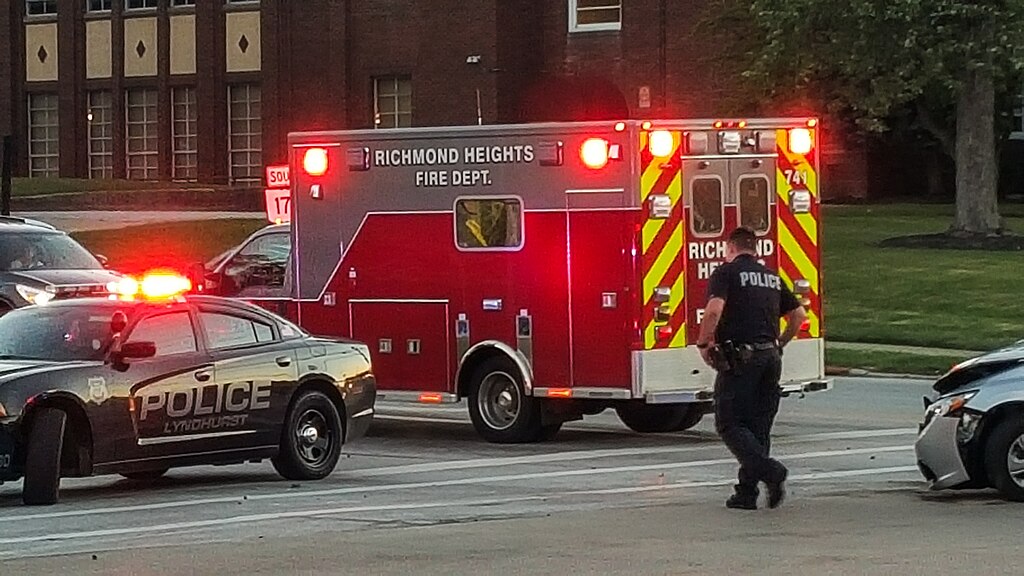
Police highlight why kids should learn emergency basics early
Chief Superintendent Ade Adelekan, from the Metropolitan Police, used the incident to stress the importance of early safety education for children.
“Hearing this call brings home the importance of teaching your young child their home address and how to call the police or emergency services in such unprecedented situations,” Adelekan said.
He added, “It’s an amazing story and thanks to his quick thinking and by asking ‘Siri’ for help, this little boy saved his mum’s life and it means she is still here and can be extremely proud of him and his brothers.”
Roman’s story isn’t as rare as you might think
While the situation is extraordinary, it isn’t unique. Similar cases have been reported around the world where very young children stepped up during emergencies.
- In Macon, Georgia, a 2-year-old dialed 911 after her mother fainted and also called her grandmother, helping alert authorities, according to Newsweek.
- In Skokie, Illinois, a 5-year-old girl calmly called 911 and described what was happening when her mother collapsed, helping responders reach her in time, per ABC News.
These stories highlight a simple but powerful truth: even toddlers can play a critical role in emergencies when they know how to ask for help.

Why teaching kids to call for help matters
Experts say children don’t need to understand every detail of an emergency, they just need to recognize when something is wrong and know how to reach help.
Child-safety educators recommend starting with simple, age-appropriate lessons, such as:
- Explaining what an emergency is, using clear examples like someone not waking up or a fire in the home
- Practicing names and addresses, even if it’s just a street name or nearby landmark
- Showing how to unlock a phone and use emergency features, including Siri or Emergency SOS
- Role-playing scenarios, which helps reduce fear and confusion
- Reassuring kids they won’t get in trouble for calling emergency services when it’s truly needed
Roman’s actions didn’t come from fear alone, they came from familiarity with technology and a basic understanding that help was available.
When children become the helpers
We often think of children as the ones who need saving. Roman’s story is a reminder that, with the right tools and guidance, those roles can reverse in an instant.
A phone, a voice assistant, and a 4-year-old who knew something was wrong were enough to save a life.
Featured image from: Bicanski – https://pixnio.com/author/bicanski, CC0, via Wikimedia Commons