

When you’re a kid, time feels endless. Summers stretch on forever. The wait between birthdays feels unbearable. Christmas seems impossibly far away.
Then adulthood hits.
Suddenly, weekends disappear in a blink. Months blur together. And one day you’re hanging holiday lights wondering how it’s already December again.
So what happened?
According to astrophysicist Neil deGrasse Tyson, it’s not time that’s changing, it’s you. And more importantly, it’s something your brain is doing behind the scenes.
Why Time Feels Slower When You’re Young
In a video shared on Instagram, Tyson explained why childhood feels expansive while adulthood feels compressed.
“When you’re young, everything is new,” he said. “Your brain is constantly recording fresh memories.”
As children, nearly every experience is novel. First days of school. First friendships. First bike rides. First everything. Because your brain is absorbing massive amounts of new information, each moment feels rich and detailed.
“The more memory your brain stores,” Tyson explained, “the longer the experience feels.”
That’s why a single summer in childhood can feel like it lasted forever.
What Changes As We Get Older
As we age, novelty fades.
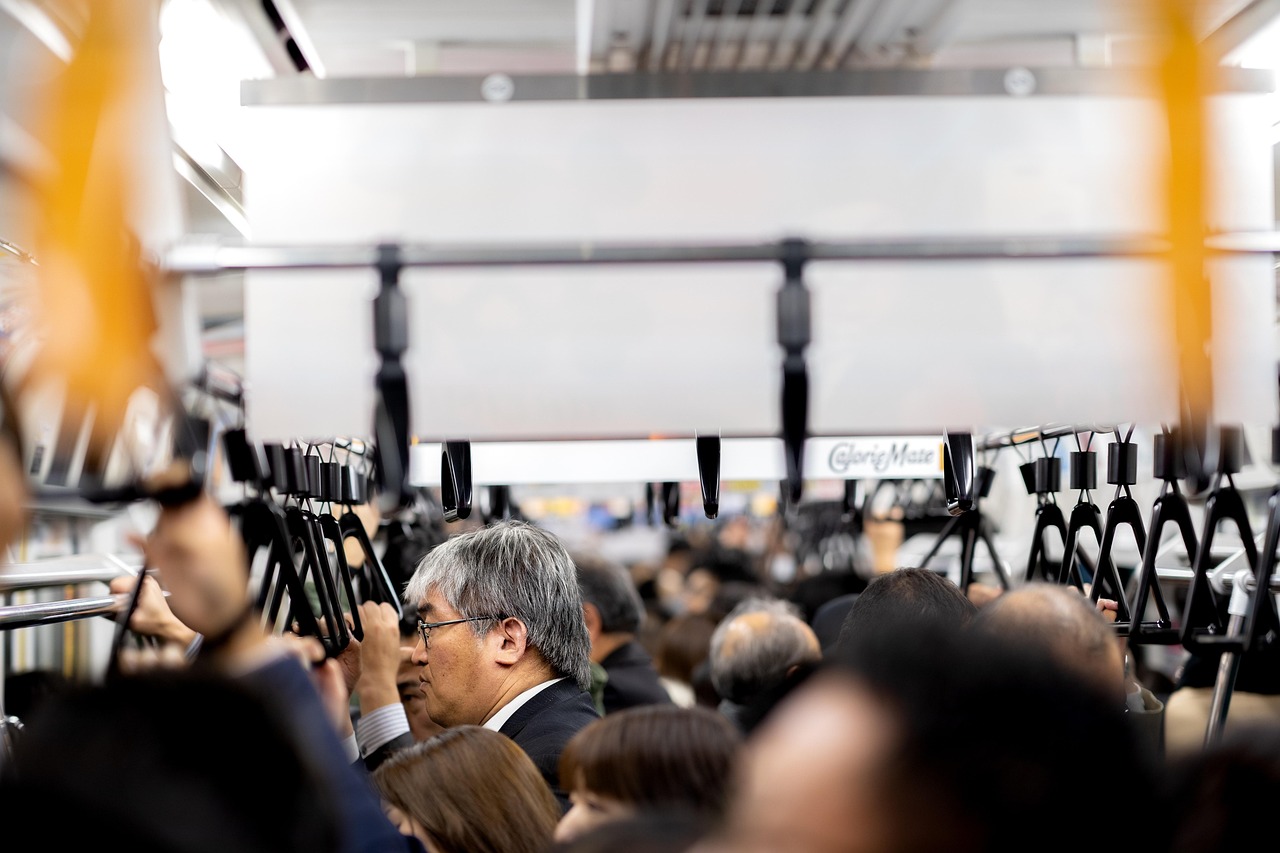
Life becomes routine. We drive the same routes. Work the same schedules. Visit the same places. Eat the same meals. And when things feel familiar, the brain stops recording them in detail.
“It switches to autopilot,” Tyson said. “Everything feels predictable.”
When fewer new memories are formed, your brain compresses time in retrospect. Weeks and months blur together because there’s less distinguishing one day from the next.
That’s why adulthood often feels like a fast-forward button you didn’t press.
Psychology Confirms It
Tyson’s explanation aligns with psychological research.
Steve Taylor, PhD, author of Time Expansion Experience, writes that children experience time more slowly because they process more perceptual information. Their perception of the world is vivid, intense, and unfiltered.
As adults, we become desensitized to our surroundings.
“Our perception becomes more automatic,” Taylor explains. “As a result, we absorb less information, which means time passes more quickly.”
Time doesn’t actually speed up, it feels like it does because less is being stored.
The Good News: You Can Slow Time Down
Here’s the part that changes everything.
According to Tyson, this isn’t an inevitable part of aging. You can actively reverse it.
“You can actually slow time down again,” he said.
The key? Novelty.
When your brain encounters new experiences, it snaps out of autopilot and starts recording again, stretching your perception of time in the process.
How to “Reboot” Your Brain
Tyson offers simple but powerful ways to slow the passage of time:
- Do something unfamiliar
- Travel somewhere new
- Break a routine you’ve repeated for years
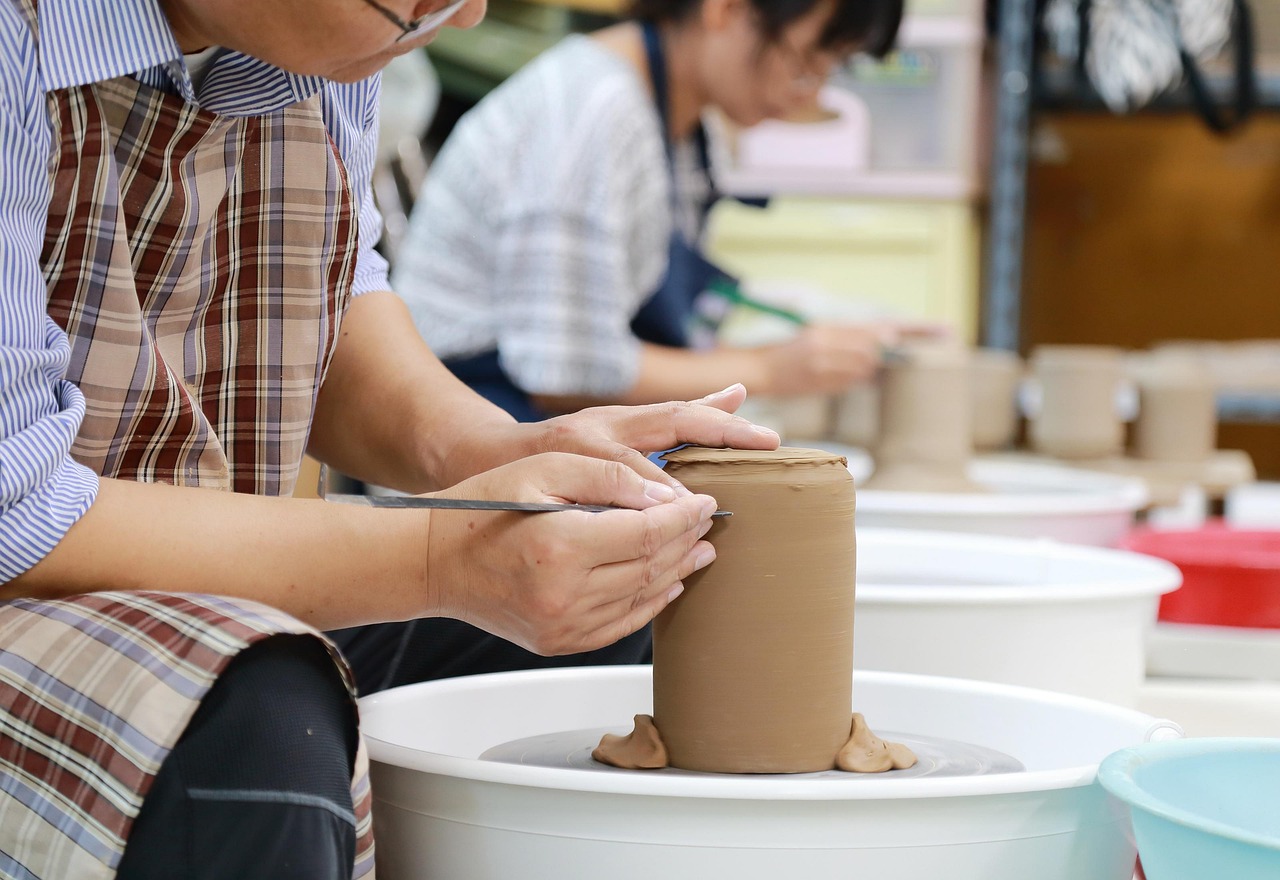
- Learn a skill your brain hasn’t mapped yet
The more new memories you form, the longer life feels.
“Because the more new memories your brain forms,” Tyson said, “the slower time feels as it passes.”
In other words, boredom accelerates time. Curiosity expands it.
Why This Matters More Than We Think
There’s something quietly unsettling about feeling like life is slipping through your fingers faster each year. But Tyson’s explanation reframes the problem in a hopeful way.
It’s not that you’re “running out of time.”
It’s that your brain needs new input.
By shaking up routines, even in small ways, you can make life feel fuller, richer, and longer.
The Takeaway
If time feels like it’s accelerating, it’s not your age betraying you.
It’s familiarity.
And the antidote isn’t slowing clocks, it’s living with intention.
Try something new. Take a different route. Say yes to an unfamiliar experience.
Because when your brain wakes up, time stretches out again.
And suddenly, life doesn’t feel like it’s rushing past you, it feels like you’re finally present for it.
Featured image from: Bill Branson (Photographer), Public domain, via Wikimedia Commons