

A proposal to make it illegal for politicians to lie during Welsh election campaigns has cleared its first legislative hurdle, but not without triggering serious warnings about free speech, rushed lawmaking, and undefined criminal powers.
The bill passed its initial stage in the Senedd on Tuesday, allowing it to move forward for further scrutiny. However, lawmakers from across the political spectrum, including members of the governing Welsh Labour Party, cautioned that the legislation, as currently written, may fail unless it undergoes significant changes.
At the heart of the controversy is a proposal that would allow Welsh ministers to create a criminal offence for making “false or misleading” statements of fact to influence election outcomes, without clearly defining what those terms mean.
What the Proposed Law Would Do
The Welsh Labour government says the bill is designed to strengthen democratic integrity by tackling deliberate misinformation during election campaigns. Ministers argue that lying in politics undermines public trust and that stronger safeguards are needed.
In a statement, the Welsh government said the legislation “sets out to build stronger foundations for Welsh democracy.”
If enacted, the law would empower ministers to establish criminal penalties for false or misleading campaign statements. However, the bill itself does not define what qualifies as a lie, who exactly the rules would apply to, or how enforcement would work, instead leaving those details to be determined later through secondary legislation.
Concerns Over Undefined Criminal Powers
Those gaps have alarmed lawmakers and legal experts alike.
Two cross-party Senedd committees issued strongly critical reports, warning that the legislation, as drafted, could allow future governments to restrict political speech during elections with very few limits.
One committee report described the proposed powers as “extraordinary,” cautioning that they could enable a government to “seriously hinder full and proper democratic discourse during an election campaign.”
The committee also warned that lawmakers were being asked to approve a new criminal offence that is currently undefined and could carry “life-defining repercussions” for those accused.
Labour Senedd member David Rees, who chaired one of the committees, said the lack of clarity posed serious risks.
“A power to limit free speech before or during an election with so few parameters as to the scope of any prohibition would be extraordinary as drafted,” the report concluded.
Rushed Timeline Raises Alarm
Several members raised concerns that the bill was introduced late in the Senedd term, limiting the time available for scrutiny, public consultation, and expert input.
BBC Wales was told that some Labour committee members, along with Conservative MS Sam Rowlands, were skeptical that the government would have enough time to amend the legislation properly before its next stage.
Rowlands described the situation as “a real shame,” accusing ministers of bringing the proposal forward “at the very last moment.”
Lee Waters, a Labour MS who has long supported action against political dishonesty, disputed that characterization, saying the issue had been discussed for nearly two years. Still, even he acknowledged that the current drafting posed risks.
“This aim of protecting voters from deliberate misinformation is absolutely understandable,” Waters said. “But these measures could inadvertently restrict legitimate debate and political discussion.”
Supporters Say Inaction Would Be Worse
Despite the warnings, supporters of the bill urged lawmakers not to abandon the effort altogether.
Former Plaid Cymru leader Adam Price argued that public confidence in politics would suffer if the Senedd retreated from its commitment to address misinformation.
“The public will rightly hold to account” the government if it dropped the proposals, Price said, adding that later stages of the bill could be used to improve the language rather than remove it.
Liberal Democrat Jane Dodds echoed those sentiments, saying that while the committee concerns were serious, they should be addressed through amendments, not abandonment.
“Lying flourishes in politics because we can get away with it,” Dodds said. “Because we face no real consequences.”
Legal Experts Warn of Chilling Effects
Outside the Senedd, legal experts have also weighed in.
Prof. Jeremy Horder, a criminal law expert at the London School of Economics, warned that a broadly written law against false statements could discourage legitimate political speech and media scrutiny.
He said an “over-broad false statement law” risks having “an unduly chilling effect on the speech of conscientious people and media outlets.”
That concern was echoed by several lawmakers who argued that poorly drafted criminal law could do more harm than good.
“What we don’t need is bad law passed in a poor way,” Labour MS Alun Davies said, “rushed through in order to make people feel good about themselves.”
What Happens Next
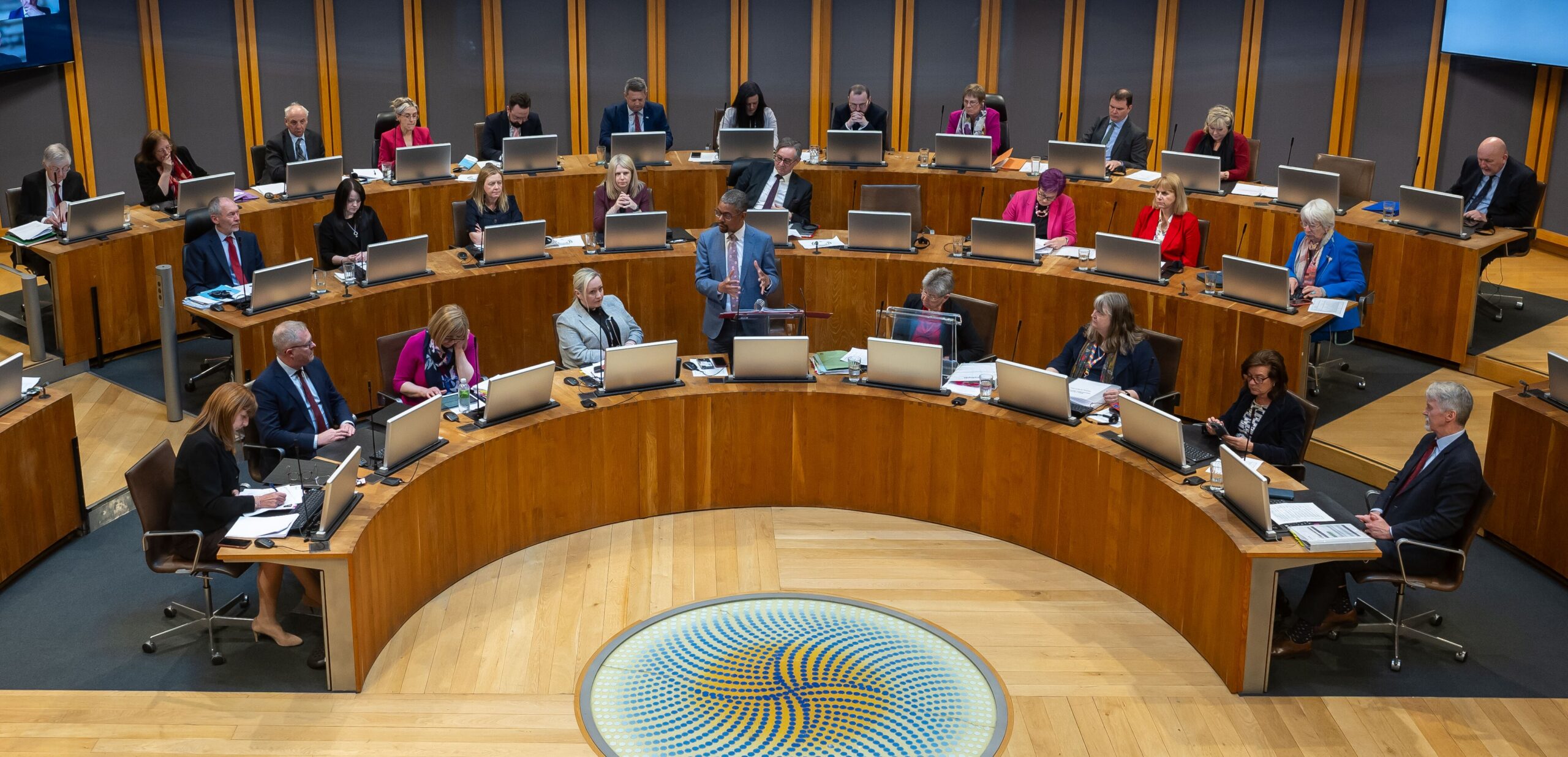
The bill will now return to committee for amendments in February. Before it can advance further, the Senedd must also approve a financial motion allowing public funds to be spent implementing the law, a vote that was delayed this week to allow for further work.
Even if passed, the ban would not take effect before the 2030 election at the earliest, and ministers have acknowledged that timeline may still be optimistic.
Importantly, the proposed law would not create a general ban on Senedd politicians lying outside election campaigns. A committee previously recommended strengthening oversight by the parliamentary standards commissioner instead.
It is already illegal under existing law to make false statements about a candidate’s personal character or conduct during an election.
Free Speech Debate Likely to Continue
Critics beyond the Senedd have also spoken out. Reform UK Wales described the proposal as an attempt to suppress speech rather than protect democracy.
“Banning speech does not strengthen democracy,” a spokesperson said. “It threatens democracy.”
With broad agreement on other parts of the bill, including proposals for recall polls to remove misbehaving members, the legislation passed its first stage without a vote. Whether the controversial provisions on lying survive the next stage remains far from certain.
Featured Image from: Senedd Cymru / Welsh Parliament from Wales, CC BY 2.0, via Wikimedia Commons