
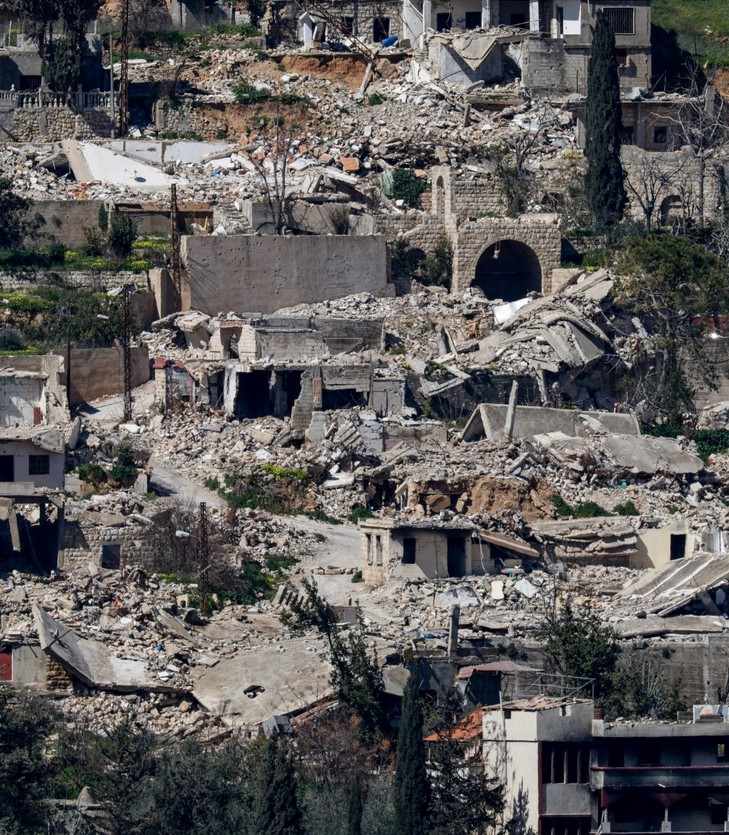
Embassy shutdowns and evacuation warnings come as Iran retaliates following joint U.S.-Israeli strike
The United States has begun shutting down several embassies across the Middle East and is urging Americans to leave the region immediately as tensions escalate following a joint U.S.-Israeli military strike on Iran.
U.S. embassies in Saudi Arabia, Lebanon, and Kuwait announced Tuesday that they are closing indefinitely, while the State Department issued an urgent warning for American citizens to depart several countries due to growing security risks.
Assistant Secretary of State Mora Namdar wrote on social media that Americans should “DEPART NOW” from countries including Egypt, Iraq, Jordan, Syria, the United Arab Emirates, and Qatar using commercial transportation while it is still available.
The warning comes amid ongoing Iranian retaliation after the U.S.-Israeli operation that killed Iran’s Supreme Leader Ayatollah Ali Khamenei along with dozens of senior Iranian officials over the weekend.
Rising Attacks on U.S. Facilities
The situation escalated further Tuesday when an Iranian drone struck a parking lot next to the American Embassy in Dubai, according to Secretary of State Marco Rubio.
Rubio told reporters that while no American personnel were injured, U.S. diplomatic facilities across the region are facing serious threats.
“We’ve been very fortunate, obviously, but our embassies and our diplomatic facilities are under direct attack from a terroristic regime,” Rubio said.
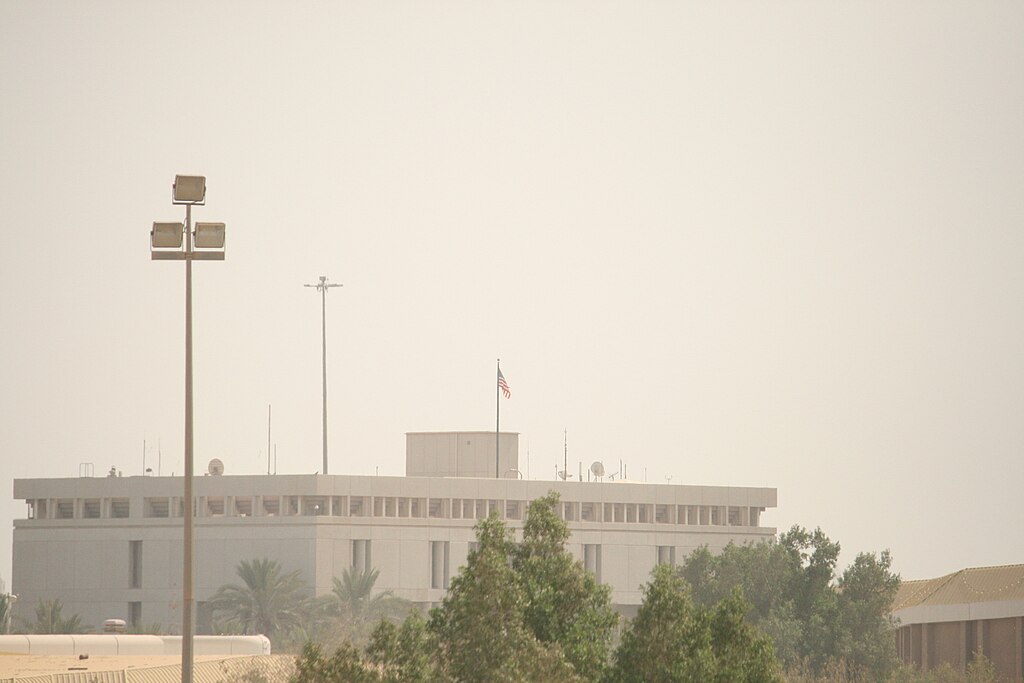
In Saudi Arabia, two drones struck near the U.S. embassy compound in Riyadh, causing minor damage and a fire but no reported casualties.
The U.S. mission in Saudi Arabia also warned of an imminent risk of missile and drone attacks over Dhahran, a major oil hub in the country.
Americans in the kingdom have been advised to shelter in place and avoid unnecessary travel.
Americans Urged to Leave Quickly
The State Department has issued one of its strongest travel warnings in recent years, encouraging Americans throughout the region to depart immediately while flights are still available.
However, options to leave are becoming increasingly limited.
Several countries have partially closed their airspace as missile and drone activity continues across the region. At the same time, airlines have canceled flights and demand for remaining seats has surged.
The U.S. embassy in Jerusalem acknowledged that evacuation capacity is limited.
“There are VERY LIMITED options for Americans seeking to depart,” U.S. Ambassador to Israel Mike Huckabee wrote on social media.
Officials said the embassy currently does not have the capacity to conduct large-scale evacuations.
Military and Diplomatic Pressure Mounts
The closures come as the broader regional conflict intensifies.
Iran has launched missile and drone attacks across the Middle East following the weekend strikes. U.S. officials say the attacks target American and allied interests across multiple countries.
So far, six American service members have been killed, according to U.S. officials.
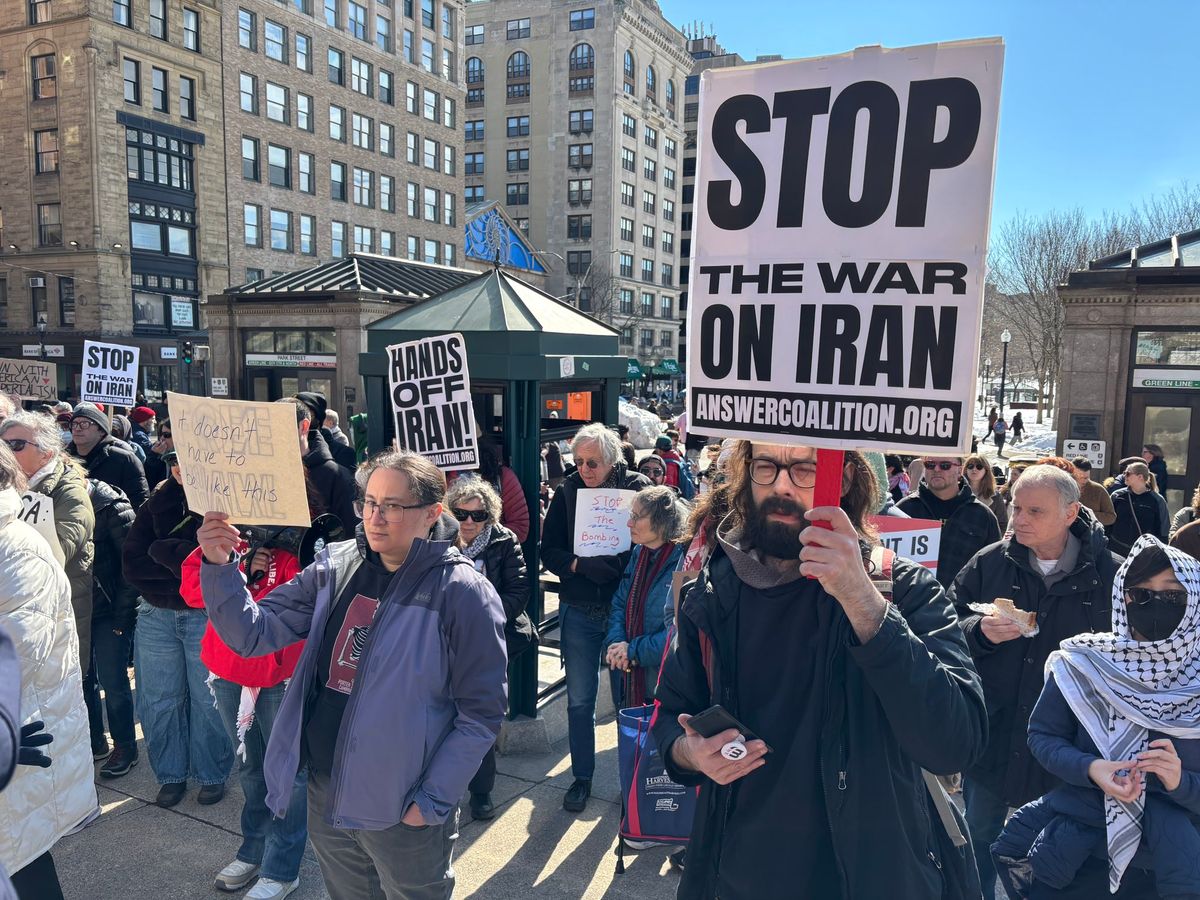
At the same time, protests against U.S. involvement have erupted in several countries.
In Pakistan, demonstrators attempted to storm the American consulate in Karachi during protests that turned violent in several areas.
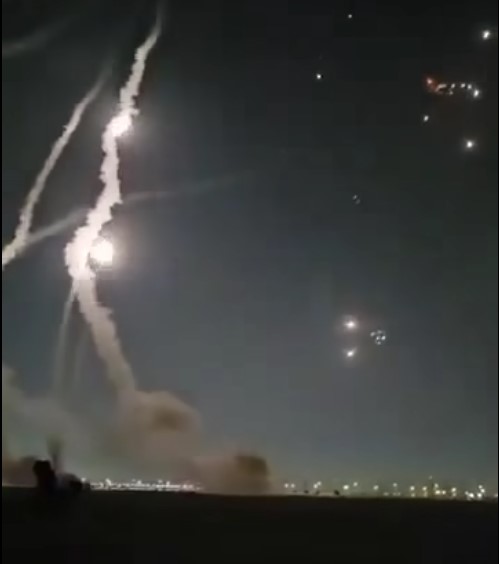
Image screenshot from Facebook: Ahmed Fouad Alkhatib
Questions Over Preparation
The rapid escalation has prompted criticism from some lawmakers and diplomats who say evacuation warnings should have been issued earlier.
Several Democratic lawmakers questioned why Americans were not urged to leave the region sooner, especially given that the U.S. had been increasing military forces in the Middle East in the weeks leading up to the strikes.
Senator Andy Kim (D-N.J.) wrote on social media that evacuation guidance came too late.
“Warnings to citizens to evacuate three days into this war, when airspace is closed, is a clear sign of zero strategy and planning,” Kim said.
Senator Chris Murphy (D-Conn.) also criticized the administration’s response, calling the situation “incompetence everywhere.”
Former diplomats echoed those concerns, saying the State Department’s ability to respond may have been weakened by staffing shortages and vacant ambassador positions across parts of the region.
White House Response
President Donald Trump defended the administration’s response when asked why evacuation efforts were not launched earlier.
“Well, because it happened all very quickly,” Trump told reporters at the White House. “I thought we were going to have a situation where we were going to be attacked. They were getting ready to attack Israel.”
Trump has said the military campaign could continue for several weeks, with ongoing air strikes targeting Iranian military infrastructure.
On social media, he described the operation as necessary to achieve “peace throughout the Middle East and, indeed, the world.”
Israeli Prime Minister Benjamin Netanyahu has also expressed confidence that the campaign will be short.
“This is going to be a quick and decisive action,” Netanyahu said in a television interview.
Evacuation Plans Under Consideration
U.S. officials say they are working to secure charter flights and potentially military aircraft to assist Americans who wish to leave the region.
However, the Pentagon has not yet activated the Civil Reserve Air Fleet (CRAF) program, which allows the military to use commercial airline aircraft during emergencies.
The program was last activated during the 2021 Afghanistan evacuation.
For now, Americans in the Middle East are being told to leave using commercial flights while they remain available.
But with airspace closures expanding and the conflict continuing to intensify, the window to depart safely may be narrowing.
Featured image from: CGTNEurope