
What began as a five-day delay is now a longer gamble on diplomacy, with Tehran, Iran denying talks and investors no longer betting on a quick end
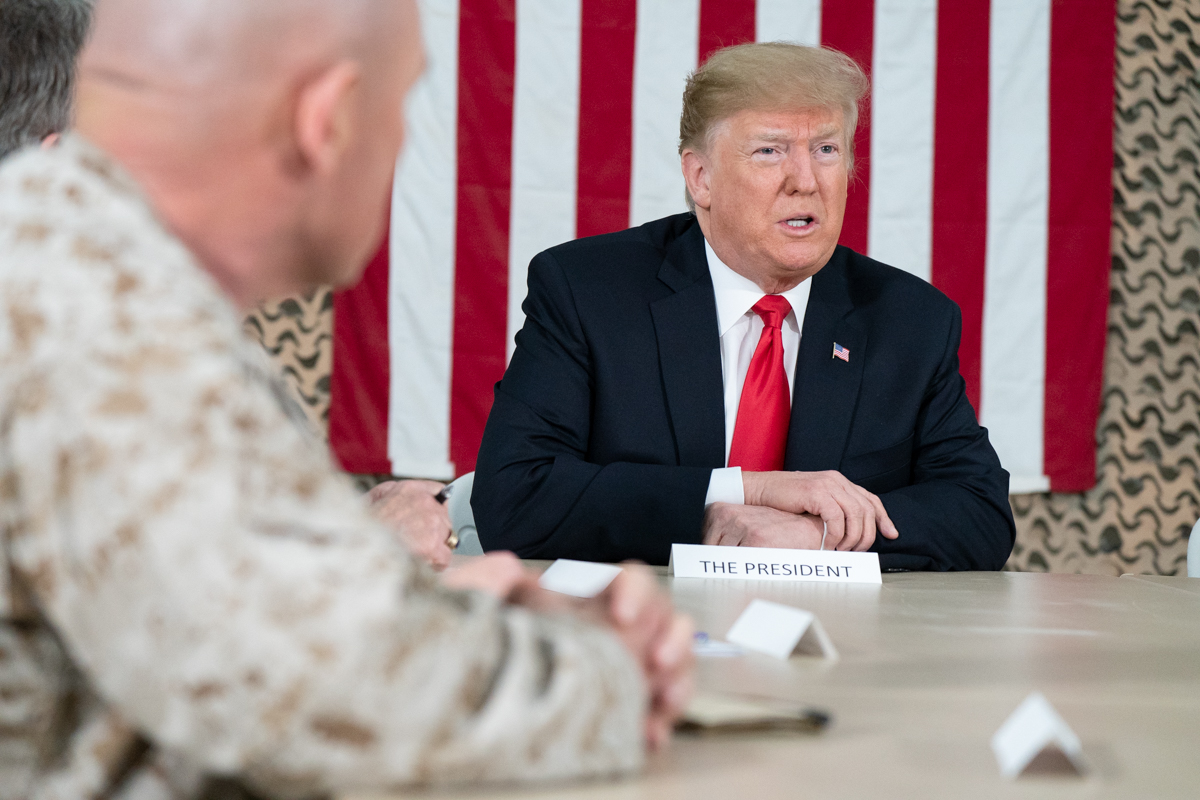
President Donald Trump’s decision to postpone strikes on Iran’s energy infrastructure was initially framed as a sign that the war might be nearing an off-ramp. But recent developments suggest a more complicated reality: the pause has stretched into a longer, more uncertain standoff, and the early optimism in financial markets is already beginning to fade.
Earlier this week, Trump said the United States had held “very strong” talks with Iran and delayed attacks on Iranian power plants for five days. Since then, that window has expanded. Reports indicate the administration has effectively extended its timeline, buying additional time for negotiations as it attempts to secure a broader agreement.
That shift changes the tone of the story. What began as a short pause tied to active talks is now evolving into a prolonged test of whether diplomacy can keep pace with military pressure.
The original pause has become a bigger test
When Trump first announced the delay, he described the talks as “productive” and suggested there were “major points of agreement.” The White House presented that as a potential opening for de-escalation, particularly around the Strait of Hormuz, a critical global shipping lane that has been disrupted by the conflict.
But Iran has pushed back on that narrative.
Officials in Tehran have rejected the idea that meaningful negotiations are taking place on U.S. terms, and reports indicate that Iran has not accepted key elements of proposed frameworks. Iranian leadership has continued to demand an end to military strikes and broader concessions before engaging on the terms outlined by Washington.
That disconnect is now central to the situation. While the U.S. signals progress, Iran is publicly denying it, leaving the true state of negotiations unclear.
Markets no longer seem convinced a deal is close
The initial reaction to Trump’s announcement was swift. Oil prices dropped and stock markets rose as investors interpreted the pause as a sign that tensions might ease and global energy flows could stabilize.
But that confidence has not held.
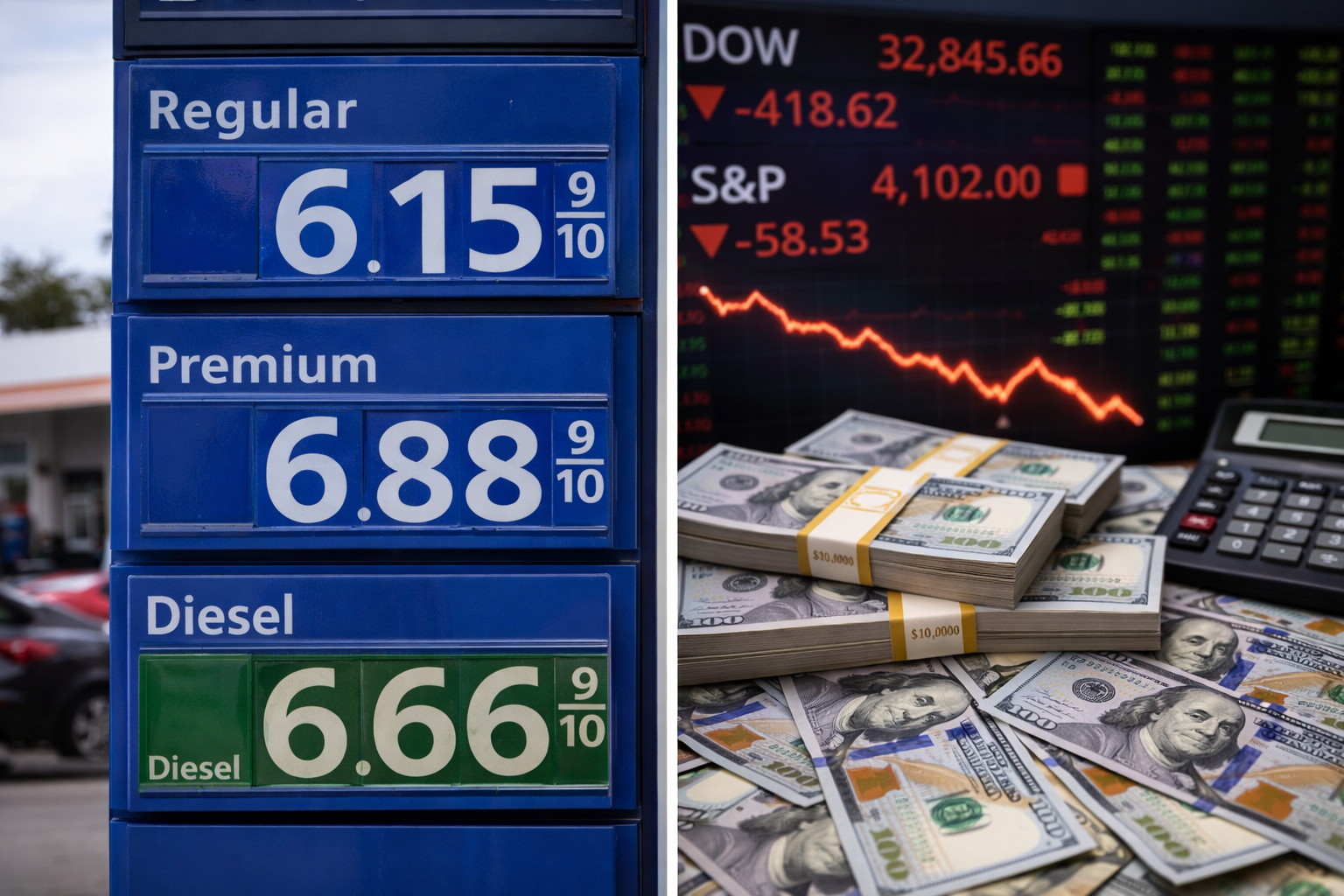
As uncertainty around the talks has grown, markets have started to shift again. Oil prices remain elevated compared to pre-conflict levels, and volatility has returned as investors weigh the risk that negotiations could stall or collapse.
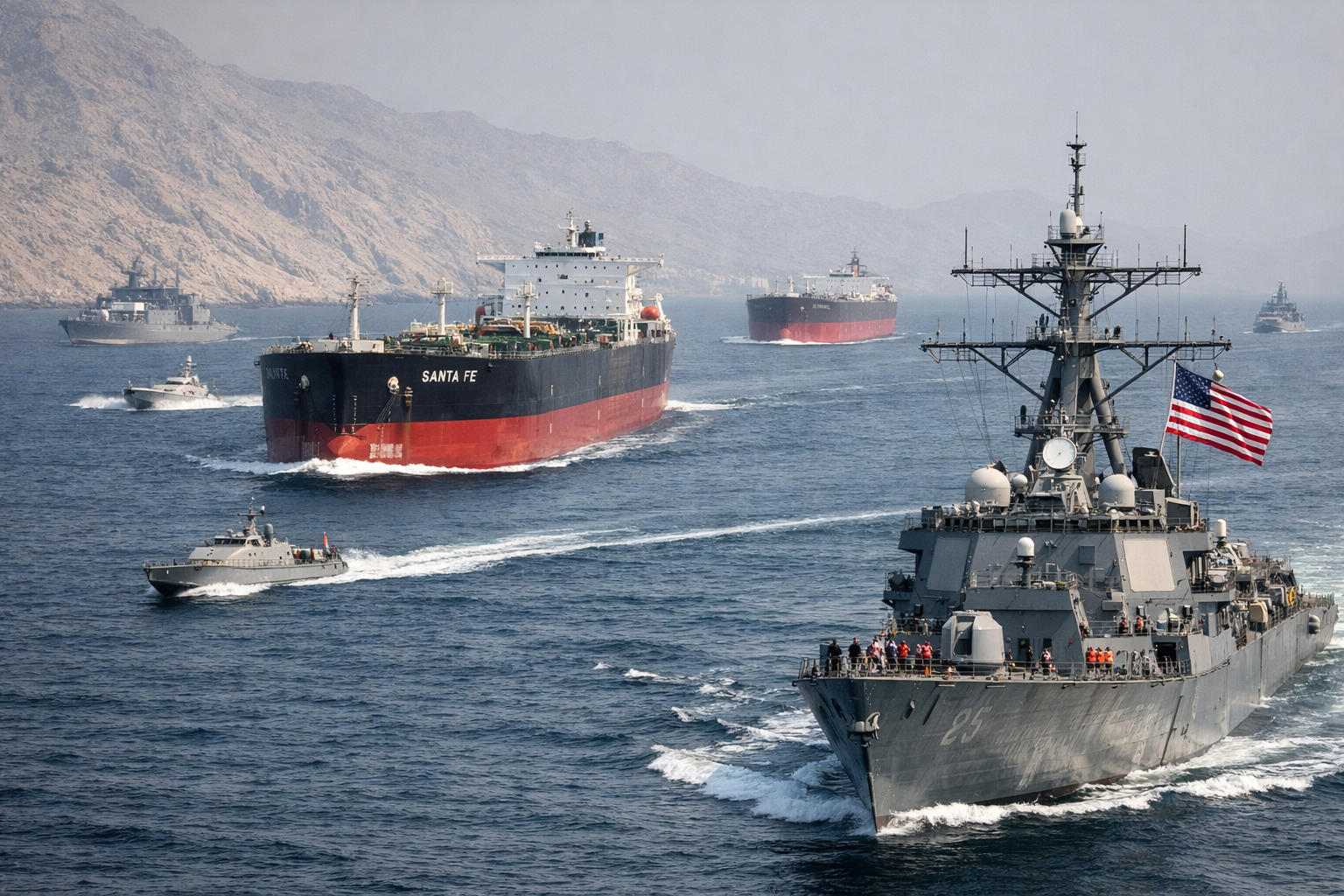
At the center of it all is the Strait of Hormuz. Any prolonged disruption to this route continues to threaten global supply chains and energy pricing, making even short-term uncertainty economically significant.
The real goal is bigger than reopening the waterway
While reopening shipping routes is the most immediate concern, the broader objective goes beyond that.
The Trump administration has tied any long-term resolution to Iran’s nuclear program, seeking commitments that would prevent further development toward nuclear weapons capability. That adds a layer of complexity to the negotiations, making a quick agreement far less likely.
A deal that stabilizes shipping is one thing. A deal that reshapes military posture, nuclear policy, and regional dynamics is something much larger, and much harder to achieve.
At the same time, the military option remains on the table. The pause in strikes has not signaled a full retreat, but rather a delay, with the possibility of escalation still very real if talks fail.
A Pause That Buys Time, Not Peace
What’s taking shape instead is a strategic pause rather than a clear exit.
By holding off on strikes, the administration appears to be buying time, creating space for diplomacy without committing to a full de-escalation. But that window has yet to produce the kind of breakthrough Trump has suggested is within reach.
The stakes stretch far beyond foreign policy. If negotiations collapse, the impact is likely to be felt quickly at home through rising fuel costs, market volatility, and the risk of a longer conflict than initially anticipated. If talks move forward, however, the White House could frame the delay as a calculated move that applied pressure without triggering a deeper global energy shock.
For now, the situation remains fluid. Deadlines are shifting, signals are mixed, and despite the pause in strikes, a durable agreement still appears uncertain.
What happens next
The next phase will depend on whether negotiations can produce tangible results within the extended timeline.
If progress is made, the administration may continue to delay military action while working toward a broader agreement. If not, previously threatened strikes on Iranian infrastructure could return to the forefront, raising the risk of renewed escalation.
Meanwhile, Iran continues to signal resistance, and regional tensions remain high. That leaves both diplomacy and conflict advancing at the same time, a fragile balance that could shift quickly.
The bottom line
The pause in strikes has not ended the conflict. It has simply changed its pace.
What happens next will determine whether this moment becomes a turning point toward de-escalation, or just a brief delay before the next phase of the war begins.
Featured Image from: The White House from Washington, DC, Public domain, via Wikimedia Commons