
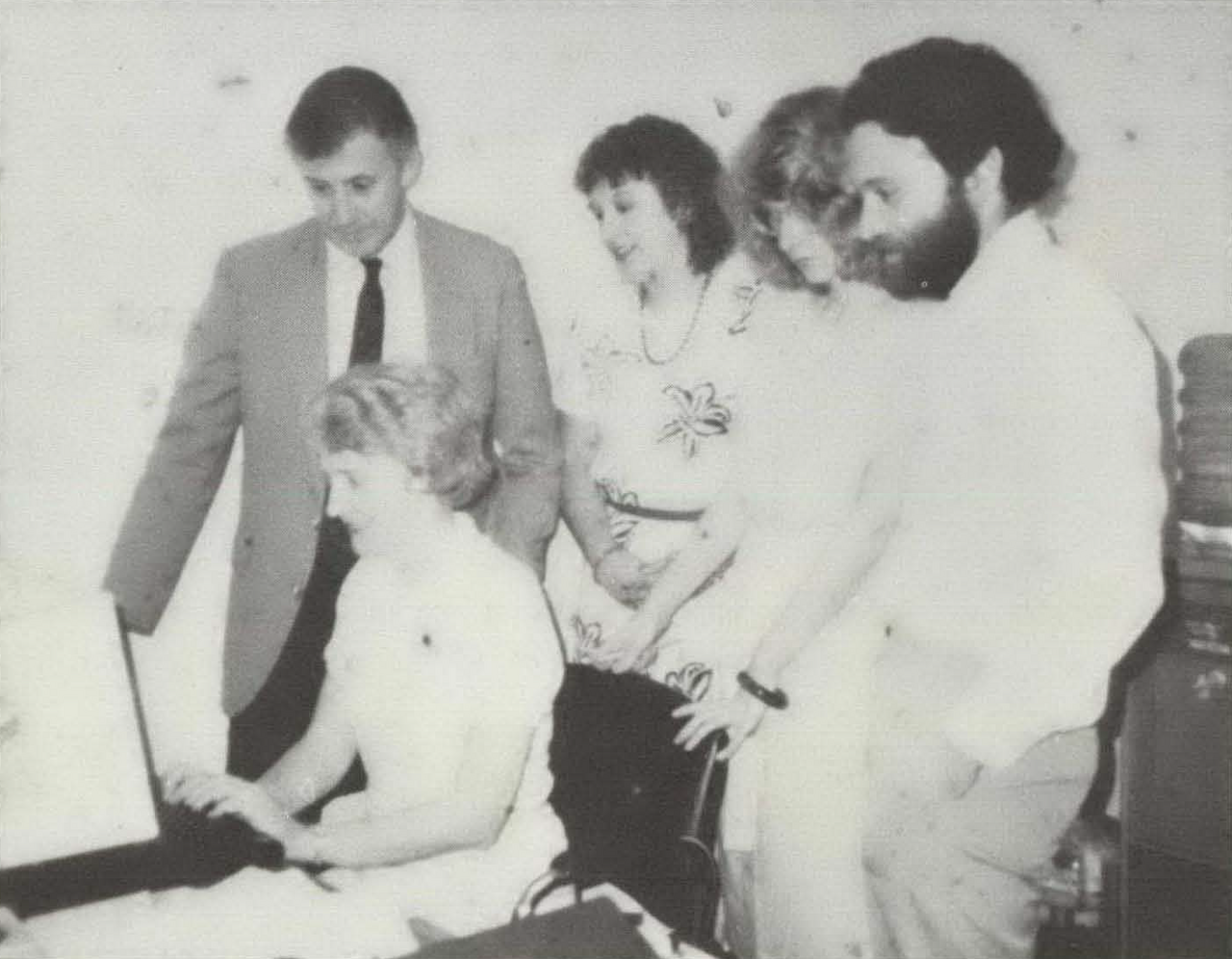
Ann Burgess helped build modern criminal profiling by asking one question no one else thought to ask
In the mid-1970s, the FBI was sitting on something unprecedented, hours of recorded interviews with some of the most violent serial killers in America.
Agents had traveled across the country, sitting in prison cells, documenting confessions and conversations with murderers in an attempt to understand how they think.
They believed they were building the future of criminal investigation.
But there was one problem.
They had no system. No structure. No real way to turn those conversations into usable intelligence.
Then a psychiatric nurse walked in, and changed everything.
The Moment That Changed the Investigation
Her name was Ann Burgess.
In 1975, at the FBI’s Behavioral Science Unit in Quantico, Burgess listened to the agents’ recordings and delivered a blunt assessment.
“This isn’t research. This is just… stories.”
The room went quiet.
The agents had access to some of the most dangerous minds in the country, but they weren’t collecting consistent data. Every interview was different. Every conversation went wherever the killer wanted it to go.
There was no methodology.
Burgess saw it immediately.
“You’re sitting on something extraordinary,” she told them. “But the way you’re doing this? It’s scientifically worthless.”

A Different Way of Seeing Crime
Burgess wasn’t an FBI agent.
She was a psychiatric nursing professor at Boston College, a researcher who had spent years studying trauma, particularly in victims of sexual assault.
In 1974, she published groundbreaking research that helped establish what is now known as rape trauma syndrome, proving that sexual violence causes long-term psychological damage.
At the time, that idea was still widely dismissed in courts.
The FBI invited her to Quantico for a lecture.
She ended up reshaping how they investigated violent crime.
The Question That Changed Everything
As agents described their interviews with killers, Burgess noticed something critical.
The conversations focused almost entirely on the offenders, their thoughts, their motivations, their egos.
The killers were performing.
They controlled the narrative.
And the FBI agents, fascinated by access to these minds, had missed the most important part of the crime.
The victims.
Burgess asked a simple question:
“Tell me about the women they killed.”
The agents were confused.
She clarified:
“Who were they? Where were they found? What were they doing? How were they approached? How was control established?”
This wasn’t about what the killer said.
It was about what actually happened.
“If you study the victims, really study them, you’ll see the pattern,” Burgess explained. “That will tell you more about the offender than anything he says.”
Building the Science of Profiling
That insight became the foundation of modern criminal profiling.
Burgess helped redesign the FBI’s approach by introducing:
- Structured interview protocols
- Victimology as a central investigative tool
- The distinction between MO vs. signature behavior
- Analysis of offender patterns over time
- Understanding victim response as survival, not weakness
For the first time, profiling became scientific, not just intuition.
The Case That Proved It Worked
In 1983, the methodology was put to the test.
A series of murders involving young boys in Nebraska shocked investigators.
Using Burgess’s framework, the FBI developed a profile.
Authorities arrested John Joseph Joubert IV, a 20-year-old assistant scoutmaster.
He was later convicted of multiple murders.
The case helped legitimize criminal profiling nationwide.
The Recognition That Didn’t Come
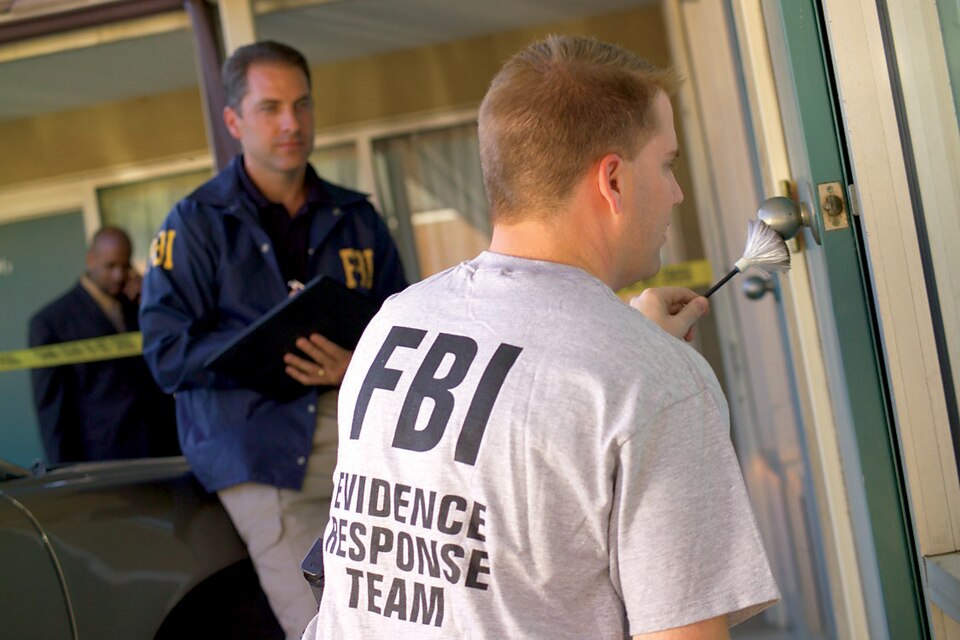
As profiling gained fame, the public narrative focused on FBI agents like Robert Ressler and John Douglas.
Burgess’s role was often minimized.
She co-authored foundational works still used today, but her name was frequently left out of the spotlight.
The Story Gets Rewritten
When Mindhunter became a hit, a character based on Burgess appeared, but heavily fictionalized.
In reality, Burgess:
- Never relocated full-time to Quantico
- Continued teaching in Boston
- Raised three children
- Balanced academia with FBI consulting
For years, most people didn’t realize the character was based on a real person.
Finally Telling Her Own Story
It wasn’t until 2021 that Burgess published her own account: A Killer by Design.
Then in 2024, a documentary finally placed her at the center of the story.
Audiences realized something important:
She wasn’t just part of the story.
She helped build it.
A Legacy Still Being Written
Today, Ann Burgess continues to teach and consult.
Her work has:
- Influenced modern criminal investigations
- Changed how victims are understood
- Helped build profiling into a scientific discipline
And it all started with one question:
“Tell me about the women they killed.”
Featured image from: Federal Bureau of Investigation, Public domain, via Wikimedia Commons