
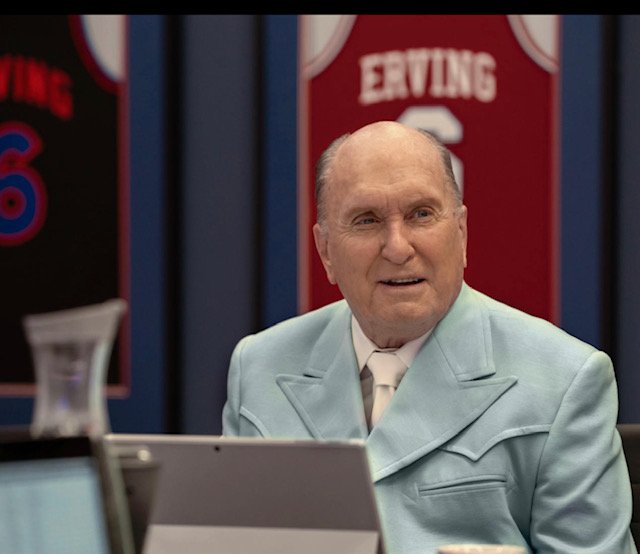
Acclaimed performer known for “The Godfather,” “Tender Mercies,” and “Apocalypse Now” leaves behind a career spanning more than six decades
Robert Duvall, the Oscar-winning actor whose quiet intensity and range made him one of Hollywood’s most respected performers, has died at 95.
Duvall died “peacefully” at his home Sunday in Middleburg, Virginia, according to an announcement from his publicist and a statement posted on Facebook by his wife, Luciana Duvall.
“To the world, he was an Academy Award-winning actor, a director, a storyteller. To me, he was simply everything,” Luciana Duvall wrote. “His passion for his craft was matched only by his deep love for characters, a great meal, and holding court. For each of his many roles, Bob gave everything to his characters and to the truth of the human spirit they represented.”
His death marks the end of a career that stretched from the early 1960s into the 21st century, defined by meticulous preparation, emotional control and a willingness to inhabit characters both heroic and deeply flawed.
A Defining Presence in ‘The Godfather’
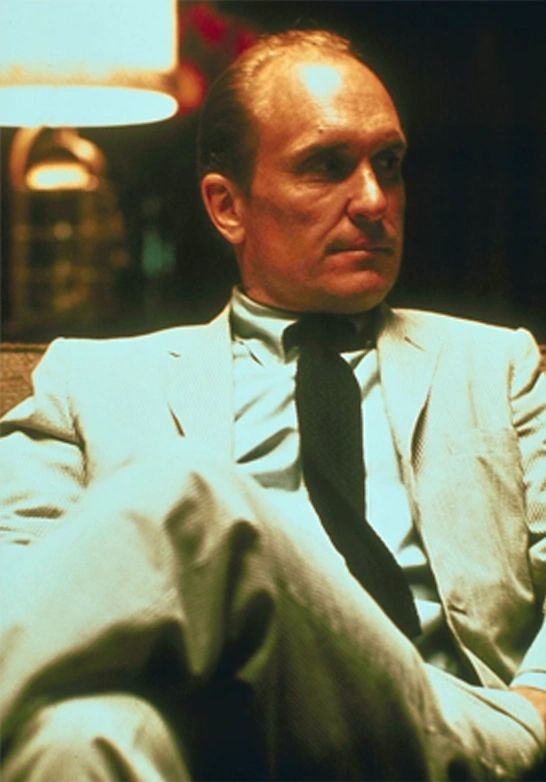
Duvall had been working steadily for two decades when his role as Tom Hagen in Francis Ford Coppola’s 1972 film “The Godfather” made him a household name.
Cast alongside Marlon Brando and Al Pacino, Duvall portrayed the Corleone family’s loyal consigliere, an Irish-American outsider within an Italian crime dynasty. His performance was marked by restraint. Often listening rather than speaking, Hagen functioned as the steady hand behind the family’s decisions.
Film critic David Thomson once wrote of Duvall’s work: “Stars and Italians alike depend on his efficiency, his tidying up around their grand gestures, his being the perfect shortstop on a team of personality sluggers. Was there ever a role better designed for its actor than that of Tom Hagen in both parts of ‘The Godfather?’”
Duvall received an Academy Award nomination for best supporting actor for the role. He would later turn down participation in the third installment of the trilogy due to a salary dispute, a decision that drew attention at the time.
From Battlefield to Back Roads: Unforgettable Performances
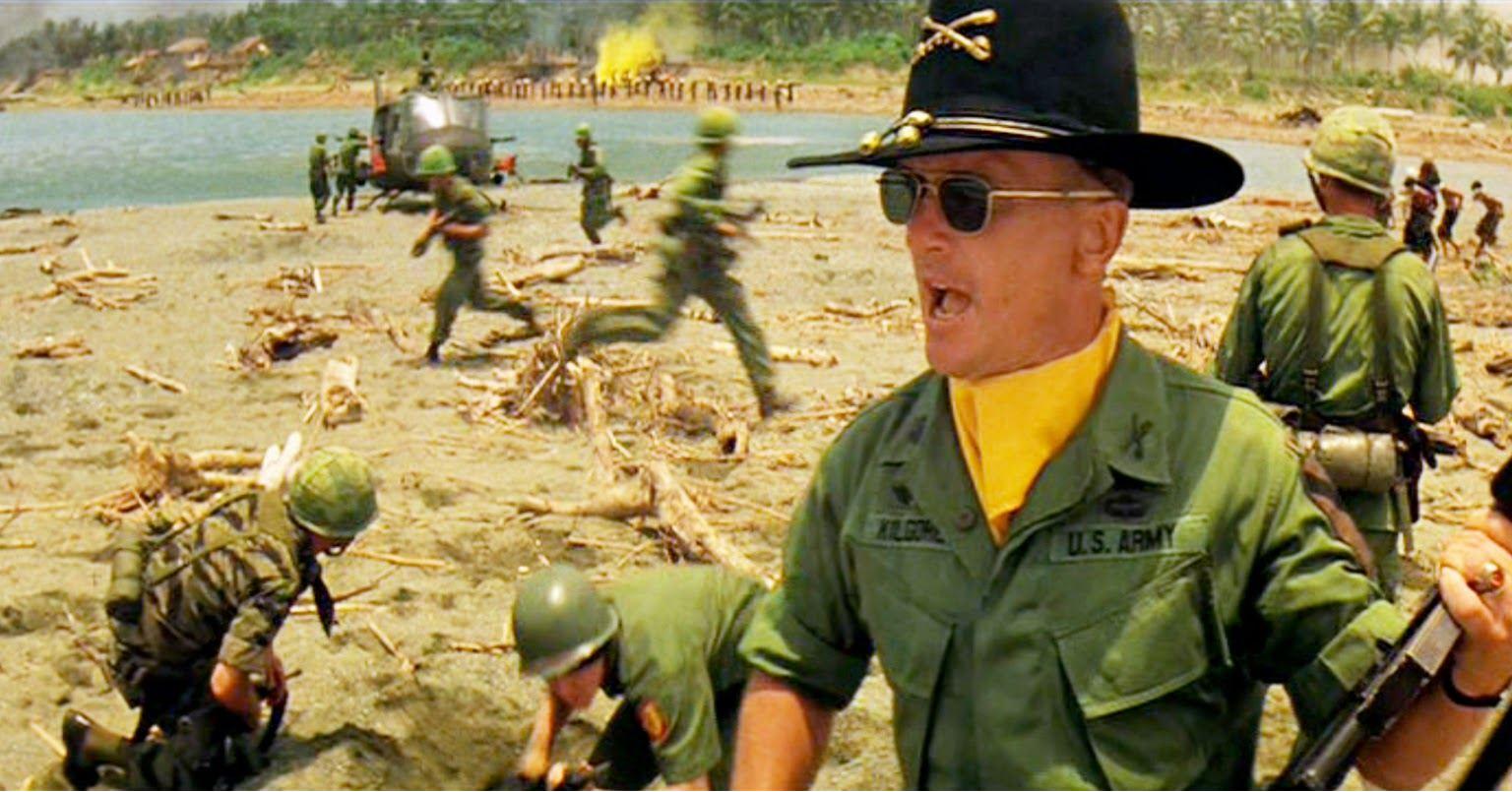
In Coppola’s 1979 war epic “Apocalypse Now,” Duvall delivered one of the most quoted lines in film history as Lt. Col. Bill Kilgore, a surfing-obsessed cavalry officer amid the chaos of Vietnam.
“I love the smell of napalm in the morning,” his character declares in a now-iconic monologue. The performance earned Duvall another Oscar nomination.
Coppola once commented on his process: “Actors click into character at different times, the first week, third week. Bobby’s hot after one or two takes.”
Duvall’s range extended far beyond military men and mob lawyers. In 1983’s “Tender Mercies,” he portrayed Mac Sledge, a washed-up country singer seeking redemption. The role earned him the Academy Award for best actor in 1984. Accepting the award in a cowboy tuxedo, Duvall cemented his reputation as both craftsman and character.
Over his career, he received seven Academy Award nominations and won four Golden Globes, including one for his portrayal of Augustus McCrae in the 1989 miniseries “Lonesome Dove,” a role he often cited as his favorite.
In 2005, Duvall was awarded the National Medal of Arts in recognition of his contributions to American culture.
A Relentless Work Ethic
Fellow actors frequently remarked on Duvall’s discipline and intensity. Michael Caine, who appeared with him in 2003’s “Secondhand Lions,” told The Associated Press: “Before a big scene, Bobby just sits there, absolutely quiet; you know when not to talk to him.”
Duvall himself reflected on longevity in a 1990 interview with the AP while promoting “Colors”: “Well, if you don’t overwork, have some hobbies, you can do it and stay hungry even if you’re not really hungry.”
That hunger was evident in projects he shepherded personally. In 1998, he earned an Oscar nomination for “The Apostle,” a film about a troubled Southern preacher that he wrote, directed, produced and largely financed after spending years researching and developing it.
His later career included roles in “The Judge,” for which he received a supporting actor nomination in 2014, as well as appearances in “Widows” and “12 Mighty Orphans.”
Early Life and Path to the Stage
Born Robert Selden Duvall in 1931 in San Diego, he grew up in Navy towns including Annapolis, Maryland. His father rose to the rank of admiral. Duvall later said he drew on his father’s personality for the authoritarian Marine pilot in “The Great Santini.”
“My dad was a gentleman but a seether, a stern, blustery guy, and away a lot of the time,” he said in 2003.
He struggled academically and nearly failed out of Principia College before discovering acting. Recalling a formative performance, he told the AP in 1990: “At one point I had this emotional moment, where this emotion was pouring out. Parker said at that moment he didn’t think acting can be carried any further than that. … So I thought, at that moment at least, this is what I wanted to do.”
After serving two years in the Army, Duvall studied at the Neighborhood Playhouse in New York on the G.I. Bill, alongside future stars such as Gene Hackman and Dustin Hoffman. His 1962 film debut as Boo Radley in “To Kill a Mockingbird” began a body of work that would span more than 60 years.
Personal Life
Duvall married Luciana Pedraza in 2005. He had been married three times previously; those marriages ended in divorce.
Beyond acting, he directed personal film projects and nurtured a long-standing passion for tango, which inspired the 2003 film “Assassination Tango,” in which he starred.
Over decades, Duvall became known not for celebrity spectacle but for craft, an actor who could disappear into roles, whether playing a mob lawyer, a cavalry officer, a preacher, a country singer or a patriarch.
With his death, American cinema loses one of its most enduring and disciplined performers.
Featured image from Facebook: Robert Duvall