

Decision to Drop Case After Prison Sentence Raises New Questions About Congressional Enforcement
The Justice Department has asked a federal judge to dismiss the criminal contempt case against Steve Bannon, effectively seeking to erase his conviction tied to the House investigation into the Jan. 6, 2021 attack on the U.S. Capitol.
The motion, filed Monday, requests that the court vacate Bannon’s conviction, even though he has already served a four-month federal prison sentence. If approved, the decision would wipe the conviction from his record.
The filing marks a significant reversal in one of the most high-profile prosecutions connected to the congressional Jan. 6 investigation.
What the Justice Department Is Requesting
In its motion, federal prosecutors stated that dismissing the case would be “in the interests of justice.”
“The government has determined in its prosecutorial discretion that dismissal of this criminal case is in the interests of justice,” the filing reads.
Jeanine Pirro, the U.S. attorney for the District of Columbia, submitted a separate request in lower court formally seeking dismissal. The filing notes that Bannon does not oppose the motion.
If the judge approves the request, Bannon’s conviction would be vacated. Because he has already completed his sentence, the immediate practical effect would be limited, but the legal significance could be substantial.
How the Case Began
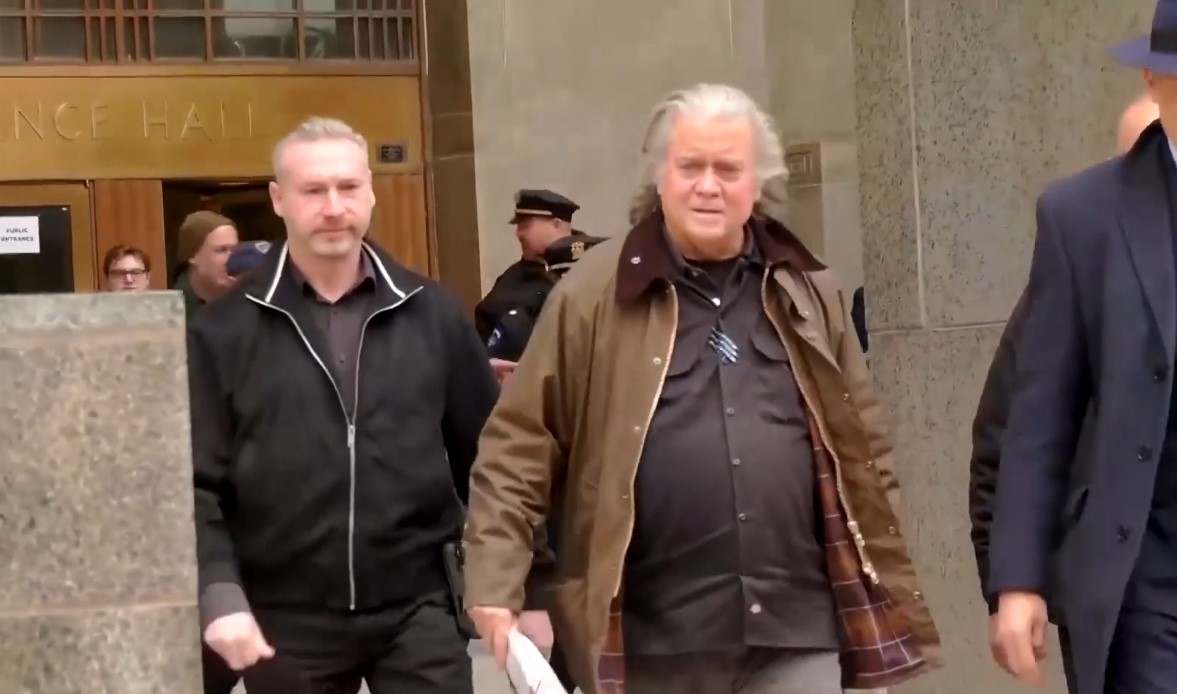
Bannon was convicted in 2022 on two counts of contempt of Congress after refusing to comply with a subpoena issued by the House select committee investigating the Capitol riot.
The committee had requested documents and testimony related to statements Bannon made in the days leading up to Jan. 6. On Jan. 5, 2021, Bannon told listeners of his radio show, “All hell is going to break loose tomorrow,” a comment that drew the committee’s attention as it examined efforts to challenge the 2020 election results.
When Bannon declined to appear or produce documents, the House voted to hold him in contempt in 2021.
At trial, prosecutors argued that Bannon willfully ignored a lawful congressional subpoena. Bannon’s legal team contended that he was following former President Donald Trump’s claim of executive privilege, an argument the court rejected.
He was sentenced to four months in prison and reported to federal custody in 2024.
A Supreme Court Appeal Takes a Turn
Bannon had petitioned the U.S. Supreme Court to review his conviction, and the government’s response to that appeal was due this week.
Instead of defending the conviction, Solicitor General John D. Sauer asked the high court to vacate the judgment and send the case back to a lower court for dismissal.
Deputy Attorney General Todd Blanche argued that the congressional subpoena underlying the case was “improper,” signaling a shift in how the Justice Department now views the prosecution.
The request effectively means the department is asking to undo a conviction secured under a prior administration.
Why This Matters Beyond One Case
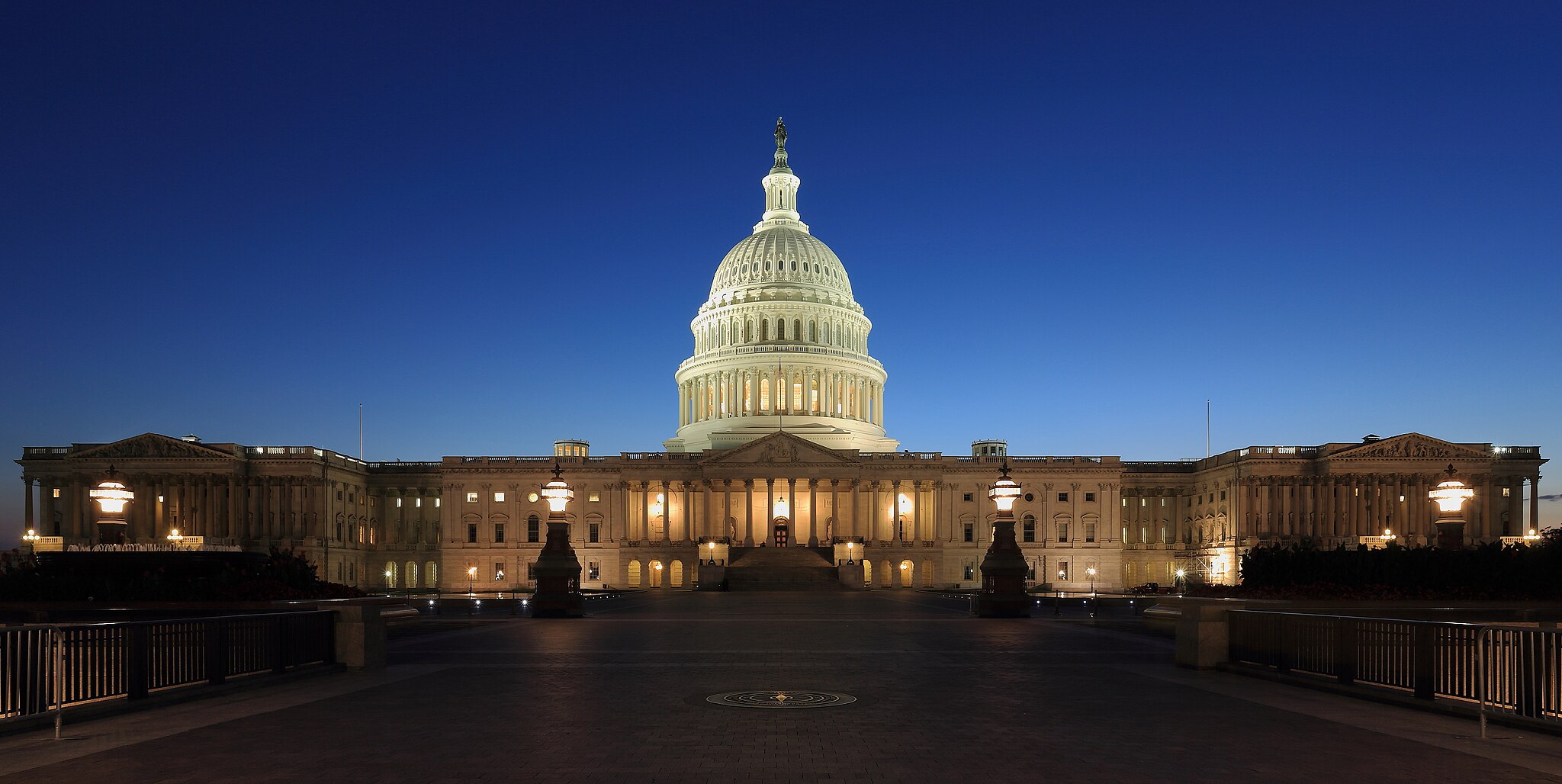
At the center of this development is a broader question about congressional oversight.
Contempt of Congress charges are relatively rare. They are one of the few tools lawmakers have to enforce subpoenas when witnesses refuse to cooperate.
In 2022, then-Rep. Bennie Thompson and then-Rep. Liz Cheney, leaders of the Jan. 6 committee, defended Bannon’s prosecution as necessary to uphold the authority of Congress.
“As the prosecutor stated, Steve Bannon ‘chose allegiance to Donald Trump over compliance with the law,’” they said in a joint statement at the time.
Now, the Justice Department is seeking to erase that conviction entirely.
For American readers, the decision raises a larger issue: If criminal contempt convictions can later be dismissed after a change in administration, what does that mean for future congressional investigations?
Congress relies on the executive branch, specifically the Justice Department, to enforce subpoenas. If enforcement decisions shift depending on who controls the White House, the practical strength of congressional oversight may depend on political alignment.
At the same time, Justice Department officials argue that prosecutorial discretion allows them to reassess past cases and determine whether continuing them serves justice.
A federal judge must still approve the dismissal before the conviction is formally vacated.
What Happens Next
If the court grants the request, Bannon’s criminal record related to the contempt conviction would be cleared.
The move would not affect the historical record of the Jan. 6 investigation itself. However, it would mark a significant shift in how the federal government handles enforcement actions tied to congressional subpoenas.
The case could also influence how future administrations approach disputes between Congress and the executive branch.
For now, the final decision rests with the court.
Featured image from: US DOJ/Epstein files