
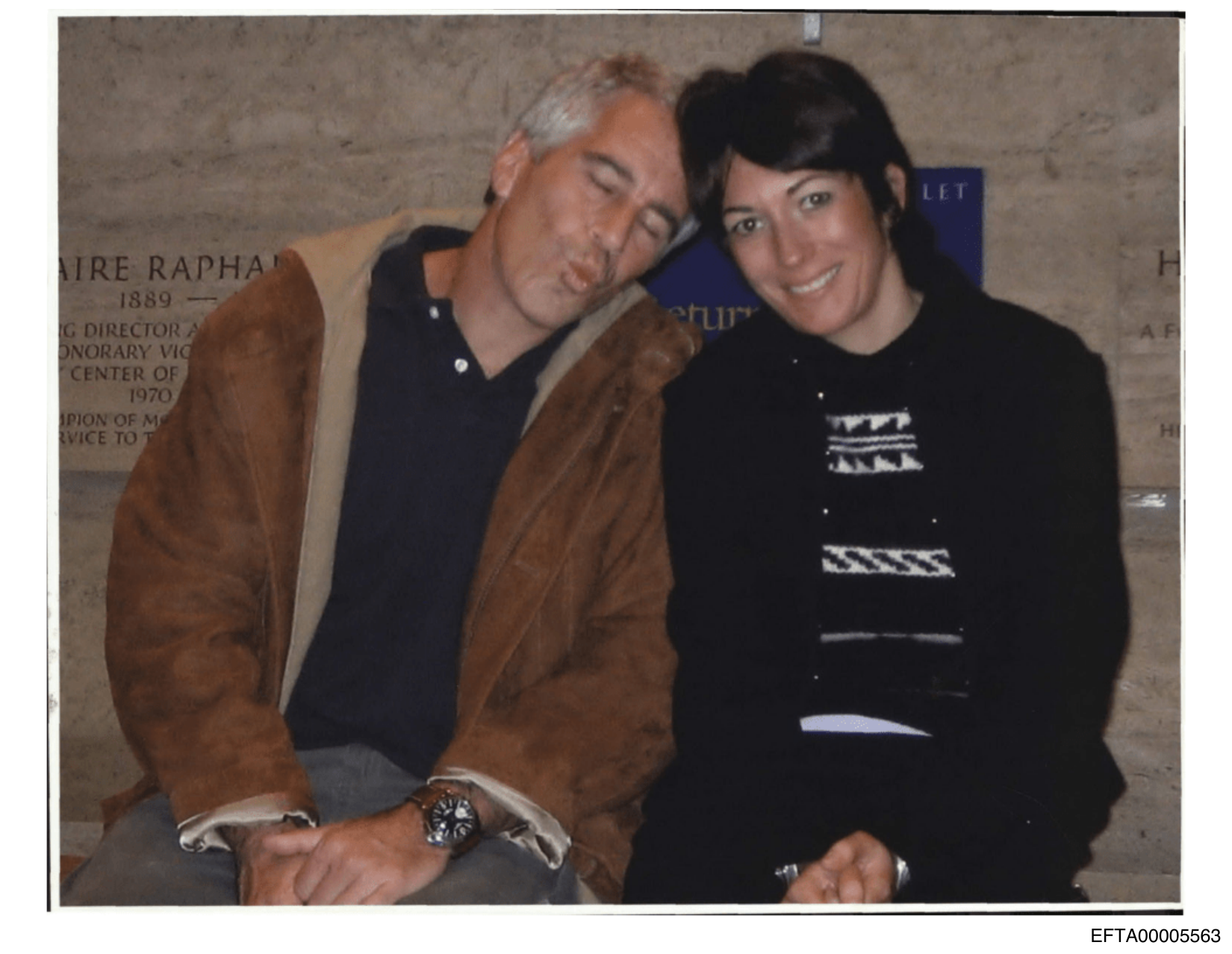
Convicted Epstein Associate Refuses to Answer Questions Without Presidential Relief
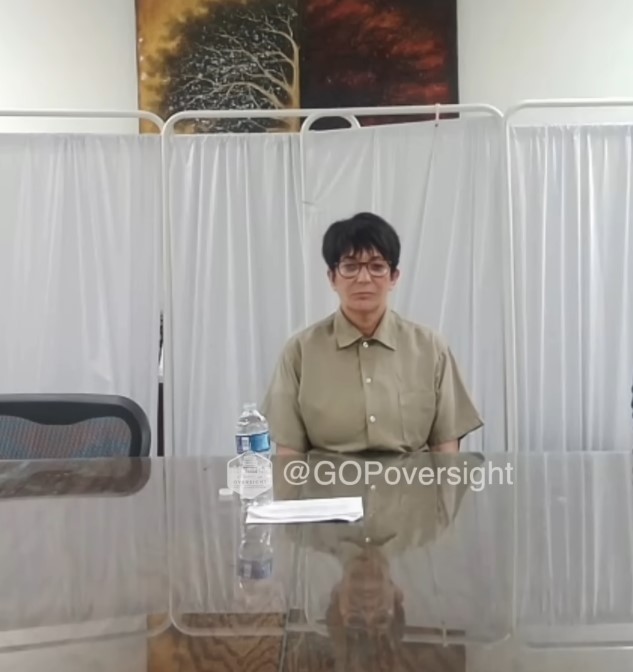
Ghislaine Maxwell invoked her Fifth Amendment right against self-incrimination during a deposition before the House Oversight Committee, declining to answer lawmakers’ questions about Jeffrey Epstein and his associates.
The virtual deposition marked Maxwell’s first appearance before Congress since her 2021 conviction on federal sex trafficking charges. Lawmakers had sought testimony related to Epstein’s crimes and potential co-conspirators.
Instead, Maxwell repeatedly declined to respond.
“I invoke my Fifth Amendment right,” she said multiple times during questioning, according to committee members present.
Her attorney stated that Maxwell would be willing to testify if granted clemency by President Donald Trump.
Why Maxwell Refused to Testify
Maxwell is currently serving a 20-year federal sentence after being convicted in 2021 of helping Epstein recruit and abuse underage girls over nearly a decade.
Because she continues to pursue appeals and legal remedies, her legal team argues that answering congressional questions could jeopardize her case.
Her attorney, David Markus, told lawmakers that Maxwell would speak “fully and honestly” if granted clemency.
“If this committee and the American public want to hear the full truth,” Markus said, “there is a straightforward path.”
He did not indicate that any clemency offer has been made. The White House has not publicly commented on whether clemency is under consideration.
Lawmakers React
House Oversight Committee Chairman James Comer said the panel was not surprised by Maxwell’s refusal.
“As expected, Ghislaine Maxwell took the Fifth and declined to answer our questions,” Comer said after the session.
Democratic members expressed frustration, arguing that her silence leaves unanswered questions about Epstein’s broader network.
Rep. Robert Garcia, the ranking Democrat on the committee, said Maxwell “provided no information about those involved in Epstein’s crimes.”
Other lawmakers characterized the clemency condition as a legal strategy rather than cooperation.
Rep. Suhas Subramanyam said the move appeared to be “an attempt to negotiate leverage.”
Republican Rep. Andy Biggs said Maxwell’s attorney indicated she has not implicated President Trump or former President Bill Clinton in criminal conduct.
No new allegations were made during the deposition, as Maxwell declined substantive responses.
Contrast With Prior DOJ Cooperation
Maxwell’s refusal to testify before Congress contrasts with a prior interview she conducted with the Justice Department.
Last year, Maxwell participated in a two-day interview with federal officials, according to DOJ records. A transcript released publicly shows she answered questions about Epstein and individuals in his circle.
The Justice Department has not indicated that her congressional refusal changes her legal status.
Her attorney had previously informed lawmakers that she would require immunity or clemency to testify. The Oversight Committee did not agree to those conditions.
Where Her Legal Case Stands Now
Maxwell remains incarcerated while continuing to pursue appeals related to her conviction.
In 2021, a federal jury found her guilty on five counts related to sex trafficking and conspiracy. She was sentenced to 20 years in prison in 2022.
Her legal team has challenged aspects of the trial and sentencing in appellate courts. Those proceedings are ongoing.
Maxwell also appears in recently released Justice Department documents connected to broader disclosures related to Epstein’s network. The document release has renewed congressional interest in additional testimony from individuals connected to Epstein.

Broader Congressional Investigation
The House Oversight Committee has issued subpoenas to multiple individuals as part of its expanded review of the Epstein case.
Lawmakers have sought testimony from former government officials, financial associates, and individuals identified in Epstein-related records.
The committee has also requested documents from the Justice Department and from Epstein’s estate.
Whether Maxwell ultimately testifies may depend on the outcome of her appeals or any future executive action.
For American readers, the situation raises broader questions about how Congress balances oversight authority with defendants’ constitutional rights.
The Fifth Amendment protects individuals from being compelled to provide testimony that could be self-incriminating, even in congressional proceedings.
At the same time, lawmakers argue that public accountability requires answers about how Epstein’s crimes were allowed to continue for years.
For now, Maxwell’s silence keeps those questions unresolved.
Featured image from: Justice/DOJ Disclosures