
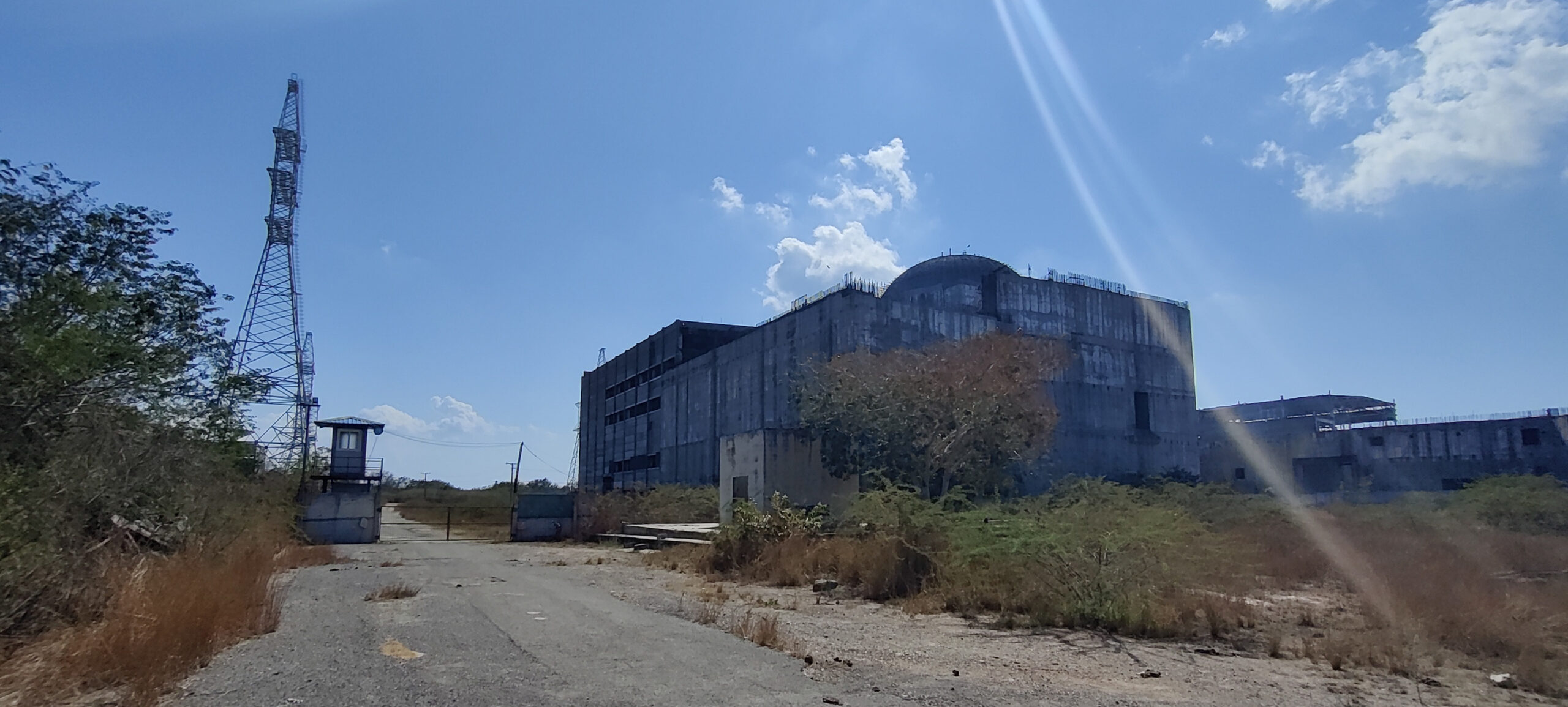
A second nationwide blackout is exposing a deeper crisis, one driven by failing infrastructure, fuel shortages, and rising geopolitical pressure
Cuba is once again trying to turn the lights back on.
After suffering its second national power grid collapse in less than a week, the island is slowly restoring electricity, but the repeated failures are revealing something much bigger than a technical problem.
This is no longer just about outages. It’s about a system under sustained pressure.
The latest blackout hit on the evening of March 21, when a major thermoelectric plant in Nuevitas failed, triggering a cascading collapse across the country’s entire electrical grid.
Within minutes, millions of people were left in the dark.
A Fragile System Breaking Under Pressure
Cuba’s energy grid has long been vulnerable.
Much of the country’s electricity depends on aging, oil-powered plants, many of which have been operating for decades with limited upgrades. When one major facility goes offline, the system often cannot absorb the shock.
That’s exactly what happened in Nuevitas.
Officials said the failure triggered a chain reaction, forcing the shutdown of other generators and causing a nationwide blackout.
This marks the third major grid collapse in March alone, highlighting just how unstable the system has become.
The Fuel Crisis Making Everything Worse
But infrastructure is only part of the story.
The deeper issue is fuel.
Cuba relies heavily on imported oil to keep its power plants running, and that supply has been severely disrupted in recent months. The country has not received consistent foreign oil shipments for weeks, according to officials.
At the center of that disruption is a tightening U.S. pressure campaign.
A U.S.-imposed oil blockade, linked to broader geopolitical tensions, has significantly reduced Cuba’s access to fuel, cutting off key supply lines and making it harder to sustain electricity production.
Without enough fuel, even functioning power plants cannot operate at full capacity.
Emergency Measures to Keep Essential Services Running
As the grid collapsed, Cuban authorities moved quickly to contain the damage.
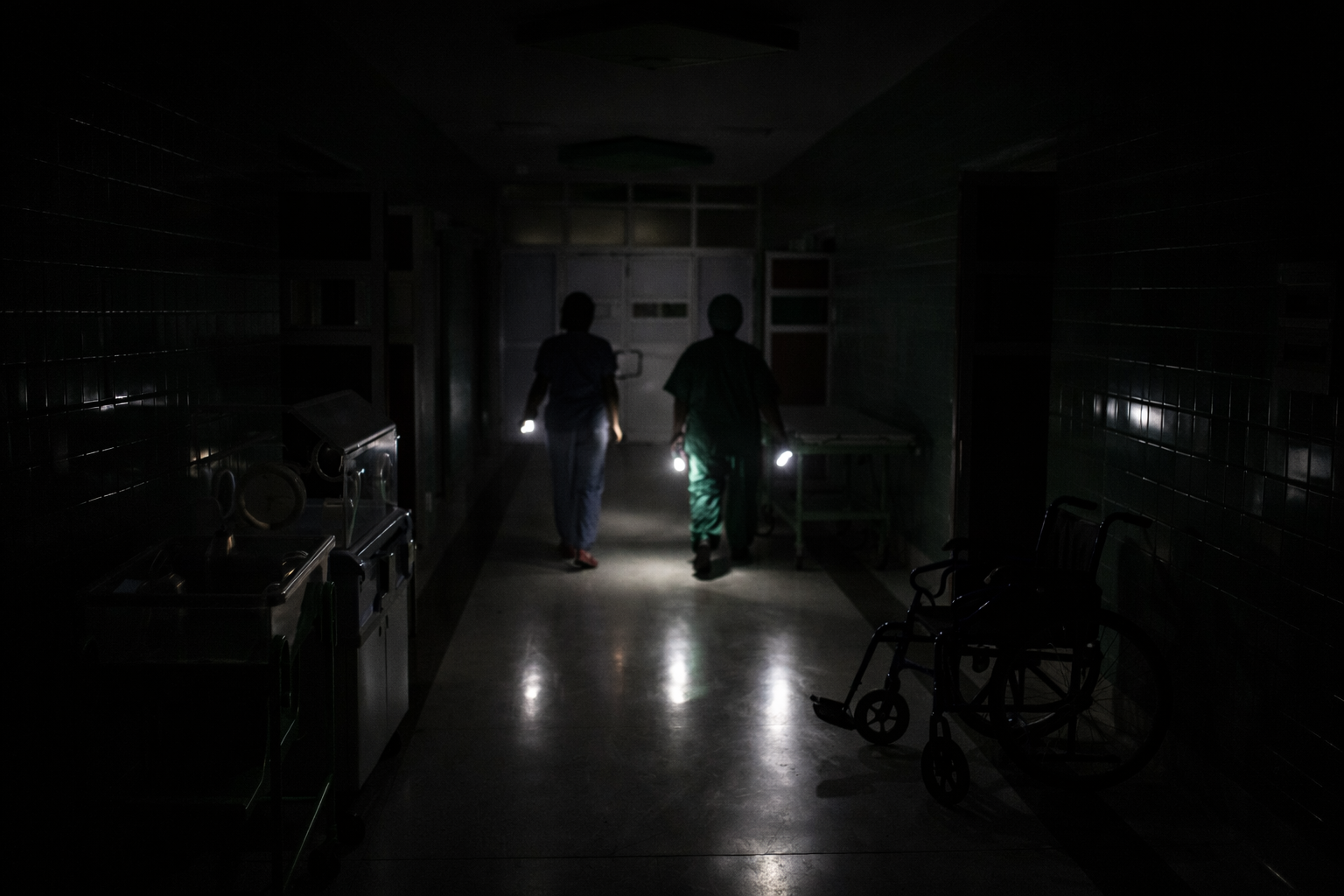
Officials activated so-called “micro-systems”, localized electrical networks designed to keep critical services running even when the main grid fails.
These systems have been used to prioritize:
- Hospitals
- Water supply systems
- Food distribution networks
- Blood banks and emergency services
At the same time, power has been gradually restored in parts of the country through smaller generating units and select power plants brought back online.
But for many Cubans, electricity remains unreliable.
Daily Life Disrupted Across the Island
The outages are not just technical failures, they are reshaping daily life.
Repeated blackouts have disrupted:
- Food storage, as refrigeration fails
- Transportation, due to fuel shortages
- Medical procedures, especially in underpowered facilities
- Communication and internet access
In some areas, residents have been left relying on flashlights and battery-powered devices as outages stretch for hours, or even days.
The situation has also contributed to growing public frustration, with protests reported in recent weeks as shortages and outages continue.
A Crisis Tied to Regional Politics
What makes this moment different is how tightly the energy crisis is tied to geopolitics.
Cuba has historically depended on allies like Venezuela for oil. But after major political shifts in the region and increased U.S. pressure, those supply lines have been disrupted or cut off entirely.
At the same time, the Trump administration has taken a harder stance toward Cuba, including:
- Declaring the country a national security concern
- Restricting fuel flows and threatening penalties on suppliers
- Increasing pressure for political and economic reforms
Cuban officials have acknowledged ongoing talks with the United States, suggesting both sides are exploring ways to ease the crisis.
But so far, there is no clear resolution.
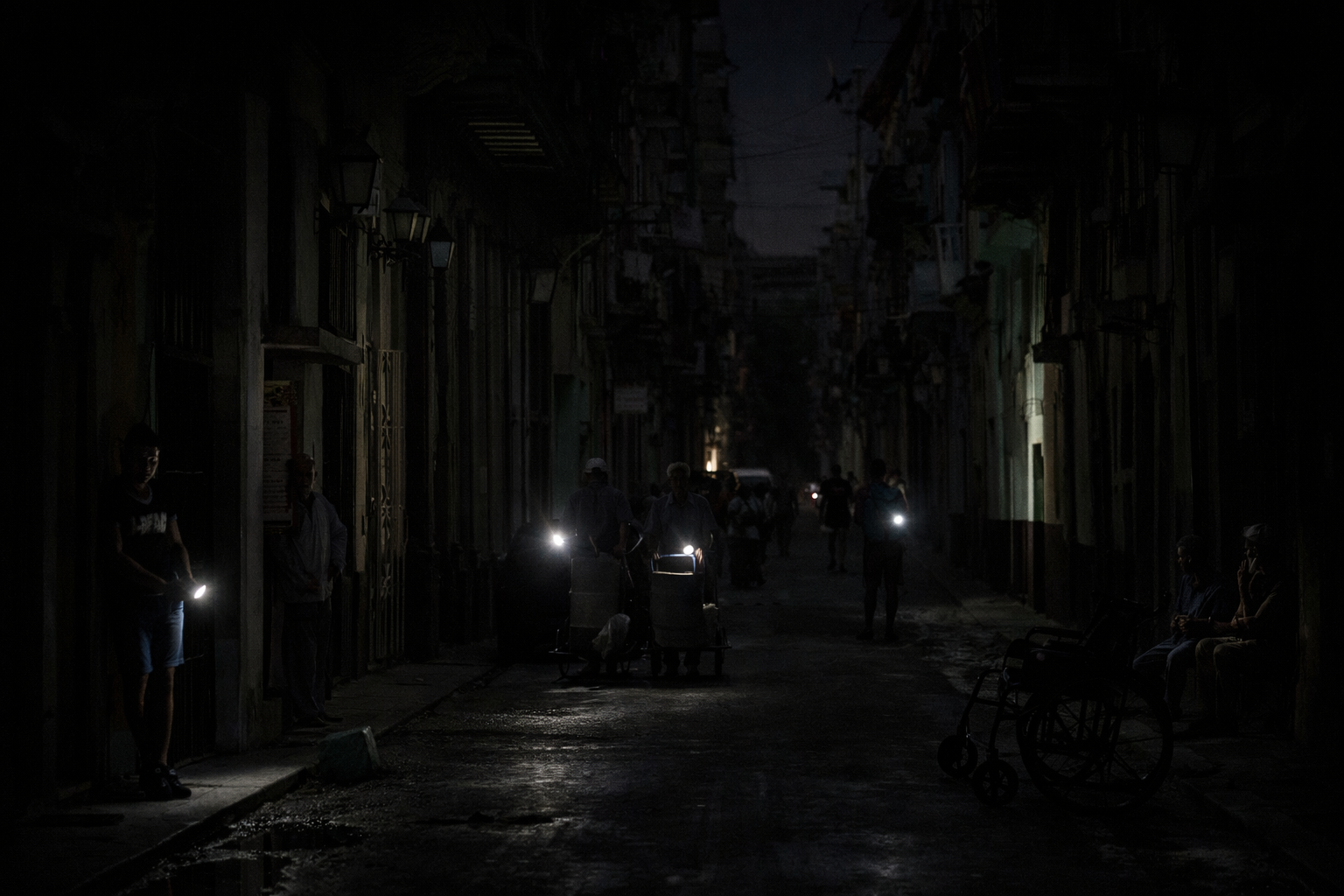
Image from: Delightful Daily
A System Under Strain , With No Quick Fix
Cuba’s power grid is now caught between two forces:
Aging infrastructure that struggles to function
And a fuel shortage that prevents recovery
Even as electricity is restored in stages, experts warn that outages are likely to continue unless both issues are addressed.
That means repairs alone won’t solve the problem.
And neither will temporary fuel shipments.
What Happens Next
For now, the focus remains on restoring power and stabilizing the grid.
But the bigger question is whether Cuba can prevent another collapse.
With fuel supplies still uncertain, infrastructure still fragile, and geopolitical tensions still high, the risk of further outages remains very real.
And for millions of people on the island, that uncertainty is already part of daily life.
The Bottom Line
Cuba’s latest blackout is not an isolated event.
It’s part of a growing pattern.
A power system under strain
A country facing fuel shortages
And a crisis shaped as much by politics as by infrastructure
As power slowly returns, one thing is becoming clear:
Keeping the lights on is no longer just an engineering challenge, it’s a geopolitical one.
Featured image from: Tadeáš Bednarz, CC BY-SA 4.0, via Wikimedia Commons