

A registered oncology dietitian explains which foods truly raise cancer risk, and it’s probably not what you think.
Clearing Up the Myths About Cancer and Food
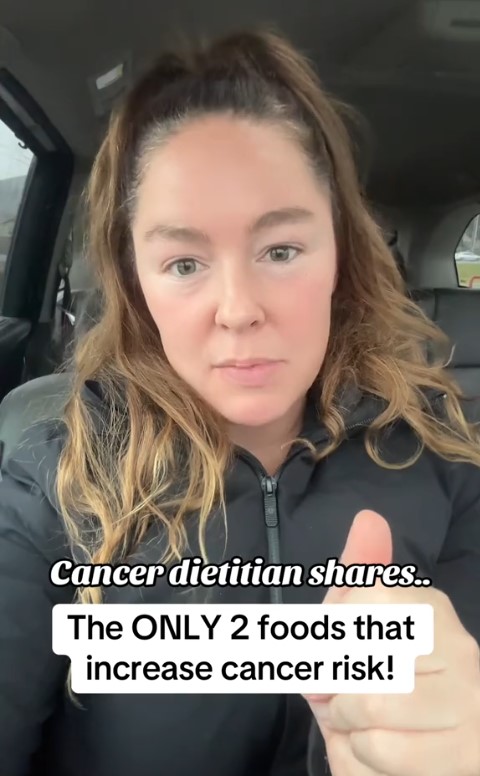
With so many social media “health experts” warning that everything from sugar to seed oils causes cancer, it’s hard to separate fact from fear. But according to Nichole Andrews, a registered oncology dietitian with 15 years of experience, most of those viral claims are misleading.
In a recent TikTok video that quickly gained traction, Andrews, who shares evidence-based nutrition insights under @oncology.nutrition.rd, set the record straight.
“There are only two food types that have been directly linked to an increased risk of cancer,” she explained. “Processed meat products and alcohol.”
Everything else, she says, is largely misinformation.
The Real Cancer-Causing Culprits

Andrews shared with Newsweek that alcohol consumption increases the risk of at least six cancers:
“Breast cancer, colorectal cancer, esophageal cancer, liver cancer, mouth and throat cancer, and stomach cancer.”
She also warned about the long-term dangers of processed meats, which are often pre-cooked and loaded with preservatives like nitrates.
“Those pre-cooked meats at the store, hot dogs, sausage, bacon, deli meats, those increase the risk of colon cancer,” Andrews said in her video.
According to the World Health Organization, processed meats are classified as Group 1 carcinogens, meaning there’s sufficient evidence they can cause cancer in humans.
“Besides that,” Andrews reassured, “there are no other foods proven to increase cancer risk. So this is good news.”
Her message: don’t panic about every food rumor you see online, focus on what’s proven.
The Truth About Sugar and Obesity
While sugar often gets blamed for “feeding cancer,” Andrews says that’s not how the science works.
“It’s not sugar itself. It’s the overall calorie balance and body fat that matter most,” she told Newsweek.
Cancer cells, like all cells, use glucose for energy, but cutting sugar completely won’t “starve” cancer. The body naturally produces glucose from proteins and fats, even without dietary sugar.
“While cancer cells might consume more glucose than healthy cells, that doesn’t mean sugar causes cancer to grow faster,” she explained. “It’s a byproduct of how cancer cells metabolize energy differently, not a result of sugar intake.”
Andrews also emphasized that obesity is a major risk factor, increasing the likelihood of at least 13 different types of cancer due to chronic inflammation and hormonal imbalances.
What You Should Eat Instead
So if processed meat and alcohol top the “avoid” list, what should we prioritize instead?
Andrews recommends a plant-forward diet full of:
- Vegetables and fruits
- Whole grains and legumes
- Nuts and seeds
“These foods are naturally high in fiber, antioxidants, and phytochemicals,” she said. “They reduce inflammation, support a healthy gut, and protect cells from damage that could lead to cancer.”
She also suggests choosing high-quality animal proteins such as fish, eggs, poultry, or lean cuts of meat, paired with plenty of colorful vegetables.
Her approach is simple but powerful: evidence over fear, balance over restriction.
Social Media Reactions
Andrews’ video sparked conversation in her comments section as viewers reflected on their own diets:
“I worked at a fast food place for 3 years eating processed meat 4 times a week. Should I be worried?” one user asked.
“As a nurse, they teach us, but this info should be shared more,” another commented.
“My aunt was on chemo pills and said she couldn’t hold the baby because of radiation. I’m glad people are talking about these things,” added another.
The takeaway? People are hungry, not for fad diets, but for clear, reliable guidance.Andrews continues to share practical nutrition facts and cancer prevention advice on TikTok, reminding her followers that smart, science-based eating is one of the best forms of self-care.
Featured image from: Manuel from Pixabay