
Rising housing costs are forcing more seniors to share living spaces, reshaping what retirement looks like in America
At 87 years old, Alan Ferber is still working, and still splitting rent.
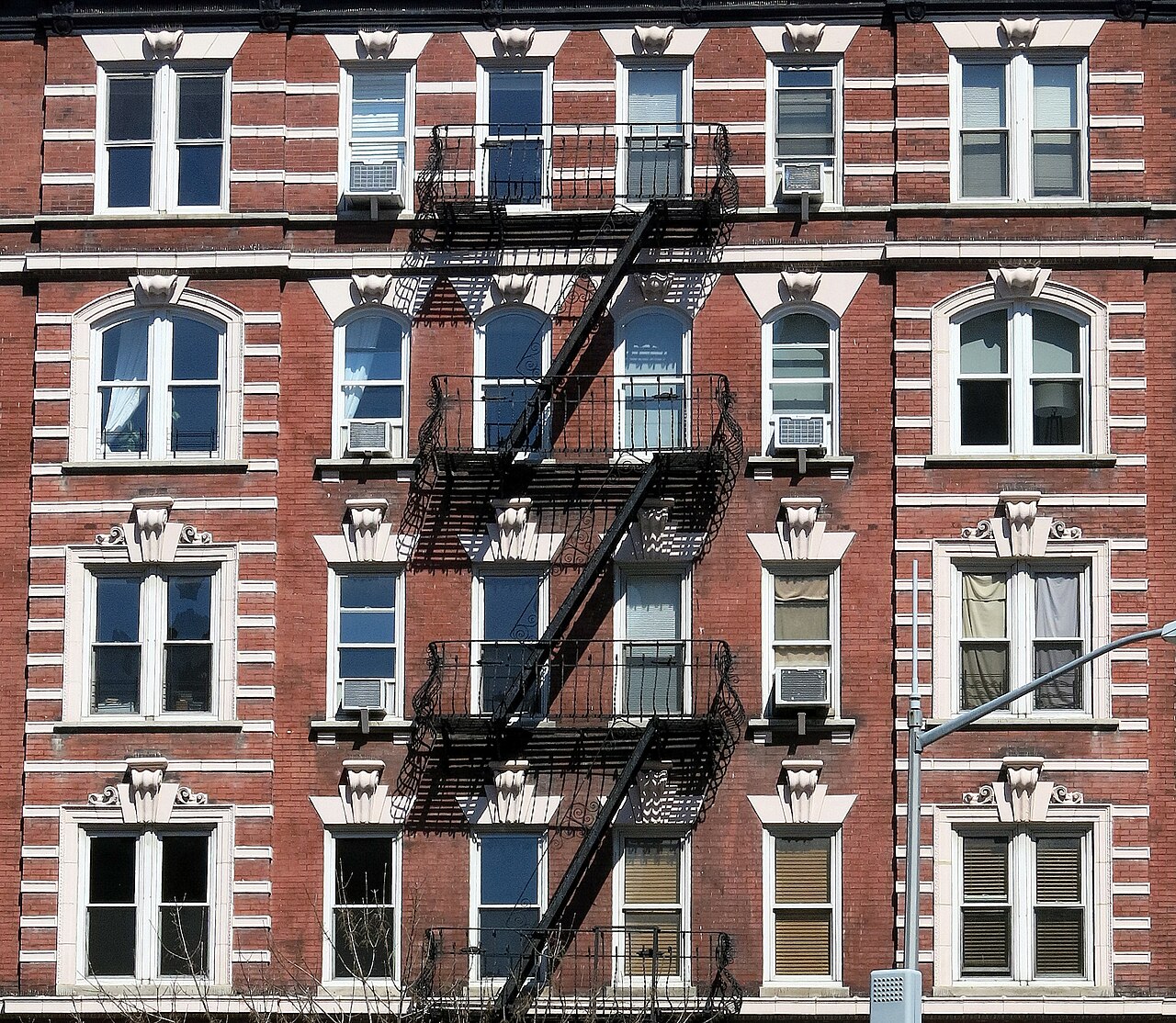
In New York City, where housing costs have surged in recent years, Ferber shares a modest fourth-floor walk-up apartment with a roommate. It’s not a lifestyle choice driven by preference.
It’s a financial necessity.
“It’s gone insanely crazy,” Ferber said, describing the cost of rent.
His situation is becoming increasingly common across the United States, where more older adults are finding that retirement no longer guarantees financial stability, or independence.
A New Reality for Retirement
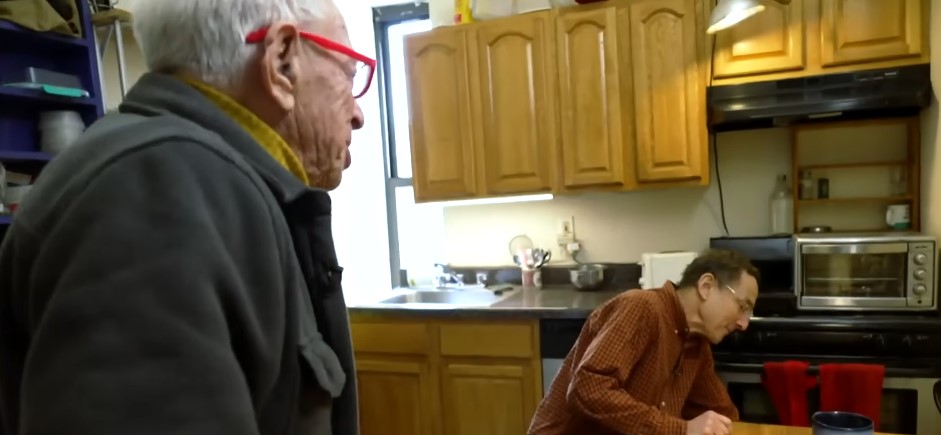
Ferber and his roommate, 69-year-old Daniel Yafet, split a $2,000 monthly rent for a small 500-square-foot apartment.
Yafet sleeps in a loft space. Ferber takes the main area.
It’s a setup that reflects a broader shift in how seniors are living.
When asked if he could retire comfortably, Yafet’s answer was direct:
“I wouldn’t be in New York if I retired.”
That trade-off is becoming familiar.
For many older Americans, staying in cities, or even maintaining basic living standards, now requires continued work, shared housing, or both.
From Companionship to Survival
Ferber and Yafet connected through the New York Foundation for Senior Citizens, a nonprofit that matches older adults seeking shared housing.
When the program began in 1981, the goal was simple: reduce loneliness by pairing seniors for companionship.
Today, that mission has shifted.
Now, most participants aren’t looking for company.
They’re looking for affordability.
“I was by myself for a bit, and I thought I should get a roommate just to help,” Yafet said.
The organization matches “hosts” who have extra space with “guests” looking for a place to live, requiring at least one person in the arrangement to be 60 or older.
What was once a social solution has become an economic one.
The Numbers Behind the Trend
Ferber’s situation is not unusual.
More than 1 million Americans over the age of 65 were living with roommates they are not related to in 2024, a 16% increase since 2019.
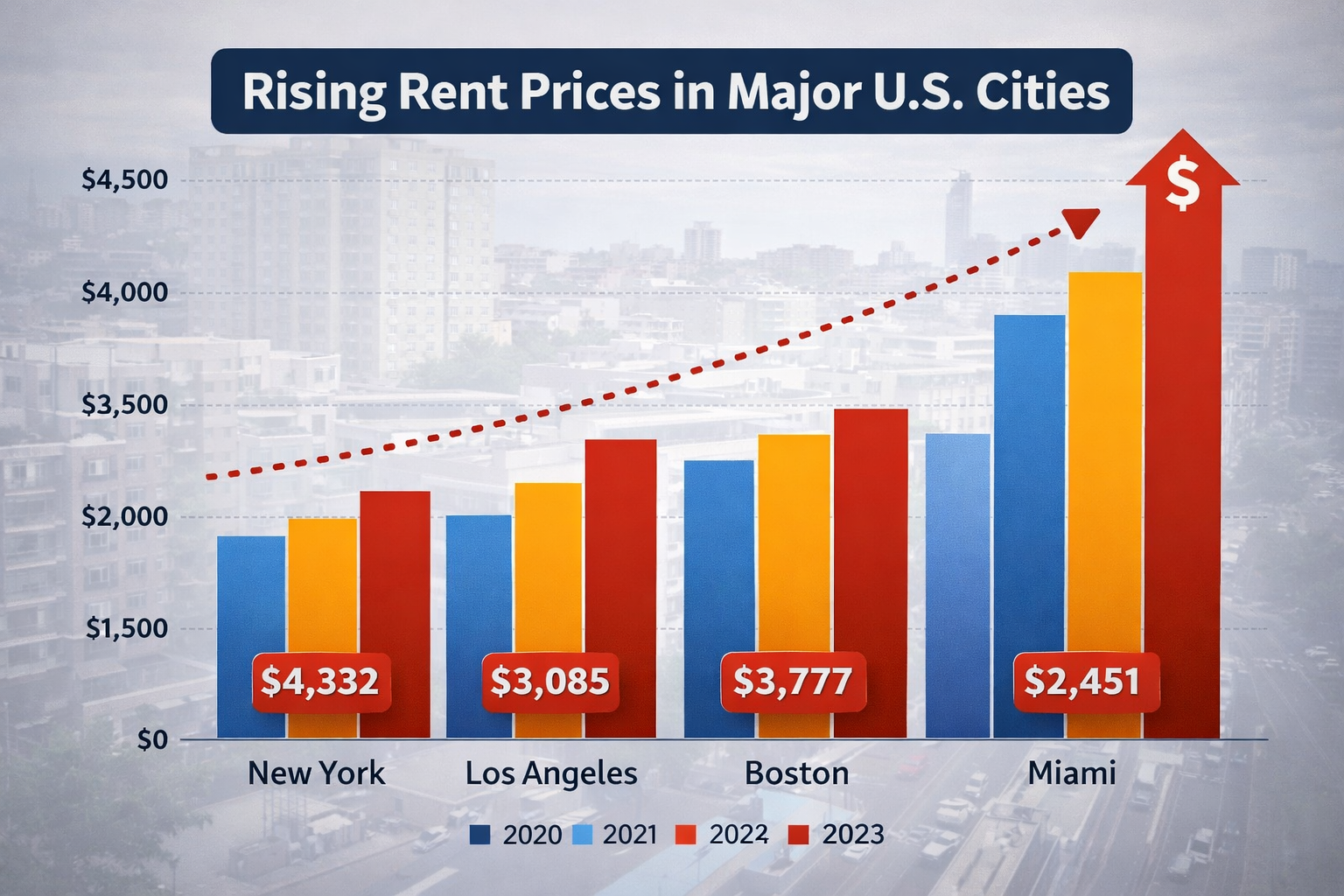
At the same time, rent has surged across the country.
In the 50 largest U.S. cities, the average cost of a one-bedroom apartment rose by 41% between 2020 and 2025. New York City saw the largest increase, with monthly rents climbing by more than $850 during that period.
For seniors living on fixed incomes, those increases are difficult to absorb.
The Gap Between Income and Reality
For many retirees, Social Security is not enough to cover basic living expenses.
Ferber acknowledges that without a roommate, he would struggle to make ends meet.
“Barely,” he said when asked if he could cover his expenses alone.
To stay afloat, he works part-time at Costco three days a week.
That detail highlights a growing reality.
Retirement is no longer a clear endpoint.
For many older Americans, it has become a phase that still includes work, financial adjustments, and shared living arrangements.
A System Under Pressure
The issue extends beyond housing.
A recent report found that the average American worker has less than $1,000 saved for retirement, far below recommended levels.
That gap is now showing up in real time, as more seniors face rising costs without the savings needed to absorb them.
Housing is simply where the pressure becomes most visible.
And in cities like New York, where costs are highest, the effects are amplified.
Redefining Independence
For decades, independence in retirement was defined by living alone, owning a home, and stepping away from work.
That definition is changing.
Now, independence may look like:
- Sharing rent with a roommate
- Continuing part-time work
- Relying on support networks or nonprofits
For some, these arrangements bring unexpected benefits, companionship, shared responsibilities, and reduced isolation.
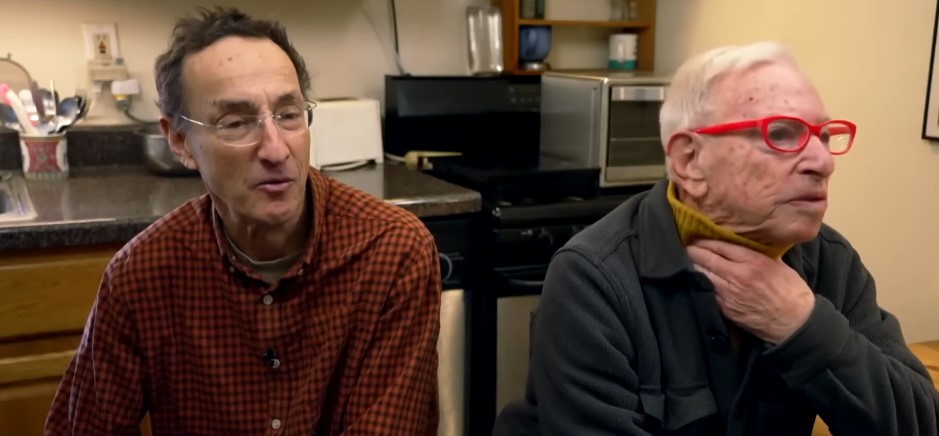
Yafet sees it that way.
“I’m better off, certainly, with having a roommate,” he said.
But for others, the shift represents a loss of financial security they once expected.
What Happens Next
As housing costs continue to rise and savings remain limited, experts expect the number of seniors sharing living spaces to grow.
Programs like the New York Foundation for Senior Citizens may expand, but they are only part of a larger picture.
The underlying issue, affordability, remains unresolved.
And without broader changes, more Americans may find themselves entering retirement with fewer options than previous generations.
The Bottom Line
Alan Ferber’s story is not an exception.
It’s a signal.
A signal that retirement, as many once imagined it, is becoming harder to sustain.
For a growing number of seniors, staying afloat means adapting, sharing space, continuing to work, and redefining what stability looks like later in life.
And as costs continue to rise, that reality may soon become the norm, not the exception.
Featured Image from: Spencer Means from New York City, USA, CC BY-SA 2.0, via Wikimedia Commons