

New details reveal the decision to target Ayatollah Ali Khamenei began after Hamas’ 2023 assault on Israel
Israel’s decision to target Iran’s Supreme Leader Ayatollah Ali Khamenei was not made overnight.
According to new information obtained by USA TODAY, the strategy to eliminate Iran’s top leader, along with senior figures tied to Hamas and Hezbollah, began shortly after the Oct. 7, 2023 attack on Israel, the deadliest day for Jews since the Holocaust.
That attack, carried out by Hamas militants and allied groups, killed more than 1,200 Israelis and saw roughly 250 people taken hostage, triggering a regional conflict that has continued to reshape the Middle East.
Israeli leaders concluded in the aftermath that anyone involved in planning, supporting, or enabling the assault would be considered a legitimate target.
The Order That Set the Operation in Motion
While the strategic decision emerged in the wake of the Oct. 7 attacks, detailed planning for the mission that ultimately killed Khamenei began later.
According to a person familiar with the matter, operational planning intensified after Israel’s 12-day war with Iran in June 2025, when the two countries directly clashed for the first time in years.
Israeli Prime Minister Benjamin Netanyahu reportedly gave the formal order to begin preparations for the operation in November 2025.
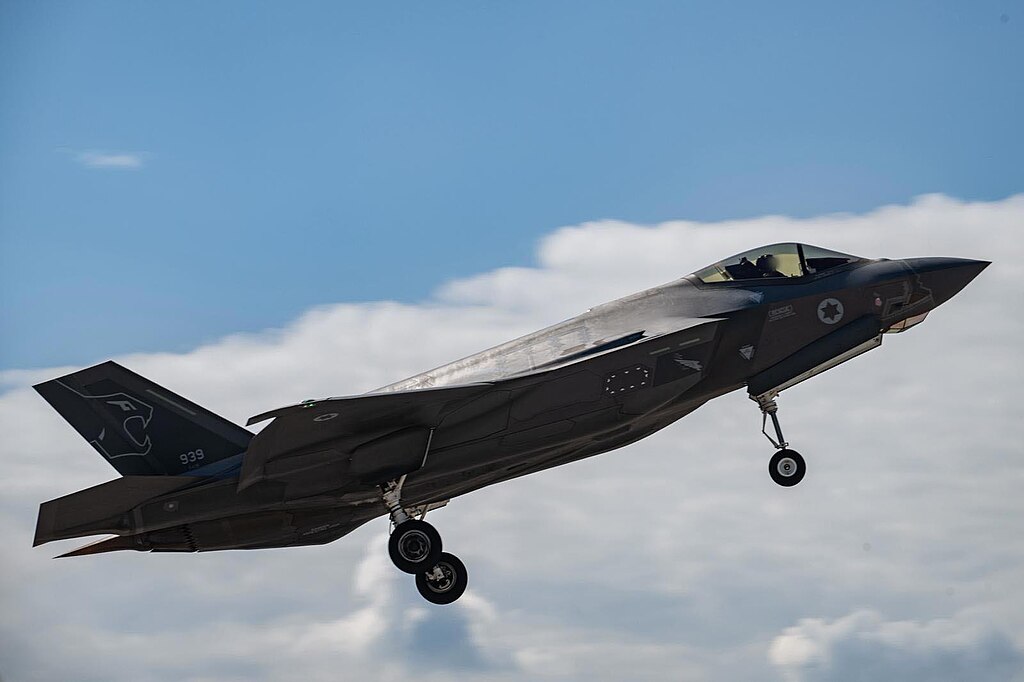
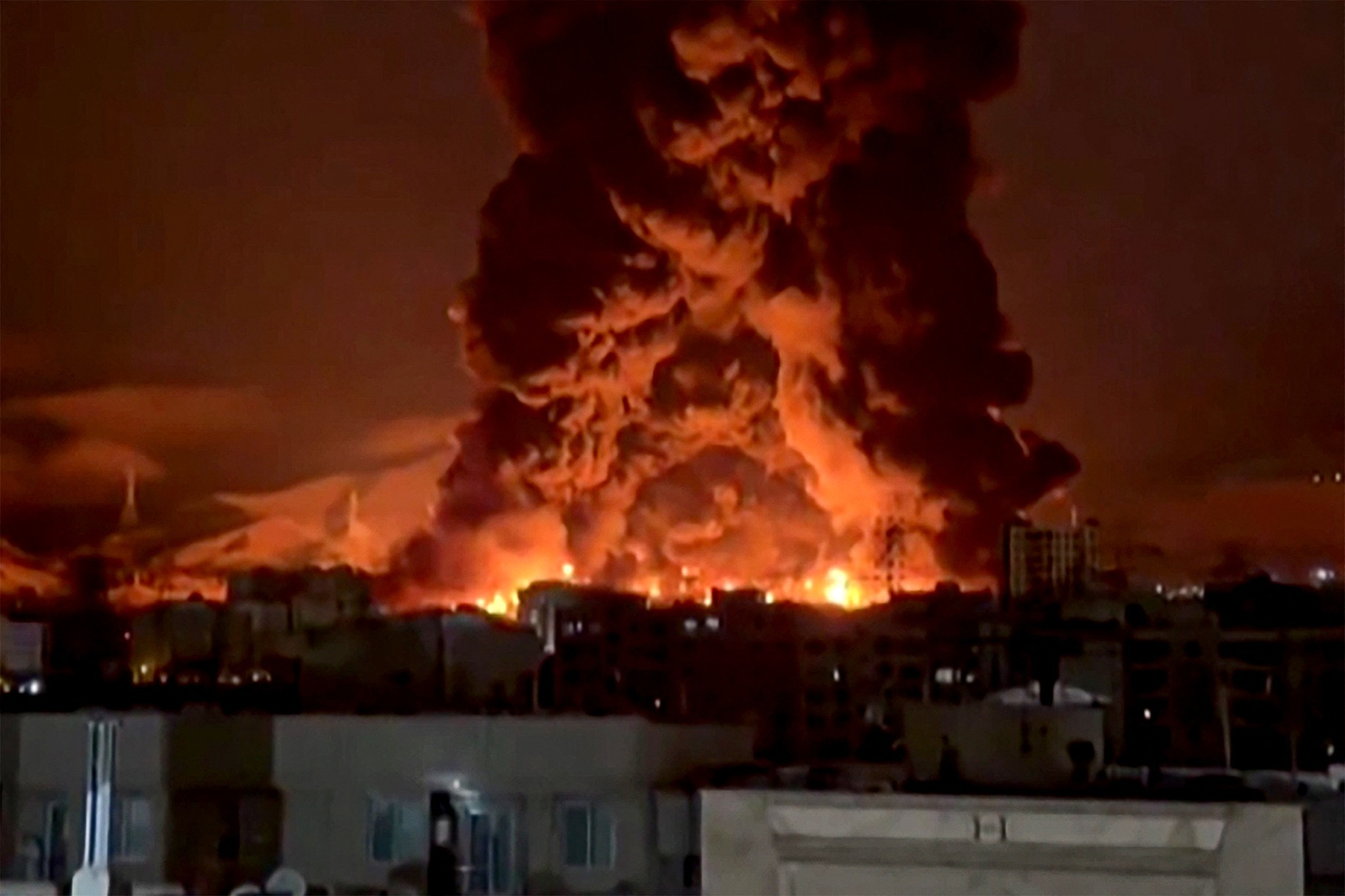
The mission, referred to by Israel as Operation Roaring Lion and by the United States as Epic Fury, culminated on Feb. 28, when a coordinated bombing campaign by U.S. and Israeli forces struck a compound in central Tehran where Khamenei and several senior officials were located.
The Strike That Reshaped the Region
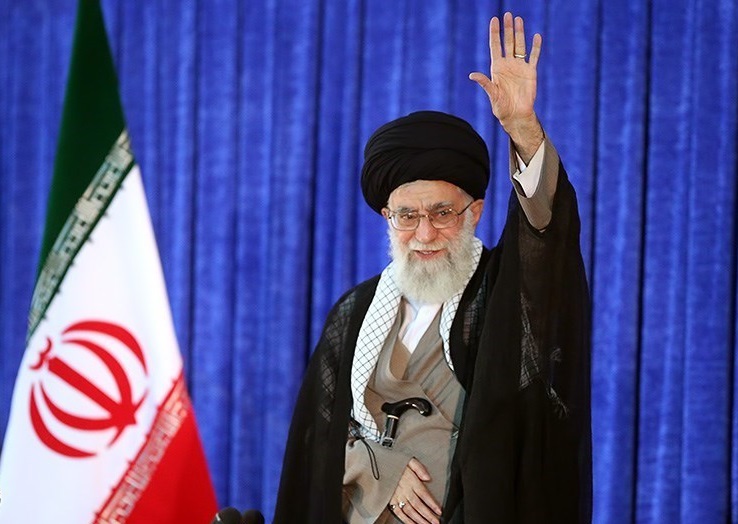
Khamenei, who had ruled Iran for 36 years, was killed alongside several top members of Iran’s military and intelligence leadership.
Among those reportedly killed in the strike were:
- Mohammad Pakpour, commander in chief of Iran’s Islamic Revolutionary Guard Corps
- Aziz Nasirzadeh, Iran’s defense minister
- Mohammad Shirazi, deputy intelligence minister
U.S. and Israeli officials say the operation was the result of months of intelligence sharing and close coordination between the two allies.
Reports indicate the two countries intensified intelligence cooperation following the 2025 Israel-Iran conflict, during which Israel launched strikes against Iranian military and nuclear facilities and the United States later joined the campaign.
The New York Times previously reported that American and Israeli intelligence agencies worked together to identify the precise location of Iran’s senior leadership on the day of the strike.
A Broader Campaign Against Iran’s Allies
The strike on Khamenei appears to be part of a broader Israeli strategy to target the leadership of militant groups and their state sponsors.
Since the Oct. 7 attacks, Israel has carried out multiple high-profile assassinations of figures linked to Iranian-backed organizations.
In July 2024, Israel killed Ismail Haniyeh, the political leader of Hamas, during a strike in Tehran.
Two months later, Israeli forces assassinated Hassan Nasrallah, the longtime leader of Hezbollah, in Beirut.
The pattern suggests Israel expanded its targeting policy after Oct. 7 to include not only militant commanders but also senior Iranian leadership figures believed to support those groups.
Israeli officials have long accused Iran of funding and arming a network of regional militias including:
- Hamas in Gaza
- Hezbollah in Lebanon
- Houthi rebels in Yemen
- Various armed groups in Iraq
Iran has denied direct involvement in the Oct. 7 attack and maintains that its nuclear program is intended for civilian energy purposes.
Israel’s History of Pursuing Its Enemies
Israel has a long history of pursuing individuals it considers responsible for attacks against its citizens.
One of the most famous examples came in 1960, when Israeli agents captured Nazi war criminal Adolf Eichmann in Argentina and brought him to Israel to stand trial.
A decade later, Israel launched a covert campaign to hunt down militants responsible for the 1972 Munich Olympics massacre, in which 11 Israeli athletes were killed.
In recent years, Israel has used increasingly advanced tactics to target adversaries, including:
- Drone strikes
- Explosive devices hidden in electronic equipment
- Remote-controlled weapon systems
- Intelligence gathered through digital surveillance
Reports suggest that before the operation against Khamenei, Israeli intelligence monitored the daily routines and movements of Iran’s leadership to identify patterns and vulnerabilities.
What Comes Next
The killing of Iran’s Supreme Leader marks one of the most consequential developments in the Middle East in decades.
U.S. and Israeli officials say the broader mission aims to weaken Iran’s military capabilities, dismantle parts of its ballistic missile infrastructure, and slow its nuclear program.
But the operation has also raised fears of wider regional escalation.
Iran has vowed retaliation, and tensions across the Middle East remain high as both sides prepare for potential further conflict.
For Israel, however, the operation represents the culmination of a strategy that began the moment the Oct. 7 attack shocked the nation.
In the eyes of Israeli leaders, the message is clear: those responsible for that day would eventually be found.
Featured image from: / IDF Spokesperson’s Unit