
With a key funding deadline fast approaching, Republicans and Democrats in Congress remain locked in a tense standoff over proposed reforms to the nation’s immigration enforcement agencies, raising the possibility of a partial shutdown of the Department of Homeland Security later this month.
The dispute centers on how DHS, which oversees Immigration and Customs Enforcement (ICE) and Customs and Border Protection (CBP), should operate amid growing scrutiny of federal immigration enforcement tactics. While Congress last week passed a broader package of funding measures to reopen the government and fund most federal agencies through September, lawmakers were unable to reach consensus on DHS funding, approving only a short-term extension that expires on Feb. 13.
That temporary measure was intended to give both sides more time to negotiate potential reforms. But with just days remaining before funding is set to lapse, negotiations appear stalled and deeply divided.
Why DHS Funding Is at the Center of the Fight
The latest standoff follows a four-day partial government shutdown that ended after Congress passed stopgap legislation to keep agencies operating. DHS, however, was excluded from long-term funding due to disagreements over how to rein in immigration enforcement operations.
Democrats have pushed for reforms after ICE came under heightened scrutiny following two deadly shootings involving federal agents in Minneapolis last month. Those incidents intensified calls among Democratic leaders to impose stricter oversight and new operational rules on immigration officers.
To keep DHS operating while negotiations continue, lawmakers approved a short-term funding patch set to expire Feb. 13. If no agreement is reached, or if another temporary extension is not passed, funding for DHS agencies could lapse beginning Feb. 14, triggering shutdown procedures for parts of the department.
Democrats Push for ICE “Guardrails”
Senate Democrats have submitted draft legislative language outlining their demands for DHS funding, according to multiple sources familiar with the proposal. The language reflects reforms proposed last week by Senate Minority Leader Chuck Schumer and House Minority Leader Hakeem Jeffries.
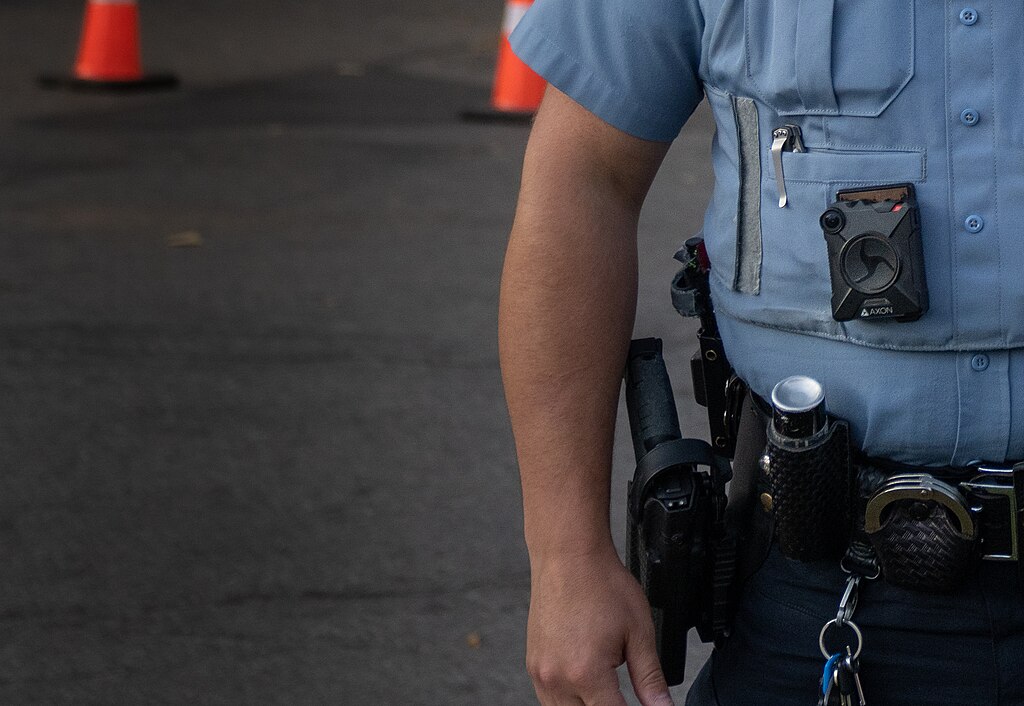
Their demands focus on what they describe as “guardrails” for immigration enforcement, including restrictions on how agents operate in the field. Among the proposals are requirements that immigration agents display visible identification, wear body cameras, and be prohibited from wearing masks while conducting enforcement actions.
Democrats are also seeking to ban agents from entering private property without a judicial warrant and to require verification that a person is not a U.S. citizen before placing them into immigration detention.
House Minority Leader Hakeem Jeffries said Sunday that Democrats have yet to receive a response from the White House or Republican leadership regarding those proposals.
“In our view, the ball is in the court right now of the Republicans,” Jeffries said on CNN’s State of the Union. “Either they’re going to agree to dramatically reform the way in which ICE and other immigration enforcement agencies are conducting themselves … or they’re making the explicit decision to shut down the Coast Guard, shut down FEMA and shut down TSA, and that would be very unfortunate.”
What Happens If Funding Lapses
If lawmakers fail to reach a deal or pass another stopgap measure, DHS funding would expire on Feb. 14. That would initiate shutdown procedures across agencies overseen by the department, including the Coast Guard, the Transportation Security Administration, and FEMA.
Immigration enforcement operations, however, would continue. ICE and CBP received a significant influx of funding under last year’s One Big Beautiful Bill Act, allowing those agencies to remain operational even during a funding lapse.
Still, Jeffries has argued that the funding fight represents a critical opportunity to force legislative changes.
“We need to press forward aggressively and ensure that there are legislative changes enacted as part of any DHS spending bill, because that’s the way that you change behavior,” he said.
Republicans Push Back on Key Proposals
Republicans have sharply criticized the Democratic demands, describing them as unrealistic and politically motivated. While some GOP lawmakers have indicated openness to limited reforms, several of the proposals remain red lines for the party.
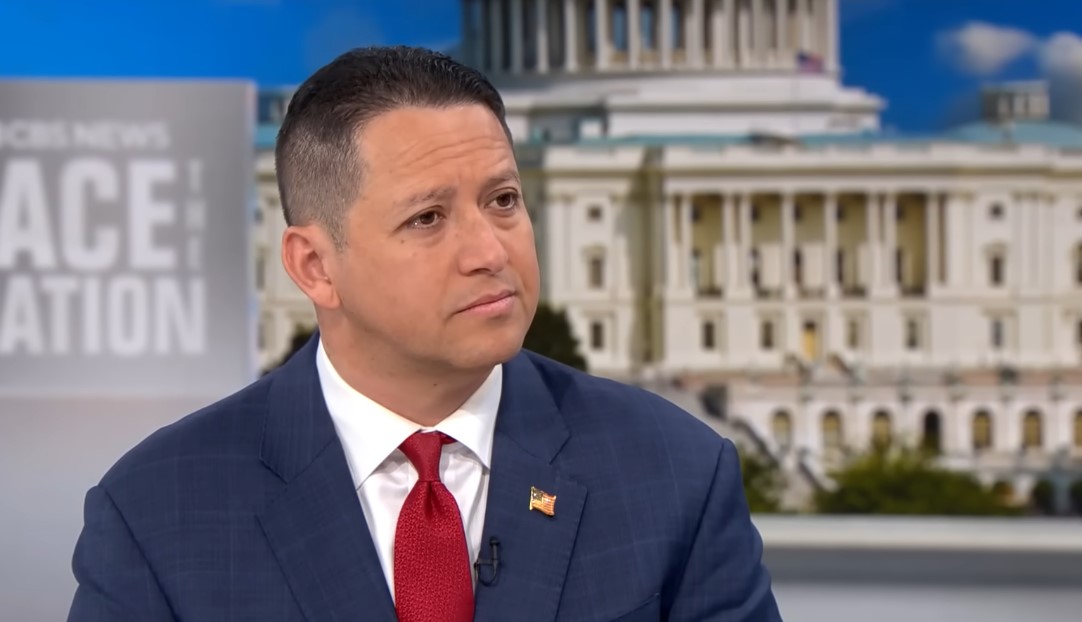
Rep. Tony Gonzales, a Texas Republican, said Sunday that while certain ideas could gain bipartisan support, others would not.
“There are some things that make sense, there’s a lot of things that don’t,” Gonzales said on Face the Nation with Margaret Brennan.
Gonzales accused Democrats of abruptly changing course after a bipartisan vote to fund the government.
“Just a few days ago, this was a bipartisan vote, and all of a sudden, now the Democrats are trying to hold the country hostage,” he said.

Judicial Warrants and Mask Policies Remain Major Sticking Points
One of the sharpest disagreements centers on Democrats’ demand that immigration agents be required to obtain judicial warrants, signed by judges, rather than relying on administrative warrants approved internally by immigration officials.
Gonzales argued that administrative warrants are both legal and effective.
“Administrative warrants work,” he said. “I want to give law enforcement every tool they need to go out and apprehend these convicted criminals that are loose in our community.”
He also pushed back against restrictions on agents wearing masks during operations, arguing that officers should not be held to different standards than civilians during protests or unrest.
“If rioters get to wear masks, then law enforcement gets to wear masks as well,” Gonzales said.
Areas of Potential Agreement
Despite the stalemate, some areas of potential compromise remain. Gonzales pointed to body cameras as one reform that could gain bipartisan backing, noting that the administration has already moved to require cameras for agents operating in Minneapolis.
He also suggested improving communication between ICE and local communities without altering enforcement policies.
“I think it’d be very, very key if there were communication liaisons in all the communities that ICE has,” Gonzales said. “Not changing policy, just sharing communication from the community … up to the administration and back down.”
A Deadline With High Stakes
As the Feb. 13 deadline approaches, both sides appear entrenched, with limited public signs of progress. The outcome will determine not only whether DHS avoids a shutdown, but also whether Congress can reach bipartisan agreement on how immigration enforcement agencies operate under increased scrutiny.
For now, lawmakers face a familiar but high-stakes choice: compromise on reforms or risk another funding lapse with wide-reaching consequences across national security, disaster response, and transportation safety.
Featured image screenshot from Youtube: Face The Nation