

A Familiar Opening
“Chains Shall He Break.”
The melody drifted through candlelit churches and crowded living rooms.
Voices rose together on words everyone knew by heart.
Few noticed what came after.
Fewer still knew something had been left behind.

Only One Verse
Most people thought they knew the song.
They waited for “O night divine” and felt complete.
The rest never arrived.
It rarely did.
A Missing Ending
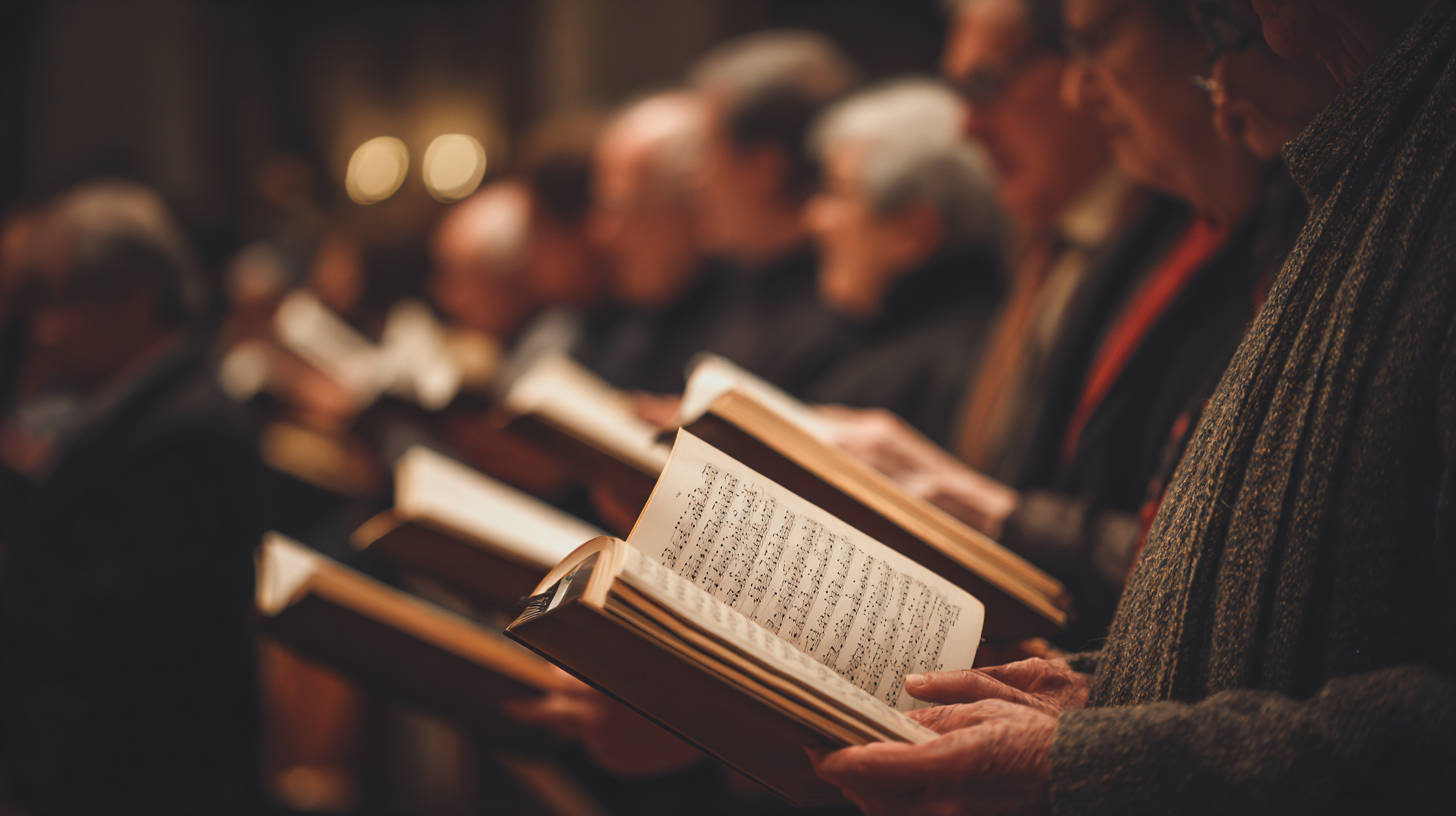
Hidden beyond the famous refrain were two more verses.
Almost no one sang them.
One of them carried weight.
The kind that unsettles.
A French Beginning
The song did not start in America.
It began as a poem in France.
Placide Cappeau wrote it by candlelight.
He was a wine merchant, not a priest.

Unlikely Authors
Cappeau held leftist views.
Faith, for him, was complicated.
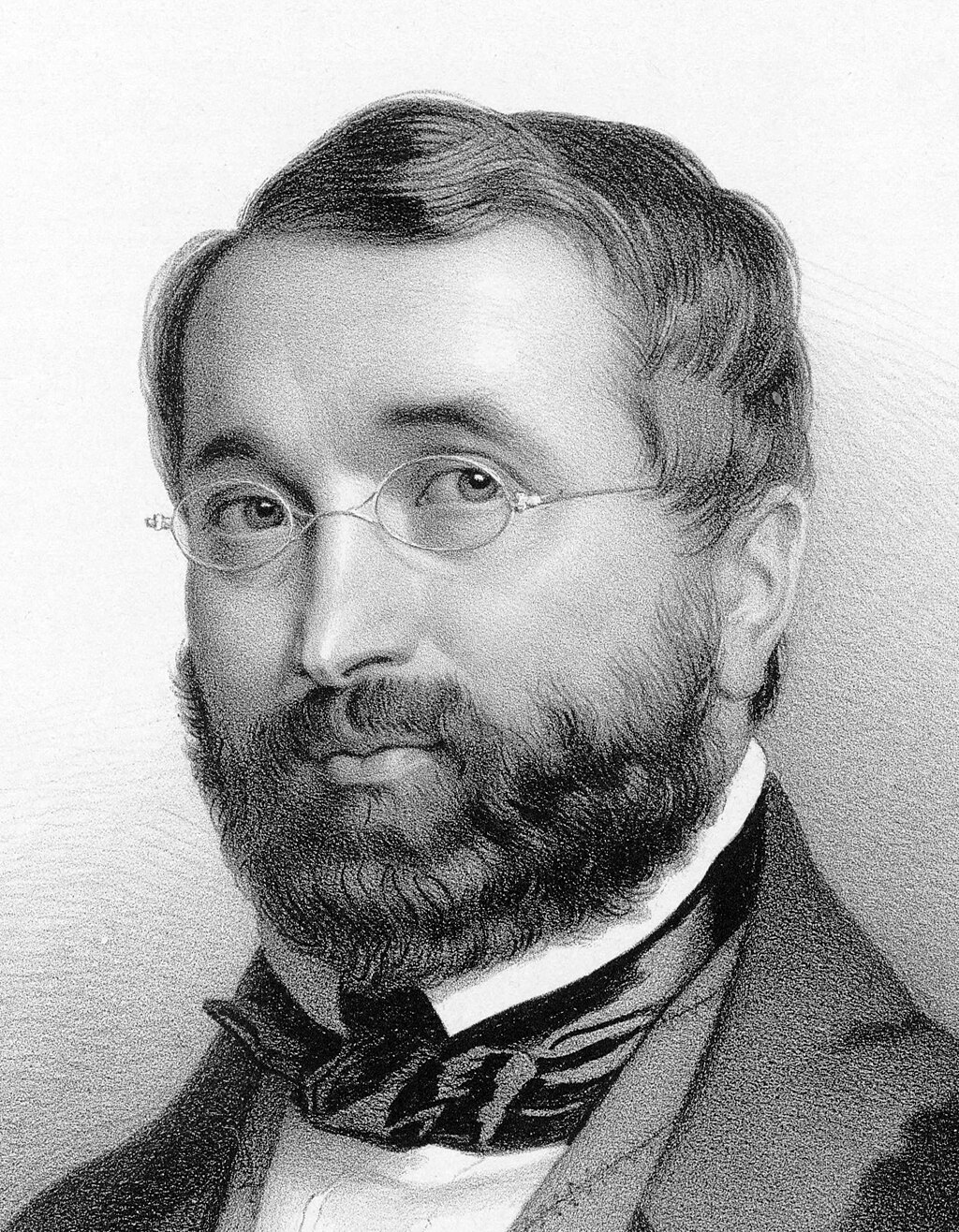
The music came later from Adolphe Adam.
A secular composer of Jewish descent.
Midnight Christians
In French, the song was called “Minuit Chrétien.”
Midnight, Christians.
It told of Christ’s birth and the waiting world.
The first two verses felt safe.
The Third Verse
The third verse did not whisper.
It declared.
“He sees a brother where there was only a slave.”
The words cut clean.
Love and Iron
The verse spoke of chains.
Of iron binding human beings.
“Love unites those that iron had chained.”
There was no metaphor to hide behind.

Crossing the Ocean
In 1855, the song reached America.
It arrived through translation.
John Sullivan Dwight took it on.
He made choices.

A Translator With Beliefs
Dwight was not neutral.
He was a Unitarian minister and an abolitionist.
He had written of millions in bondage.
He called slavery “moral suicide.”

Poetic Fire
Dwight reshaped the lyrics.
He made them burn.
“Chains shall He break, for the slave is our brother.”
There was no ambiguity.

Dangerous Words
In mid-19th century America, those words mattered.
They landed in a country splitting apart.
Tension hummed beneath every hymn.
Christmas was no exception.

Northern Voices
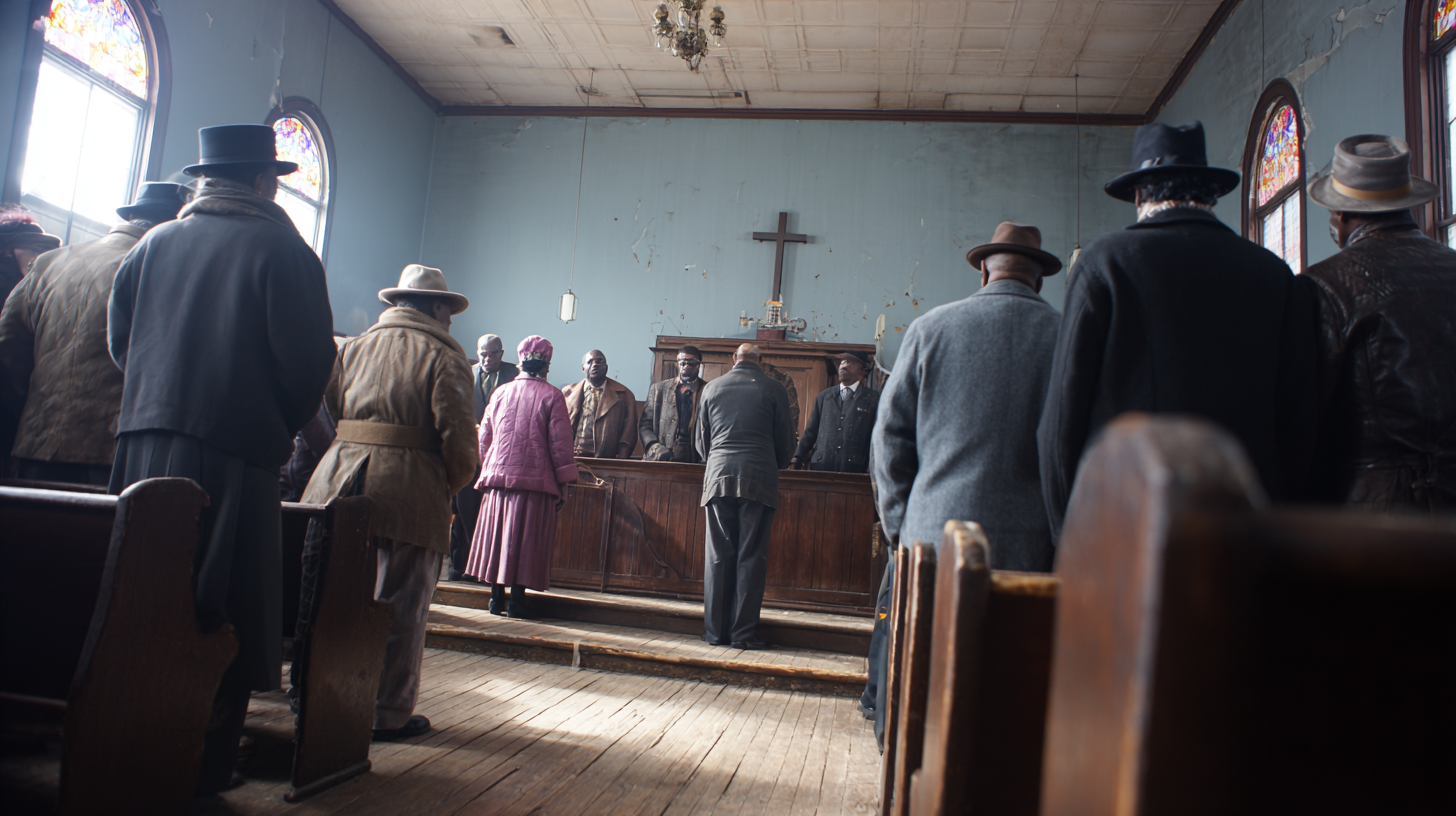
The song spread through the North.
Churches embraced it.
During Civil War years, it rang louder.
Faith and justice intertwined.
Printed With Purpose
Dwight published the song in his music journal.
Ink carried conviction.
He knew exactly what he was sharing.
And why.

Back in France
Across the ocean, trouble brewed.
The Catholic Church hesitated.
The authors did not fit the mold.
Neither did the message.

Faith Rejected
Cappeau renounced Christianity entirely.
He joined a Socialist movement.
Adam’s background raised eyebrows.
The song felt inconvenient.

Official Disapproval
Church publications criticized the carol.
They called it militant.
Its theology was “dubious.”
Its tone, unsettling.
A Quiet Ban
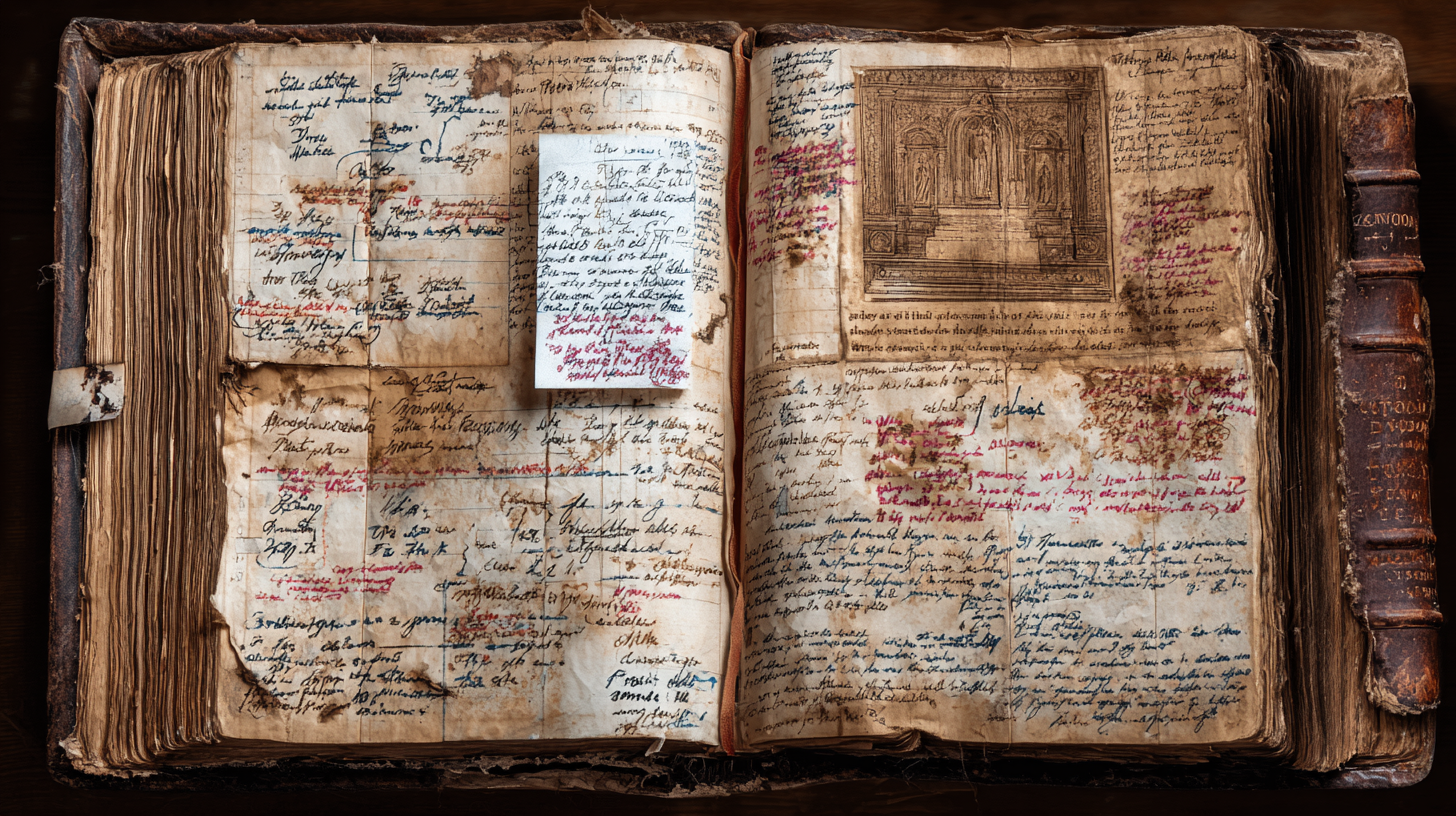
For years, the song disappeared from churches in France.
It did not disappear from people.
They kept singing anyway.
Softly, stubbornly.

Lost in Translation
The militancy confused later listeners.
The English version sounded gentle.
But the French had sharper edges.
Less comfort, more command.
Original Weight
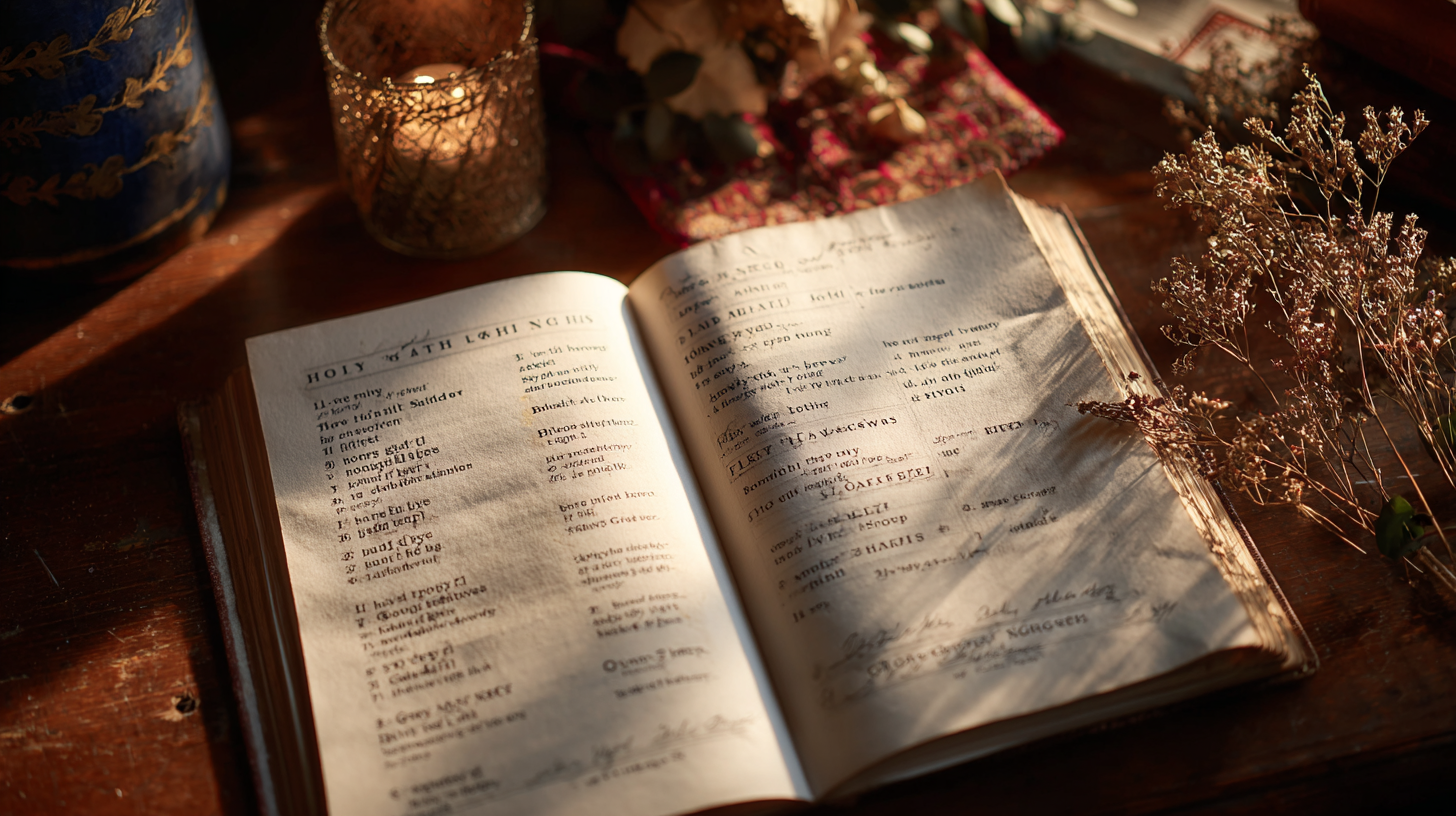
The French lyrics spoke of sin erased.
Of divine wrath ending.
They demanded humility and repentance.
Not just awe.

Softer English
Dwight’s rewrite emphasized hope.
Worth. Light. Joy.
The fear receded.
The beauty remained.
A Different God
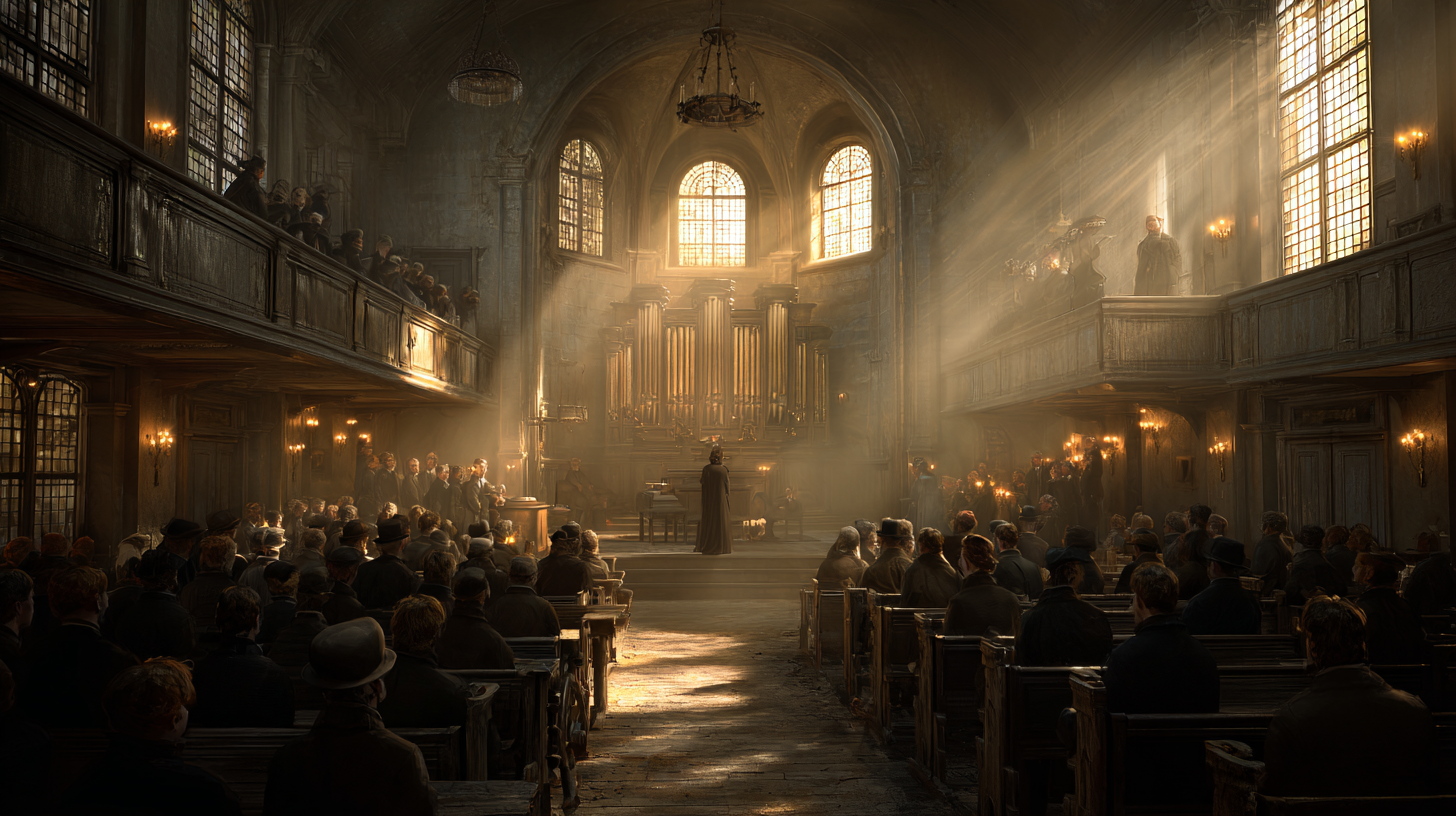
One version thundered judgment.
The other whispered grace.
Both told the same story.
But with different force.
Why We Skip Ahead
So why did verses disappear?
Convenience played a role.
Seven minutes was a long hymn.
Congregations grew restless.

The Southern Silence
There was another reason.
One harder to ignore.
Anti-slavery lyrics did not travel well south.
Some words were unwelcome.
Gradual Forgetting
Over time, omission became habit.
Habit became tradition.
People forgot there was more.
The song narrowed.

A Modern Favorite
Despite everything, the carol endured.
It thrived.
In 2023, it topped lists of beloved classics.
The melody survived the edits.

Rediscovery
Occasionally, someone notices.
They read the missing verse.
The words still sting.
They still matter.

A Song With Teeth
“O Holy Night” was never just pretty.
It carried conviction.
It asked listeners to kneel.
And to change.

What Remains
Most will keep singing the familiar lines.
That is unlikely to change.
But beneath the melody lies a challenge.
Still waiting.
Final Note
The verse may stay forgotten.
The message does not have to.
“Chains shall He break.”
The words linger, even unsung.

Featured image from: G. Schirmer, Inc., Public domain, via Wikimedia Commons