

Karen Carpenter’s voice has long divided listeners. Some dismiss her songs as soft background music, while others describe her singing as piercingly intimate, capable of reaching emotional depths few performers ever touch. She was praised by presidents, adored by millions, and yet deeply unhappy for much of her short life. Understanding who Karen Carpenter truly was requires looking beyond the polished image and into the forces that shaped, and ultimately broke, her.
Born in 1950 in New Haven, Connecticut, Karen grew up in a household that valued order, appearances, and achievement. Her father worked in printing and had been raised by missionaries in China. Her mother, Agnes, stayed at home and managed the family with firm control. Karen had one older brother, Richard, whose musical talents were encouraged early. While both children were gifted, the imbalance in parental attention was unmistakable. Richard was the focus. Karen was expected to follow.
As a child, Karen showed athletic ability and competitive spirit. She excelled in neighborhood baseball games, often chosen before boys her age. Yet in other areas of life, especially within her own family, she felt invisible. That contradiction followed her into adulthood.
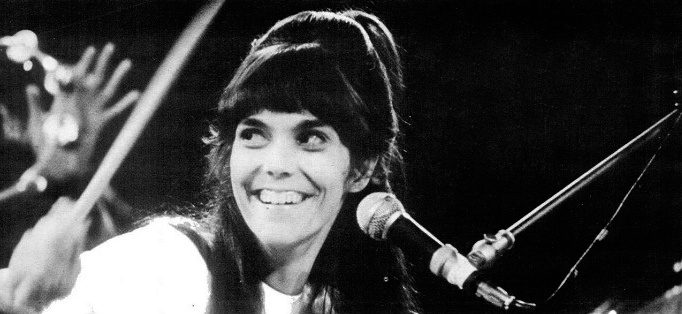
Music entered Karen’s life through Richard, but rhythm became her true passion. Inspired by Ringo Starr, she dreamed of being a drummer at a time when female drummers were rare. After persistent pleading, her parents agreed to buy her a Ludwig drum kit. It was a defining moment. Karen practiced relentlessly, developing a distinctive style marked by precision and restraint.
Her early bands came and went, including an all-girl group that dissolved when Karen insisted on bringing Richard into the fold. Family loyalty always came first, even at personal cost. Eventually, Karen and Richard formed a trio and began performing regularly. Karen stayed behind the drums, hiding a voice that already spanned three octaves. Singing felt too exposed. Drumming allowed her to disappear.
That changed slowly. A recording producer persuaded her to sing on a track in her teens, revealing a voice that sounded far older and more world-weary than her years. Though early recordings failed to chart, her talent did not go unnoticed.
The turning point came when the Carpenters signed with A&M Records in 1969. Their cover of “Ticket to Ride” drew attention, especially from Paul McCartney, who famously praised Karen as having one of the best female voices he had ever heard. Success followed quickly. “Close to You” and “We’ve Only Just Begun” turned the Carpenters into international stars.
But fame introduced a new problem: visibility. Karen’s small frame was swallowed by her drum kit on stage, and audiences focused increasingly on her voice rather than the duo as a whole. Eventually, the decision was made for Karen to step forward as lead singer while another drummer took her place. It elevated the band, and placed Karen squarely under the spotlight.
As her fame grew, so did her discomfort with her appearance. A single photograph taken in 1973 triggered an obsession with weight that would spiral into anorexia nervosa. Karen began dieting aggressively, then exercising compulsively. She counted calories obsessively and used food-sharing as a way to avoid eating. When concerned fans wrote letters, she dismissed the issue as exhaustion.
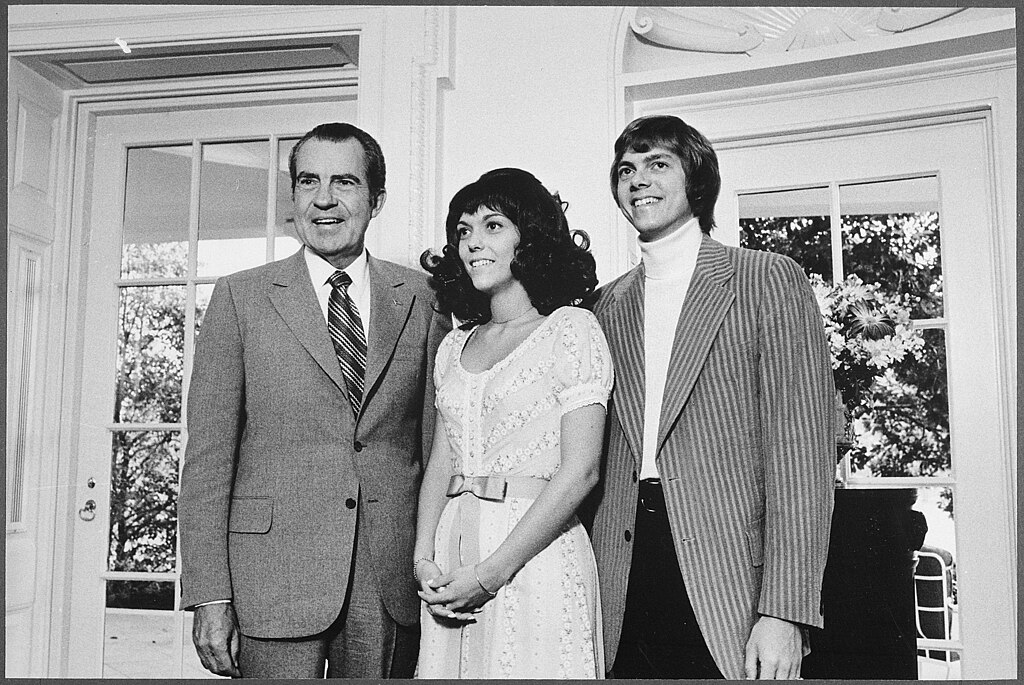
Public pressure compounded private pain. She was held up as a role model, praised by President Nixon as representing “young America at its best.” Meanwhile, her need for maternal approval remained unmet. Agnes Carpenter remained emotionally distant, offering criticism more readily than affection.
Karen sought independence in her mid-twenties, moving into her own home, but isolation worsened her struggles. Romantic relationships came and went. Her marriage to real estate developer Thomas James Burris in 1980 proved disastrous. Burris concealed a vasectomy, shattering Karen’s dream of motherhood, and reportedly treated her with cruelty and contempt.
Her health deteriorated further. During a BBC interview, she was publicly questioned about her weight loss, leaving her visibly shaken. Though Richard intervened, the damage was done. Karen’s illness was no longer hidden.
Eventually, she sought treatment, turning to a therapist who specialized in eating disorders. The process was slow and flawed. While hospitalized later, she showed signs of recovery, eating regularly and regaining energy. Friends worried she left treatment too soon.
In February 1983, Karen returned to her parents’ home in California. She appeared optimistic and spoke about future projects. One morning, after making coffee, she returned to her childhood bedroom. She died there, alone, at age 32.
The cause of death was later determined to be heart failure related to years of eating disorder damage, compounded by the use of ipecac syrup. Her passing shocked the world and forced a broader conversation about anorexia nervosa, a condition still poorly understood at the time.
Karen Carpenter’s legacy is profound. Her voice continues to influence generations of singers. Her struggle helped bring visibility to eating disorders. Foundations were created in her name to support research and awareness. She remains a cultural touchstone, beloved, mourned, and deeply human.
Behind the perfect harmonies was a woman who wanted love, safety, and acceptance. And perhaps that is why her voice still reaches so many. It sounds like someone who needed to be heard.
Featured Image from: Kathleen Ballard, Los Angeles Times, CC BY 4.0, via Wikimedia Commons