
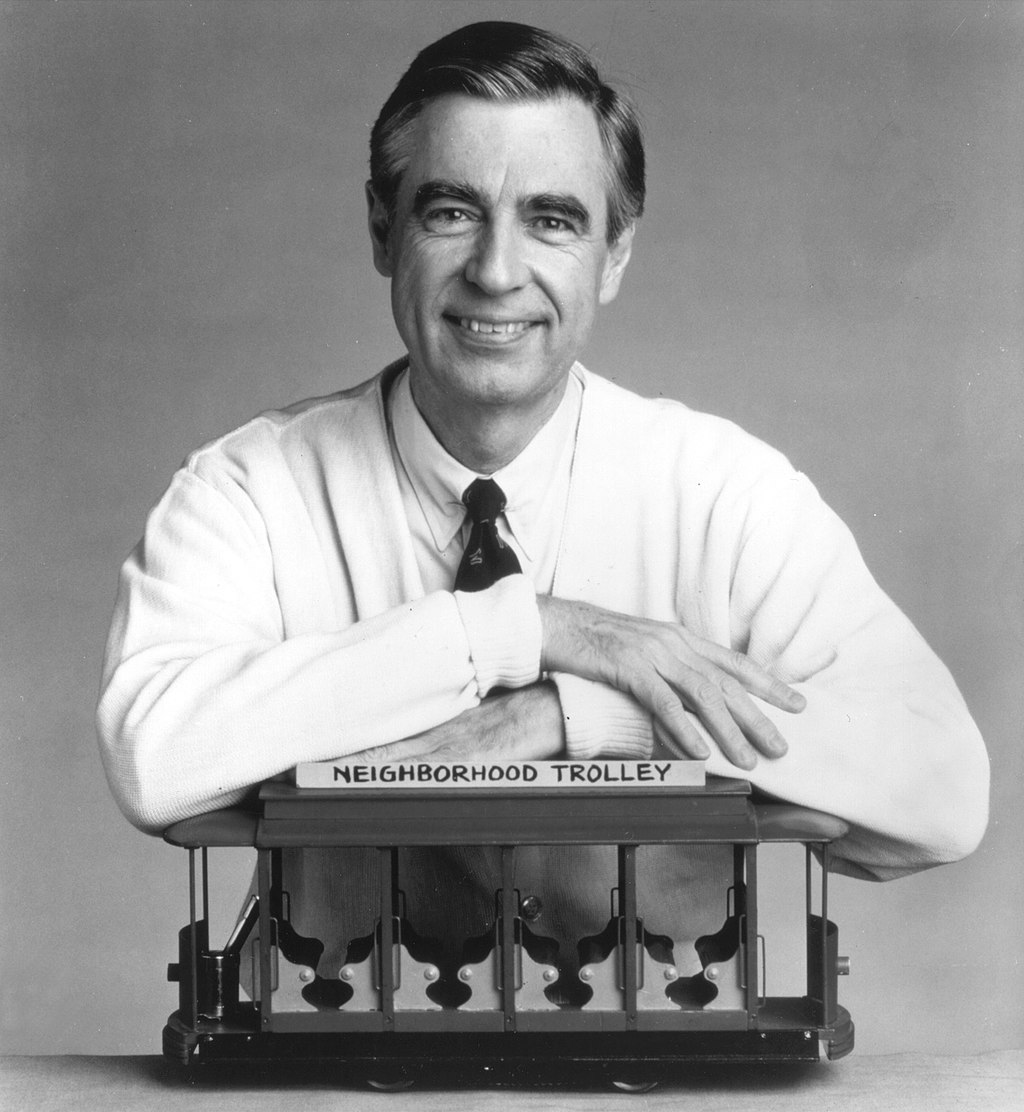
For 895 episodes, the beloved neighbor Mr. Rogers sang the same song, but the piano told a new story every single time.
A Musical Detail Most of Us Missed
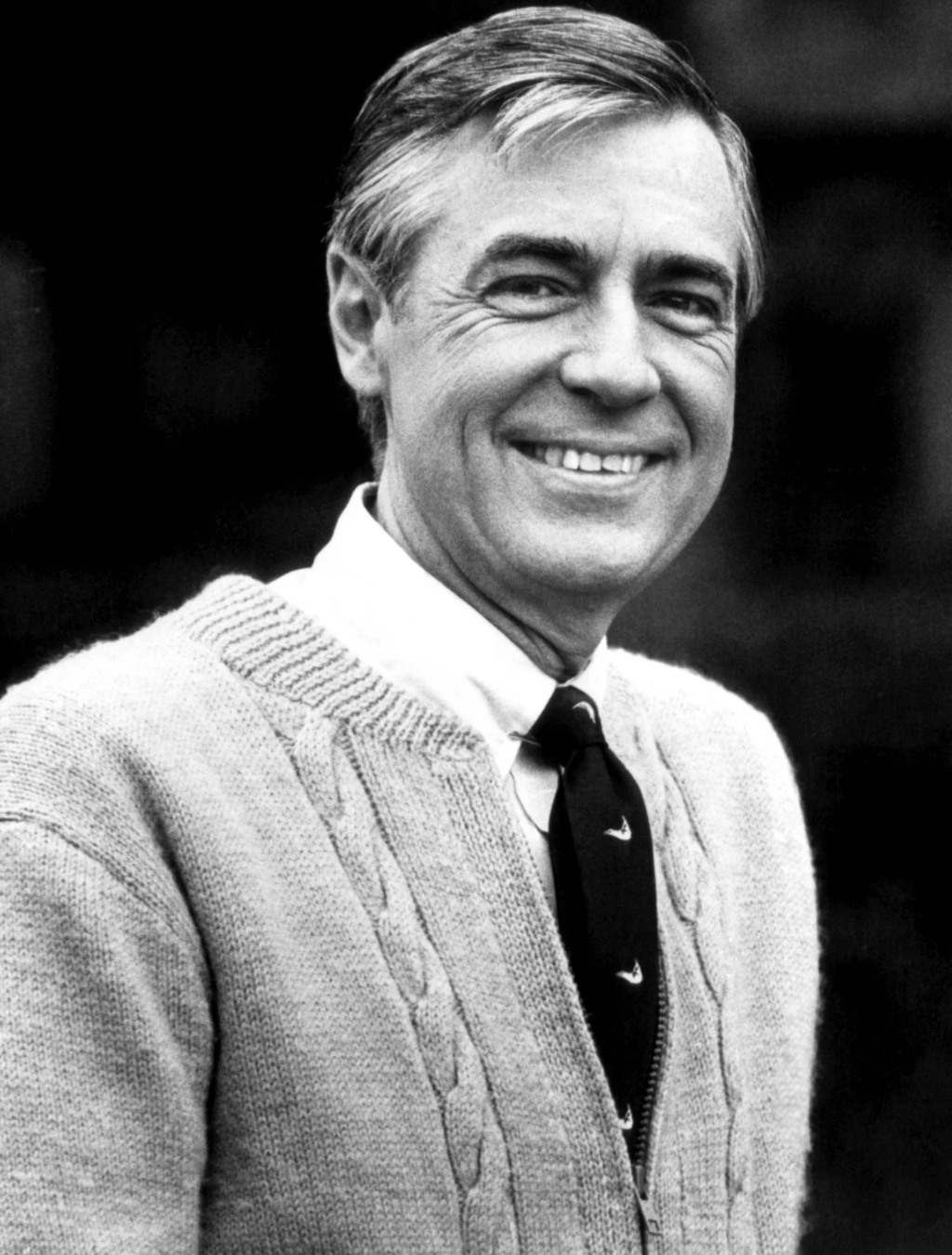
When life feels heavy, many of us still find ourselves wishing Fred Rogers were here to offer his gentle comfort and unshakable optimism. For generations, Mister Rogers’ Neighborhood wasn’t just a children’s show, it was a sanctuary of kindness, curiosity, and calm in a noisy world.
But even longtime fans are learning new details about how Rogers poured care and creativity into every second of the show. Recently, a video by YouTube creator Treehouse Detective revealed a surprising musical secret: the iconic opening theme song was never played the same way twice.
Over 895 episodes spanning more than three decades, the piano introduction and accompaniment to “It’s Such a Good Feeling” was different each time, a subtle reflection of Rogers’ core philosophy that every moment, and every person, is unique.
The Jazz Genius Behind the Music
While Fred Rogers wrote the song and lyrics himself, the piano magic came from Johnny Costa, a world-class jazz pianist whom Rogers handpicked as the show’s musical director. Costa played live during filming, an almost unheard-of approach for children’s television.
Rogers gave Costa creative freedom to interpret the theme song and background music however he liked. The result? A new, improvised performance every single time the trolley rolled into the Neighborhood of Make-Believe.
“Music is rock bottom for Johnny and me,” Rogers once said. “We communicate on an intuitive substratum that would not be possible if we didn’t have a feel for music.”
Costa echoed the sentiment, saying, “There must be some kind of telepathy that we’re not aware of, because somehow I get the message to play or not to play. Some of it’s from experience, but a lot of it is unexplainable.”
Costa’s improvisations became part of the show’s emotional DNA. His jazz trio performed live in the studio for 25 years, providing warmth, humor, and gentle tension exactly when Rogers needed it, without a single scripted cue.
Music, Humanity, and a Timeless Friendship
The collaboration between Rogers and Costa was as genuine as the friendship they portrayed on screen. Their partnership reflected Rogers’ belief that children deserve real art, real music, and real emotion, not watered-down entertainment.
Fans reacting to the Treehouse Detective video flooded the comments with emotion and gratitude:
“We seriously didn’t deserve Mister Rogers. He gave Costa the space to share his talent and make masterpieces.”
“Mr. Rogers treated every child like they were on their way to becoming a sophisticated adult. That’s why he brought in a jazz genius.”
“He was my safe haven growing up. When I met him as an adult, he was exactly the same kind, gentle man.”
One commenter added that Rogers began describing everything he did on the show after receiving a letter from a blind girl who said she wished she could see what was happening. That small act of inclusion, like Costa’s improvisations, embodied Rogers’ lifelong philosophy: love is found in the details.
Why This Still Matters
Decades later, Mister Rogers’ Neighborhood remains more than nostalgia, it’s a blueprint for empathy and creativity. Every cardigan change, every piano flourish, was a quiet reminder that even simple acts can be done with heart.
In an age of fast content and fleeting attention, the partnership between Rogers and Costa feels revolutionary, a musician and a minister of kindness, proving that art and compassion are inseparable.
As one commenter beautifully put it:
“No matter how many new things we learn about Mr. Rogers, he truly remains the best of us.”
Featured image from: Walt Seng; Distributed by PBS, Public domain, via Wikimedia Commons